
Adenomyosis symptoms: Understanding Painful, Heavy Periods
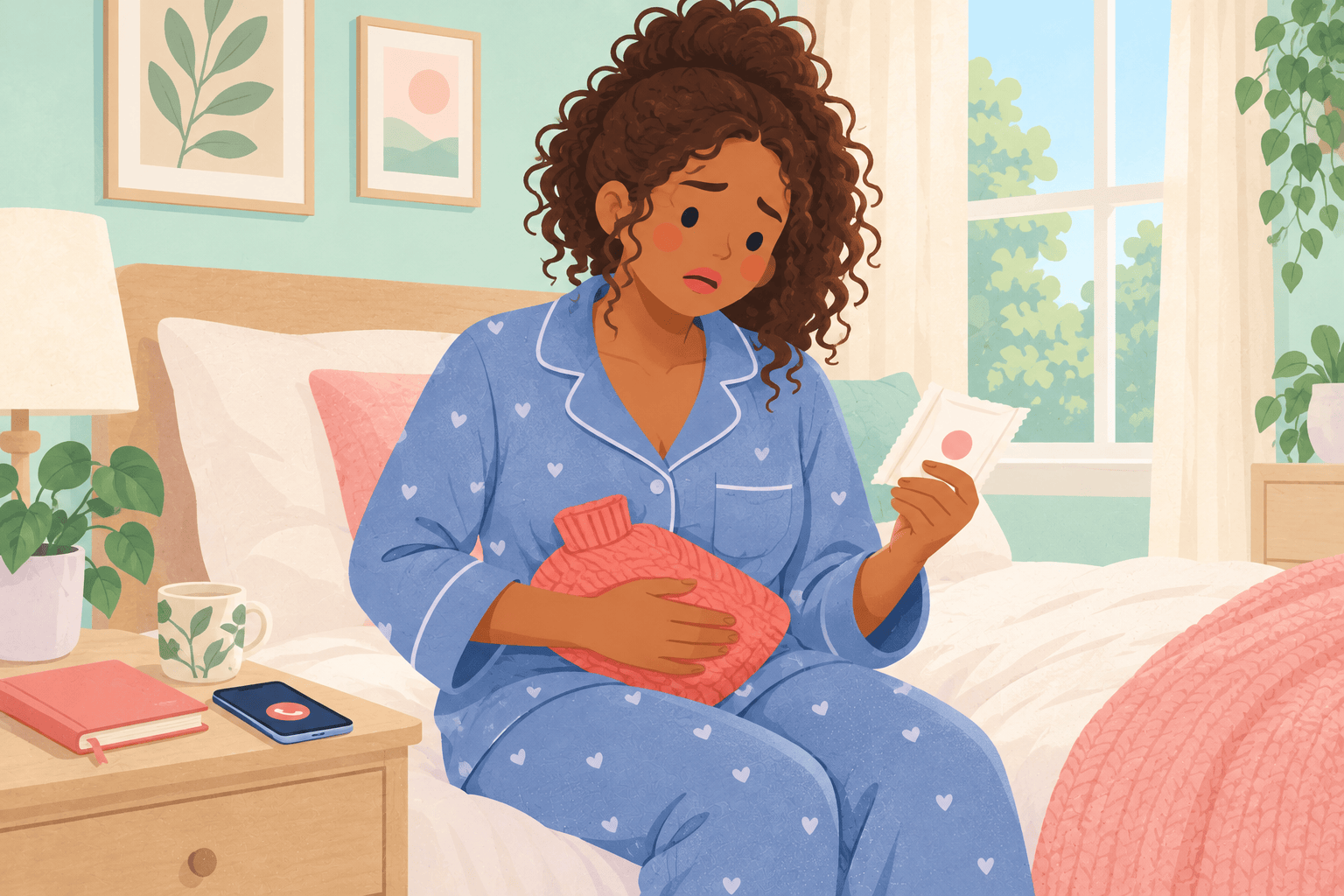
Adenomyosis involves tissue from the uterine lining within the muscular wall of the uterus. It can cause heavy bleeding, painful periods, and a feeling of pelvic heaviness. Some people have mild symptoms or none at all.
The pattern is not specific enough to diagnose yourself. Fibroids, endometriosis, and other conditions can cause similar concerns.
Notice more than the days of bleeding
Period pain may be severe enough to interrupt normal activities. Pelvic aching, bloating, fullness, or discomfort during sex can also occur outside the period itself.
Describe when symptoms begin and end, whether they are changing, and what you avoid because of them. Include bleeding between periods or after sex rather than assuming those episodes are part of the same condition.
Adenomyosis is often recognized in adults over 30, but younger people can be affected. Age or a history of childbirth cannot establish or rule out the diagnosis.
Explain the effect of heavy bleeding
Tell the clinician about flooding, prolonged bleeding, repeated changes of protection, or disruption to sleep and work. Heavy bleeding can lead to anemia, which may cause tiredness and breathlessness.
A blood count can assess that effect while the cause is investigated. You do not need to wait until symptoms become extreme or produce an exact estimate of blood loss before asking for help.
Let imaging inform the assessment
A clinician may discuss an examination and ultrasound, with MRI in selected circumstances. The diagnosis guide explains how those tests fit together and why a sample from the uterine lining is not a simple test for adenomyosis in the muscle wall.
The comparison with endometriosis explains the difference in where the tissue is found. The conditions can coexist, so one finding may not account for every symptom.
Seek care when symptoms change or disrupt life
Arrange assessment for persistent heavy or painful periods, pain during sex, or ongoing bloating. Treatment can address bleeding and pain; a diagnosis does not mean surgery is the only option.
New severe or worsening pelvic pain, fainting, breathing difficulty, or heavy vaginal bleeding with pelvic pain needs emergency assessment. Pelvic pain with fever, vomiting, or possible pregnancy needs urgent advice.
For recurring symptoms, agree on how to judge whether treatment is helping and when to return. The aim is to improve daily function and comfort, not simply attach a name to the problem.
References

Lifeing Editorial
Stories for a little more understanding, a little more reassurance, and the everyday moments in between.
Related posts


Adenomyosis treatment: Options for Bleeding and Pain