
Chickenpox in Young Children: When to Seek Advice
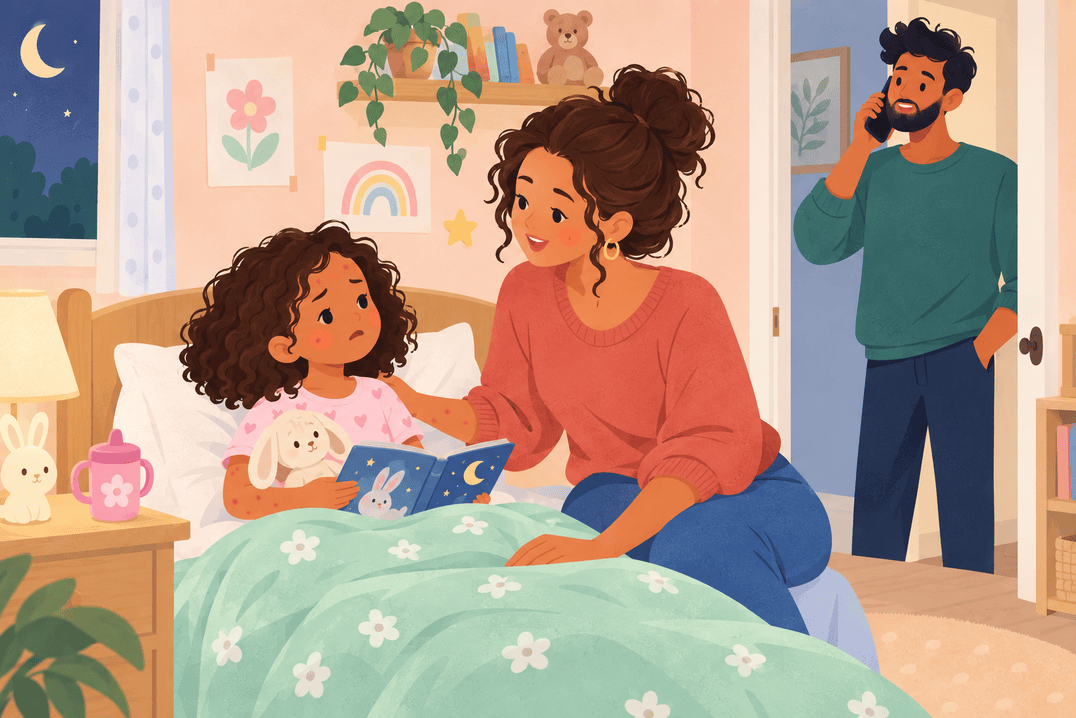
Chickenpox can cause itchy spots that develop into blisters and then crusts. New spots may appear while older ones are already healing. Many children recover with comfort care, but a young baby’s age, their health and any vulnerable household contacts change the advice.
Call your clinician if you are unsure whether a rash is chickenpox. Tell the clinic before arriving so they can reduce exposure for other patients. A suspected contagious illness should never delay emergency care for a seriously unwell child.
Ask early about babies and vulnerable contacts
A newborn who may have chickenpox, or has been near someone with it, needs urgent medical advice even before a rash develops. For any baby under one year with suspected chickenpox, contact their clinician promptly rather than assuming that ordinary childhood advice is enough.
Get urgent advice after exposure if your child has a weakened immune system. A pregnant person or someone with a weakened immune system who has been exposed should also contact their own clinician promptly. Mention the date of contact, previous chickenpox or vaccination if known, and medicines that affect immunity.
Some people benefit from preventive treatment after exposure or early treatment once symptoms start. The timing matters, so do not wait for a routine appointment or borrow antiviral medicine. The clinician will decide what is appropriate for the individual situation.
Keep itching and discomfort manageable
Use loose clothing and gently pat the skin dry after washing. Keep nails short and discourage scratching without scolding a child who is uncomfortable. Avoid picking crusts or deliberately breaking blisters.
Ask a pharmacist about a cooling preparation or an antihistamine suitable for your child’s age. Do not assume a product marketed for adults is safe for a baby. If pain relief is needed, check the correct product and dose with a pharmacist or clinician.
Do not give ibuprofen for chickenpox unless a doctor specifically advises it, because of the association with serious skin infection. Do not give aspirin to children unless prescribed. Keep a written record of medicines so different caregivers do not accidentally repeat a dose.
Watch drinking and changes in the skin
Mouth sores can make feeds uncomfortable. Continue breast milk or correctly prepared formula for a baby, and offer suitable fluids regularly to an older child. Seek urgent advice for reduced drinking, fewer wet nappies or other dehydration signs.
Skin that becomes increasingly hot, swollen, painful or filled with pus needs urgent assessment. The colour change may be harder to see on brown or black skin. Also get help for worsening fever, repeated vomiting, severe pain or a child whose behaviour is concerning.
Call your local emergency service for breathing difficulty, difficulty waking, a seizure, blue or grey colouring, or a rash that does not fade under pressure. A baby under three months with a temperature of 38°C or higher needs immediate medical assessment, whatever the suspected cause.
Reduce spread and check the return plan
Keep your child away from newborns, pregnant people and people with weakened immunity. Chickenpox can spread before the rash is recognised and until the blisters have crusted. Let relevant contacts know about the illness so they can seek individual advice when needed.
In England, plan for at least five days away from nursery after the rash first appears, and wait until all spots have formed crusts. Do not treat the fifth day as automatic clearance if new wet blisters remain. Follow local public health guidance and any extra instructions from your clinician or nursery. The nursery illness guide helps separate that rule from how well your child feels.
Ask your healthcare team about the chickenpox vaccination programme where you live. Eligibility and catch up arrangements vary, so bring the child’s records to vaccination appointments instead of relying on an old schedule online.
References
- NHS: Chickenpox (opens in a new tab)
- CDC: Chickenpox treatment and when to seek care (opens in a new tab)
- NHS: Medicines for babies and children (opens in a new tab)
- NHS: When to get urgent medical help for babies and children under five (opens in a new tab)
- NHS: Dehydration (opens in a new tab)
- UK Health Security Agency: Public health exclusion periods in children’s settings (opens in a new tab)

Lifeing Editorial
Stories for a little more understanding, a little more reassurance, and the everyday moments in between.
Related posts
Choosing Childcare: Questions About Safety, Feeding and Communication