
Constipation after childbirth: Bowel Care After Vaginal or Cesarean Birth
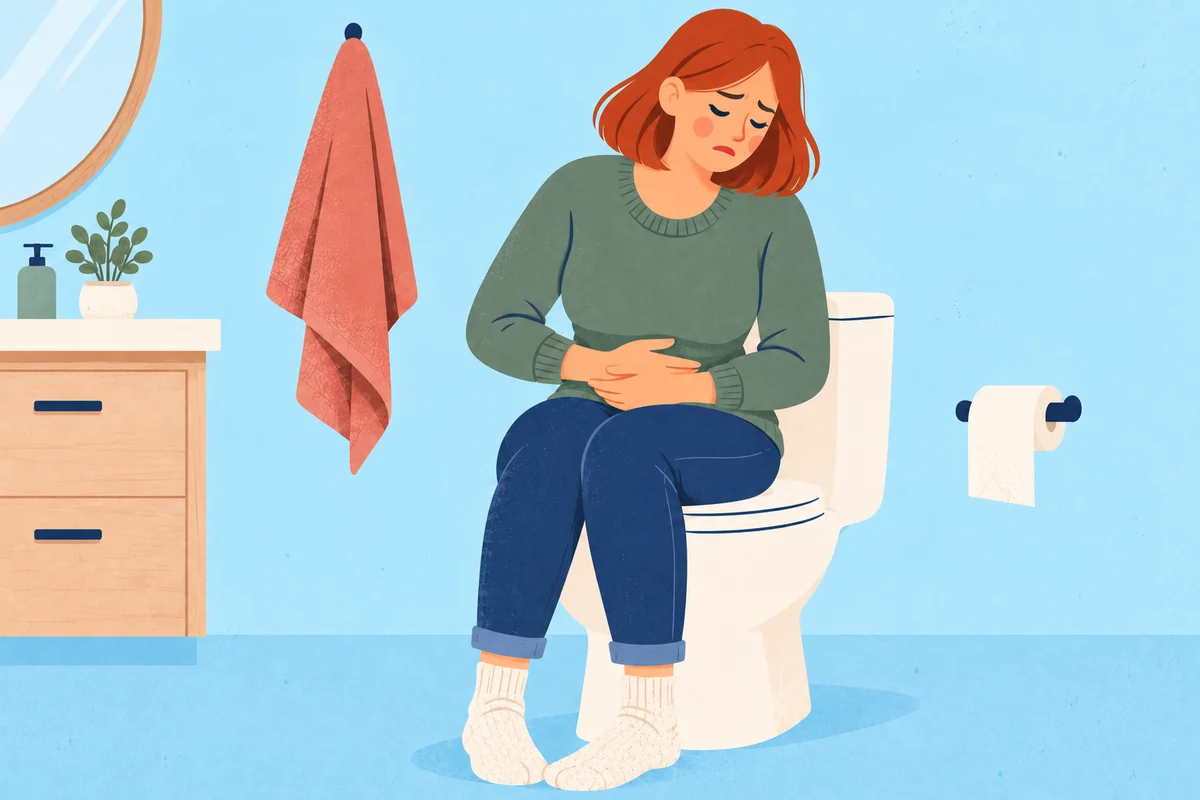
Constipation can make recovery uncomfortable after either vaginal or caesarean birth, especially when you are sore and moving cautiously. A change in routine, less activity, reduced fluid intake and some pain medicines can contribute. Tell your maternity team if passing stool is difficult rather than waiting until discomfort becomes severe.
Describe more than the number of days
Constipation can mean hard stool, straining, going less often than usual or feeling that your bowel has not emptied. Write down when you last passed stool, whether you are passing wind and what medicines you take. This gives your clinician a clearer picture than a day count alone.
A few days without a bowel movement can happen after birth, but severe pain or vomiting should not be treated as ordinary constipation. Recovery after abdominal surgery needs attention to the whole pattern of symptoms.
Keep the first steps gentle
Drink regularly and include fibre through foods such as fruit, vegetables and wholegrains, increasing it gradually. Follow any specific dietary or fluid instructions from your own team. You do not need to force a sudden large change in what you eat.
Gentle walking, once your team says you can move safely, can support bowel habits. Our movement after caesarean guide explains how to build activity around recovery. This is not the time to copy vigorous exercise advice intended for people who have not just had surgery.
Make toileting less rushed
Try to respond when you feel the urge to pass stool. Allow enough time and use a stable foot support if it helps you sit with your knees above your hips. Avoid prolonged straining. Arrange for someone to hold your baby so that you can use the bathroom without feeling you must hurry.
If fear of hurting the wound is stopping you from trying, ask your midwife to talk through your concerns. Pain and anxiety about toileting are worth discussing alongside stool consistency.
Include care after a vaginal birth
If you have perineal stitches, an ordinary bowel movement is very unlikely to open a repaired tear. Holding a clean pad gently against the area may make passing stool more comfortable. Avoid straining and ask for help if fear of pain is making you delay going to the toilet.
After a deeper tear, you may already have a prescribed laxative and specialist follow up plan. Follow those instructions rather than changing treatment yourself. Tell your clinician about difficulty controlling wind or stool as well as constipation. Our perineal recovery guide explains why those symptoms need attention.
Ask about medicines
Opioid pain medicines can cause constipation, and a laxative may be offered alongside them. Ask which treatment fits your symptoms, breastfeeding and other medicines, how to take it and when to seek review. Do not stop prescribed pain relief or keep adding laxatives without advice.
The caesarean pain relief guide can help you prepare that conversation. Mention any bowel condition and whether a prescribed laxative has helped.
Recognise symptoms that need assessment
Seek urgent medical advice for worsening abdominal pain, persistent constipation despite treatment or blood in your stool. Get emergency assessment for sudden or severe abdominal pain, or abdominal pain with inability to pass stool or wind. Vomiting and an increasingly swollen abdomen also need urgent assessment after surgery. Do not simply increase fibre or laxatives while waiting for serious symptoms to settle.
References

Lifeing Editorial
Stories for a little more understanding, a little more reassurance, and the everyday moments in between.
Related posts
Constipation in Babies: Stool Texture, Feeding and When to Get Help