
Dizziness while pregnant: Common Triggers and Warning Signs
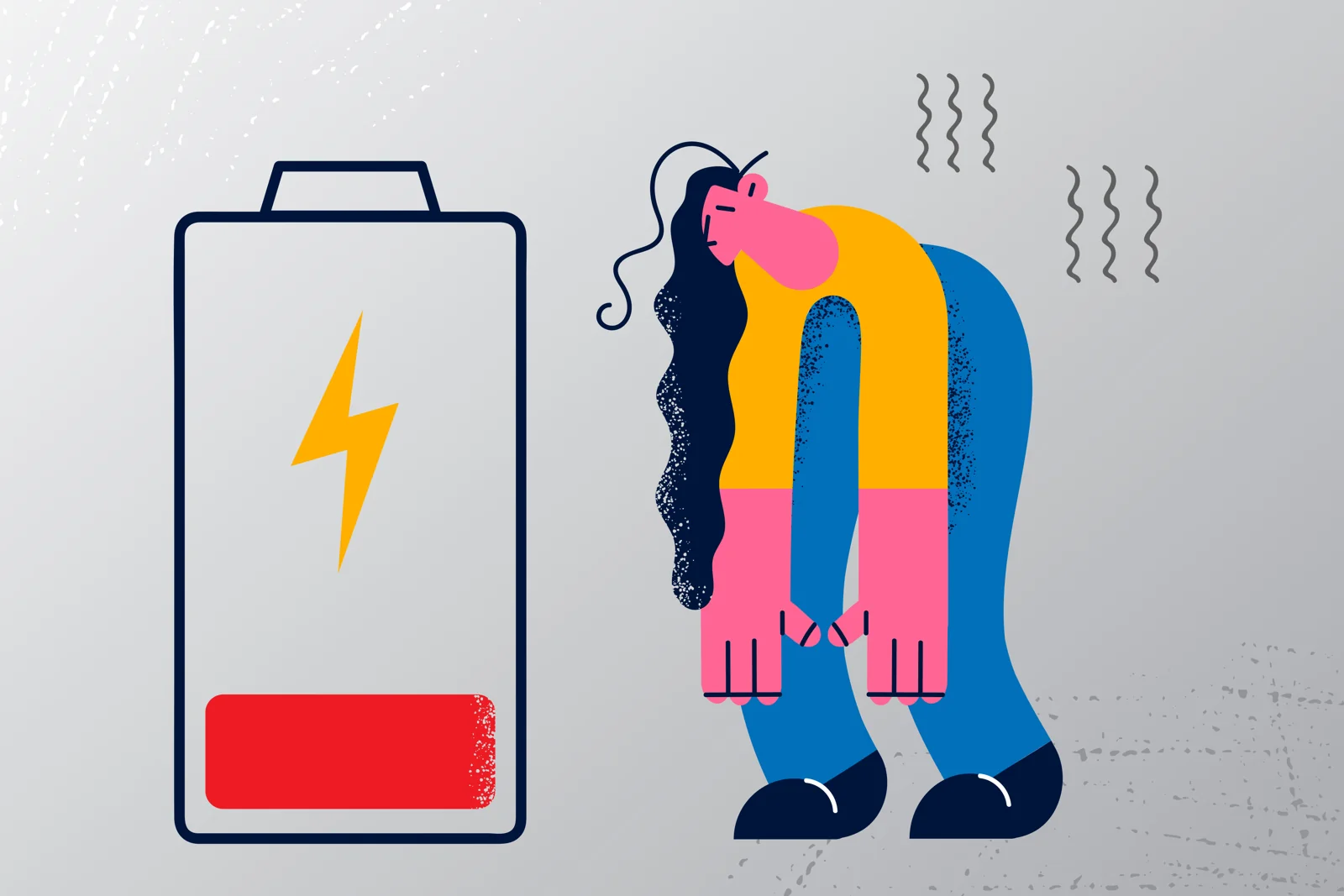
Dizziness can feel like lightheadedness, unsteadiness, or a sense that you may faint. Hormonal and circulation changes can contribute during pregnancy, but the description covers several different experiences. Repeated episodes or dizziness with other symptoms needs medical advice.
Get into a safe position
If you feel faint while standing, sit down promptly. If the feeling does not pass, lie on your side. If you become faint while lying on your back, turn onto your side. Avoid trying to walk somewhere alone while you feel as though you might collapse.
Standing up more slowly may help when episodes follow getting out of a chair or bath. Think about stable support and avoid rushing.
Describe the circumstances
Tell your clinician whether it feels like the room is spinning or more like you may black out. Mention how long it lasts, whether you actually lost consciousness, and whether it happens with standing, heat, exertion, or missed meals.
Include vomiting, poor fluid intake, medicines, bleeding, palpitations, or headaches. Our guide to dehydration with morning sickness can help if sickness is limiting drinking.
Know when dizziness changes the urgency
Severe abdominal pain with dizziness or fainting, especially in early pregnancy, needs emergency assessment. See pain on one side in pregnancy for related warning signs.
Chest pain, severe breathing difficulty, confusion, or new weakness also needs emergency care. Call your local emergency number if someone who has fainted is not breathing, cannot be woken within a minute, has not fully recovered, has a seizure, or fainted during exercise or while lying down. Serious injury or palpitations with fainting also needs emergency help. Do not wait a minute if they are not breathing normally; follow the emergency dispatcher’s instructions.
After any fainting episode, get medical advice even if you recovered fully. Do not assume it was harmless.
Review recurring episodes
If faintness keeps returning, ask whether you need examination, blood pressure assessment, blood tests, or another review. Do not start iron or change prescribed medicines simply because you suspect a cause.
Until you have advice, avoid driving or activities where another episode could cause injury. A useful care plan should address both the cause and how you can safely manage your day.
References

Lifeing Editorial
Stories for a little more understanding, a little more reassurance, and the everyday moments in between.
Related posts
Dry days and fertility: Why Missing Mucus Is Not a Diagnosis