
PMDD symptoms: When Premenstrual Mood Changes Become Severe
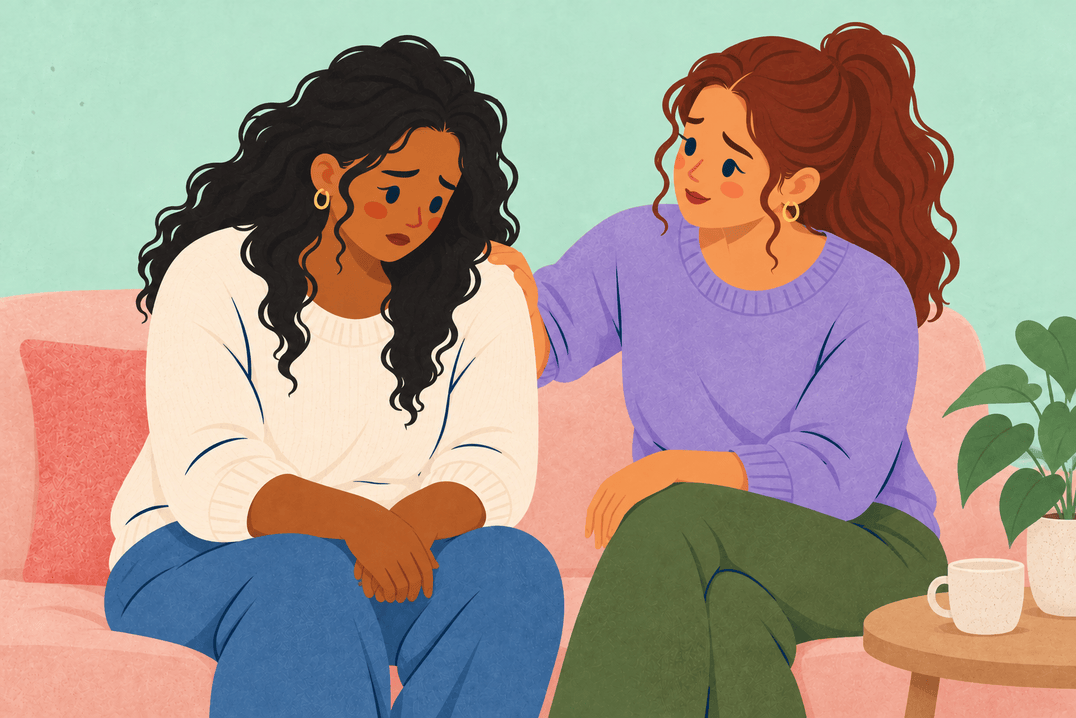
Premenstrual dysphoric disorder, or PMDD, involves severe emotional and sometimes physical symptoms linked to the menstrual cycle. It can affect relationships, concentration, and the ability to manage everyday tasks. These difficulties deserve assessment rather than being dismissed as an ordinary bad mood.
Look at severity and timing together
Possible symptoms include intense irritability, anxiety, sadness, hopelessness, or rapid emotional changes. You may lose interest in usual activities, struggle to concentrate, feel exhausted or overwhelmed, or notice changes in sleep and appetite. Physical discomfort can accompany the emotional symptoms.
The characteristic pattern worsens before menstruation and improves after it begins, with symptoms becoming minimal or absent afterward. Not every recurring low mood is PMDD. Our diagnosis guide explains why clinicians look at the full cycle and consider other explanations.
Describe what becomes difficult
A symptom list alone misses some of the most useful information. Record whether you could work, care for yourself, take part in a conversation, or enjoy an activity that normally matters to you.
For example, “I could not concentrate long enough to finish a familiar task” describes a change more clearly than “I felt hormonal.” Include how you feel between difficult days too. Depression or anxiety that continues throughout the month may worsen before a period and needs attention in its own right.
Arrange an assessment
A clinician will ask about symptoms, their timing, other health conditions, and medicines. Daily records across at least two symptomatic cycles can help confirm the pattern, but you should seek help before that record is complete if symptoms are severe.
There is no single hormone test that confirms PMDD. Treatment may include psychological care, medicines, and practical support. The treatment overview offers questions to bring to an appointment without choosing a medicine for you.
Make safety the immediate priority
If you are having thoughts of suicide or harming yourself, seek crisis or urgent mental health support now. If you may act on those thoughts or cannot stay safe, contact emergency services or go to an emergency department.
Tell someone you trust what is happening if you can. Do not wait for bleeding to start or for symptoms to follow their usual pattern before getting help.
References

Lifeing Editorial
Stories for a little more understanding, a little more reassurance, and the everyday moments in between.
Related posts


PMDD treatment: Options to Discuss With Your Clinician