
Pregnancy nausea without vomiting: Finding Ways to Eat and Drink
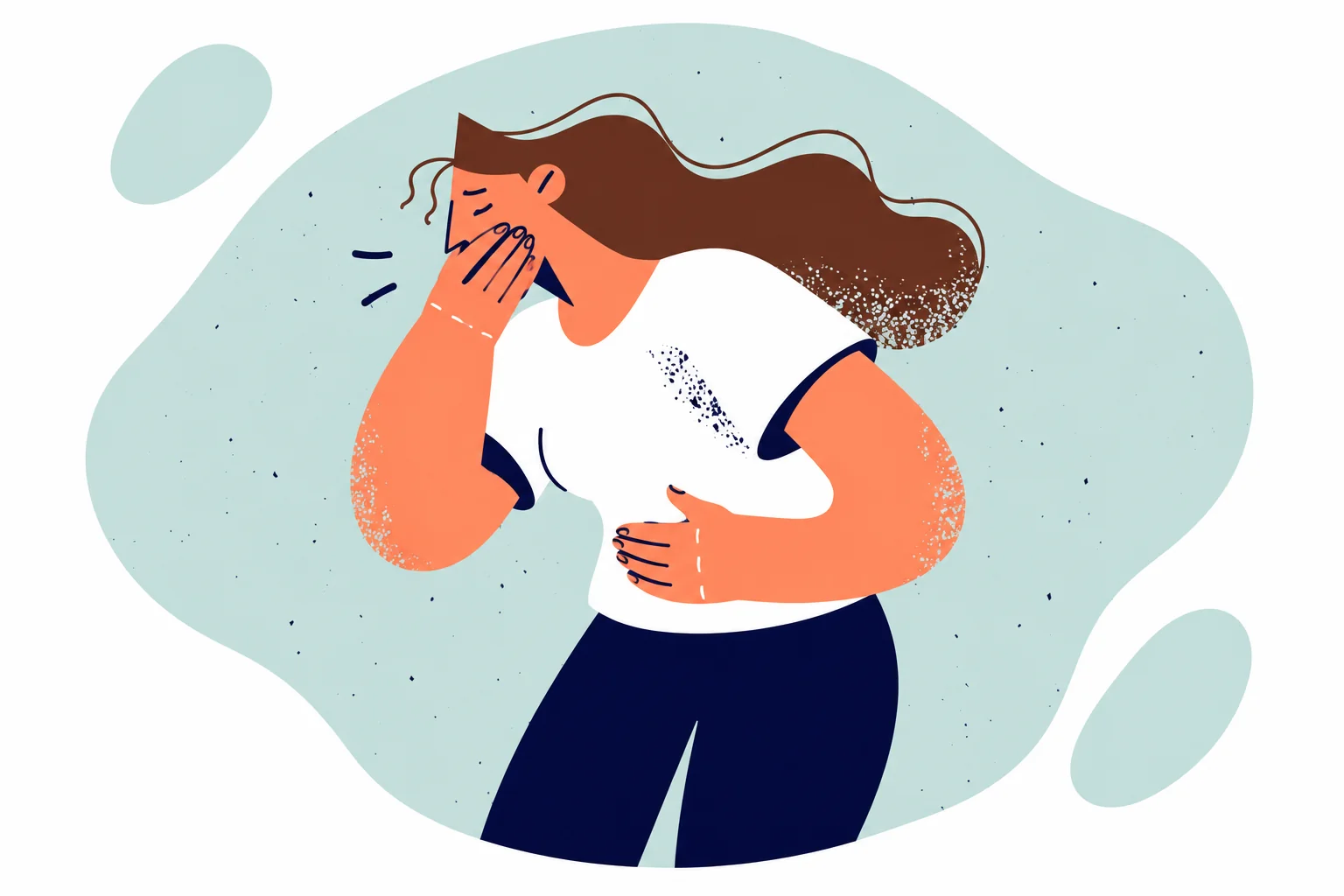
Pregnancy nausea does not have to end in vomiting to be difficult. Feeling sick through meals, commuting, or the working day can leave you eating less and struggling to concentrate. The effect on your life is a useful reason to discuss treatment, even if you have not been sick.
Start with what is tolerable
Small amounts of plain food may be easier than a full meal. If cooking smells trigger nausea, try an appropriately stored cold option or ask someone else to prepare food. Sip drinks regularly rather than forcing a large glass at once.
Treat these as experiments, not a set of rules you must make work. What feels manageable can change from one day to the next. Our broader guide to pregnancy nausea relief covers other approaches.
Describe intake rather than just vomiting
When you speak to a clinician, explain which foods and drinks you have managed and how nausea affects ordinary tasks. Saying “I have not vomited” can leave out the most important part of your experience.
A short note about meals, fluids, and times symptoms are worse may help you explain the pattern. There is no need to keep a detailed diary if recording everything makes you feel worse.
Ask for help before your options become very limited
Persistent nausea that prevents normal eating or drinking deserves review. A clinician can discuss treatment and consider whether anything else needs assessment. See the guide to medicines for pregnancy nausea for practical questions.
Seek prompt advice if you are losing weight, passing very little urine, feeling faint, or unable to drink enough. Contact your maternity service immediately for abdominal pain with vaginal bleeding. Severe abdominal pain, collapse or confusion needs emergency assessment. The absence of vomiting cannot rule out dehydration or another problem.
Make the day smaller if needed
Arrange a simple food option, water within reach, and a break from triggering smells. You do not need to manage a perfect diet while feeling unwell. Support and treatment can help you regain a more varied routine.
References

Lifeing Editorial
Stories for a little more understanding, a little more reassurance, and the everyday moments in between.
Related posts

Pregnancy stretch marks: Realistic Expectations for Skin Care