
Week 4 of pregnancy: A Missed Period and the First Testing Decisions
At around four weeks, a missed period may be the first reason you consider a pregnancy test. Some people feel different already, while others notice very little. The week is counted from the last period, so it does not represent four weeks of development since fertilization.
Testing is more useful than comparing symptoms
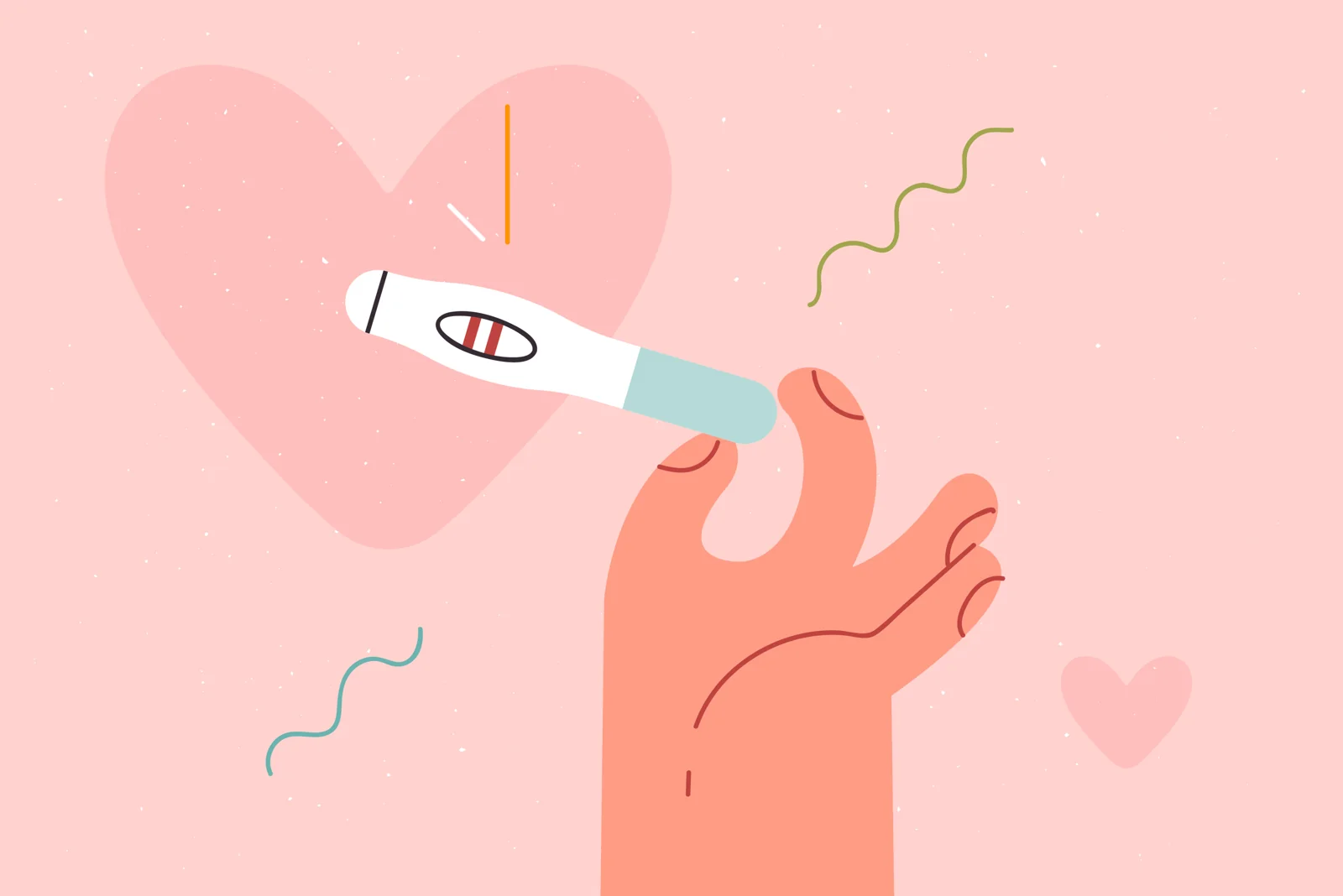
Breast tenderness, tiredness, nausea or a different reaction to smells can occur, but none is required. A symptom list cannot confirm a pregnancy. Use a home test according to its instructions, including the time allowed before reading the result.
Most tests can be used from the first day of a missed period. If your cycle timing is unclear, wait at least 21 days after the last unprotected sex. A negative result taken early is less reliable than a positive result used correctly. The testing guide explains when repeating a test may help.
What is developing around this stage
The embryo is developing within the uterus, surrounded by an early fluid filled sac. The yolk sac provides early nourishment while structures that will support the pregnancy continue to form. These are broad developmental descriptions, not milestones you need to verify with a home device.
You may not look pregnant. There is no need to use photographs of other people’s abdomens as a check on your progress. A weekly entry is there to orient you, not to set an appearance you must match.
Take the first practical steps
After a positive result, contact maternity care to begin arranging appointments. The first trimester checklist can help you keep the immediate tasks manageable.
Start folic acid if you have not already: the usual UK dose is 400 micrograms daily through the first 12 weeks, with a higher dose prescribed for some people. Ask your clinician or pharmacist about your own supplement needs.
Write down the test date, the first day of your last period if known and the questions that matter most to you. You can decide separately when and with whom to share the news.
Do not dismiss pain or bleeding
Seek medical advice promptly for bleeding or abdominal pain, especially pain on one side. Shoulder tip pain needs urgent advice. Sudden severe abdominal pain, marked dizziness or fainting needs emergency assessment. These symptoms can occur with an ectopic pregnancy, even before a positive test, so do not wait for another test to seek help.
References

Lifeing Editorial
Stories for a little more understanding, a little more reassurance, and the everyday moments in between.
Related posts

Week 40 of pregnancy: Your Due Date and the Next Care Decisions