
Scented intimate products: How to Approach Irritation and Hygiene
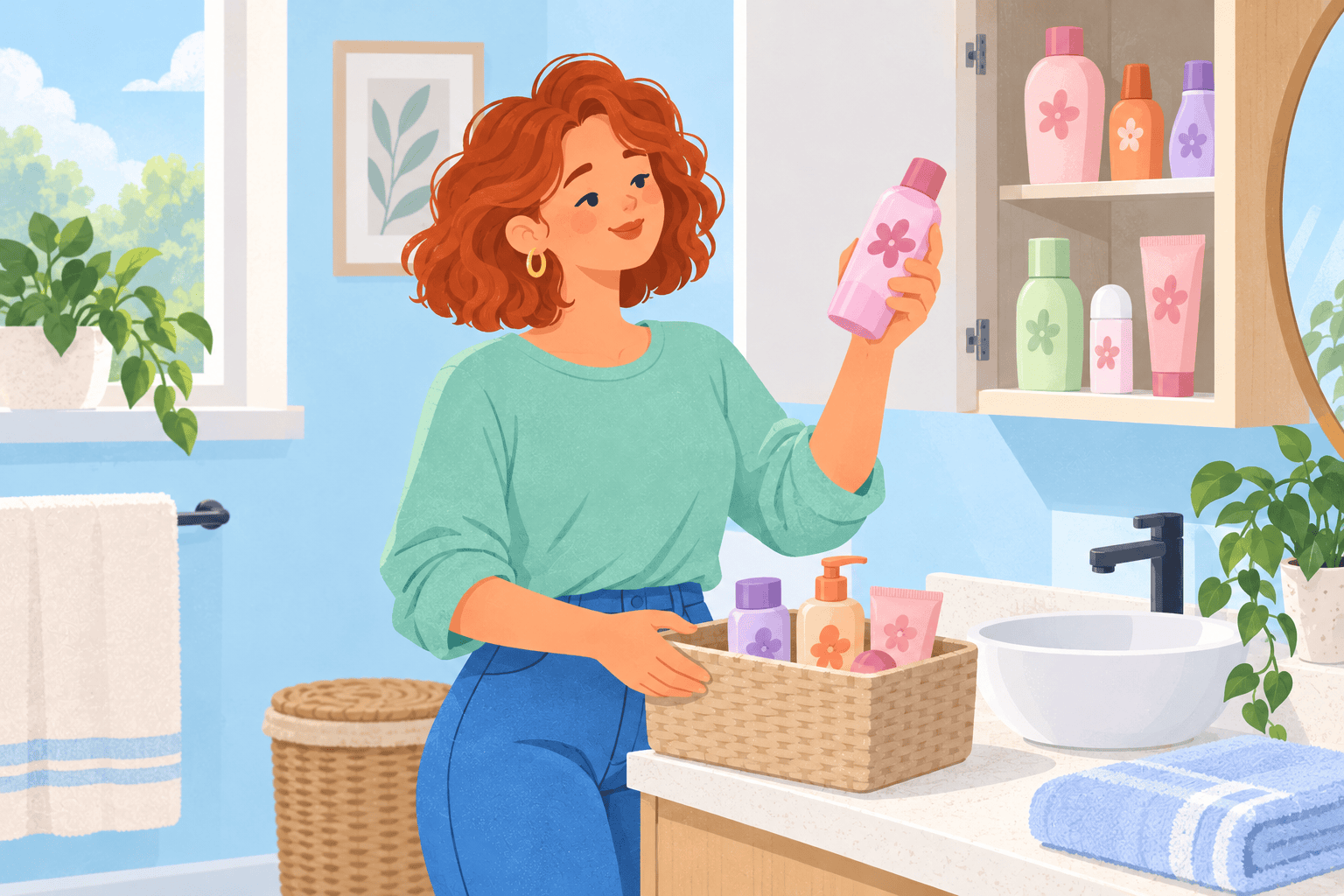
Scented intimate washes, deodorants, and wipes are not necessary for vaginal health. The vagina clears fluid naturally, and sensitive external skin may become irritated by products marketed as refreshing or cleansing. A mild natural scent is not a hygiene failure.
Separate external care from internal cleaning
The vulva is the external genital area; the vagina is inside. Gentle washing of the outside is different from putting liquid or cleansing products into the vagina. Internal washing, or douching, can disturb the vaginal environment.
The douching guide explains why more cleaning does not mean better protection. There is no need to remove normal discharge or make the area smell like a fragranced product.
Notice changes without assuming a cause
If itching, burning, or soreness appears after a product, stop that product and describe the sequence to a clinician or pharmacist. Keep the label or ingredient list if possible. A reaction can occur even after you have used something before without difficulty.
Timing may suggest irritation, but it does not prove that a product explains every symptom. An infection or skin condition can coexist, and persistent symptoms need assessment. Our vaginal itching guide describes other possibilities.
Simplify instead of layering products
Avoid switching rapidly between fragranced washes, soothing creams, deodorants, and antiseptics. Our home remedy guide explains why natural ingredients also need caution. It becomes harder to identify what helps or worsens symptoms when several products change together.
For ordinary care, wash the external area gently with warm water. If the skin remains dry or irritated, ask about an appropriate bland cleanser or emollient rather than choosing a medicated product from its marketing claim. Even mild soap can irritate some people.
Know when an appointment matters
Arrange assessment for symptoms that persist, unusual discharge, a new strong odor, sores, or skin changes. Bring information about menstrual products, lubricants, medicines, and treatments as well as washes.
You can tell the clinician exactly what you hoped the product would help with, such as odor after exercise or discomfort during a period. That helps direct the conversation toward the original concern. Avoid douching before the visit or covering a new odor with perfume; identifying the cause is more useful than temporarily hiding it.
References

Lifeing Editorial
Stories for a little more understanding, a little more reassurance, and the everyday moments in between.
Related posts

Sciatica Symptoms in Pregnancy: Questions About Nerve and Back Pain