
Sex after emergency contraception: Planning Continued Protection

An emergency contraceptive pill addresses a previous pregnancy risk. It does not provide ongoing protection for sex later that day or later in the cycle. Ovulation may happen after the pill has delayed it, so a new episode of unprotected sex can create a new risk.
Check which emergency pill you took
After levonorgestrel, regular hormonal contraception can generally be started or resumed immediately. After ulipristal acetate, the usual advice is to wait five days before starting or resuming hormones, because progestogen can reduce its ability to delay ovulation.
Specific clinical circumstances can change the plan. Tell the pharmacist about your previous contraception, missed doses, and any instructions you were already given. Do not resolve conflicting advice by alternating pill types or making your own restart schedule.
Ask when the regular method becomes effective
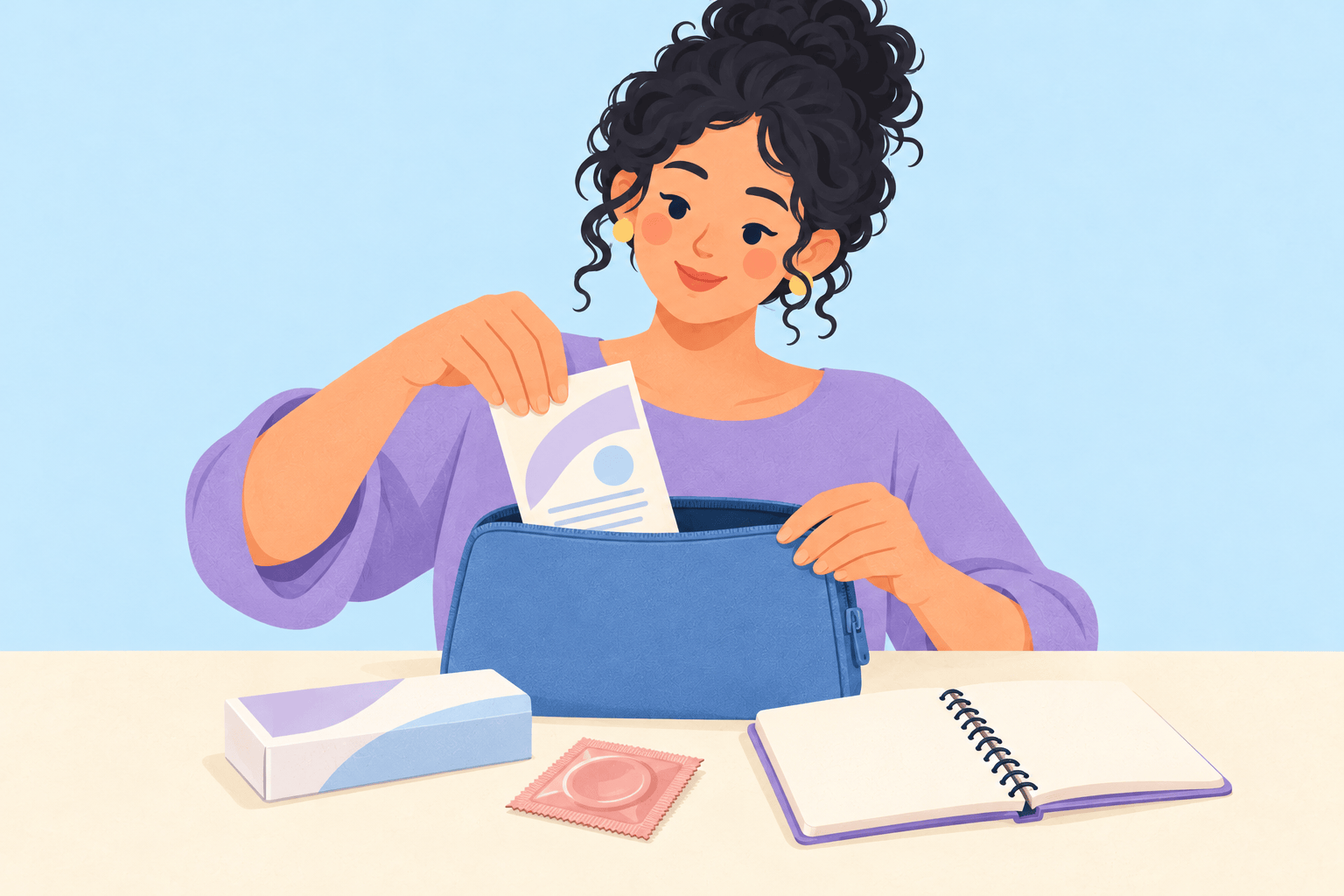
Starting a method and being able to rely on it are not always the same moment. Use condoms or avoid sex that could cause pregnancy during any waiting interval and until your regular method is effective. The additional time depends on the method and product.
Ask for a calendar date or written schedule. The contraceptive method change guide explains why the previous method and recent use matter. Do not stop the extra protection simply because spotting starts.
Act if sex happens again without protection
Contact a pharmacist or clinic promptly and explain both the new episode and the emergency treatment already taken. Another emergency treatment may be appropriate, but recent ulipristal or levonorgestrel affects the choice. Needing advice again is a reason to seek help, not to assume nothing more can be done.
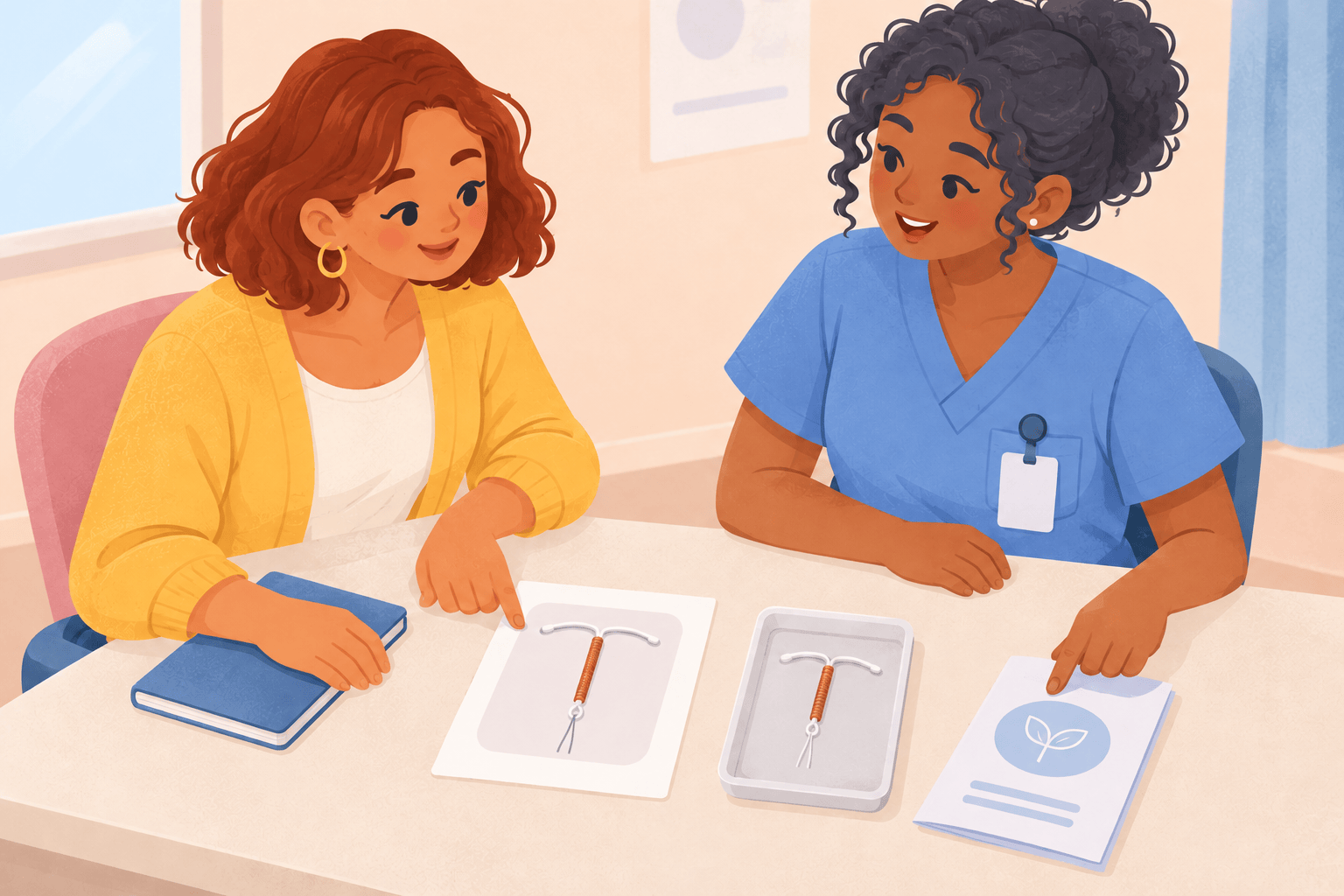
If you had a copper coil fitted for emergency contraception, it provides ongoing pregnancy protection immediately while correctly in place. The emergency copper coil guide covers aftercare. Condoms may still be needed for infection protection.
Keep the follow up test
Plan pregnancy testing at least twenty one days after the latest sex that could have caused pregnancy, following any earlier testing advice from the clinic. A new exposure can mean a new test date. Bleeding after starting hormonal contraception does not necessarily represent a natural period or rule out pregnancy.
References

Lifeing Editorial
Stories for a little more understanding, a little more reassurance, and the everyday moments in between.
Related posts
Sex after ovulation: Understanding the Short Egg Release Window