
Toxic shock syndrome: Warning Signs Every Tampon User Should Know
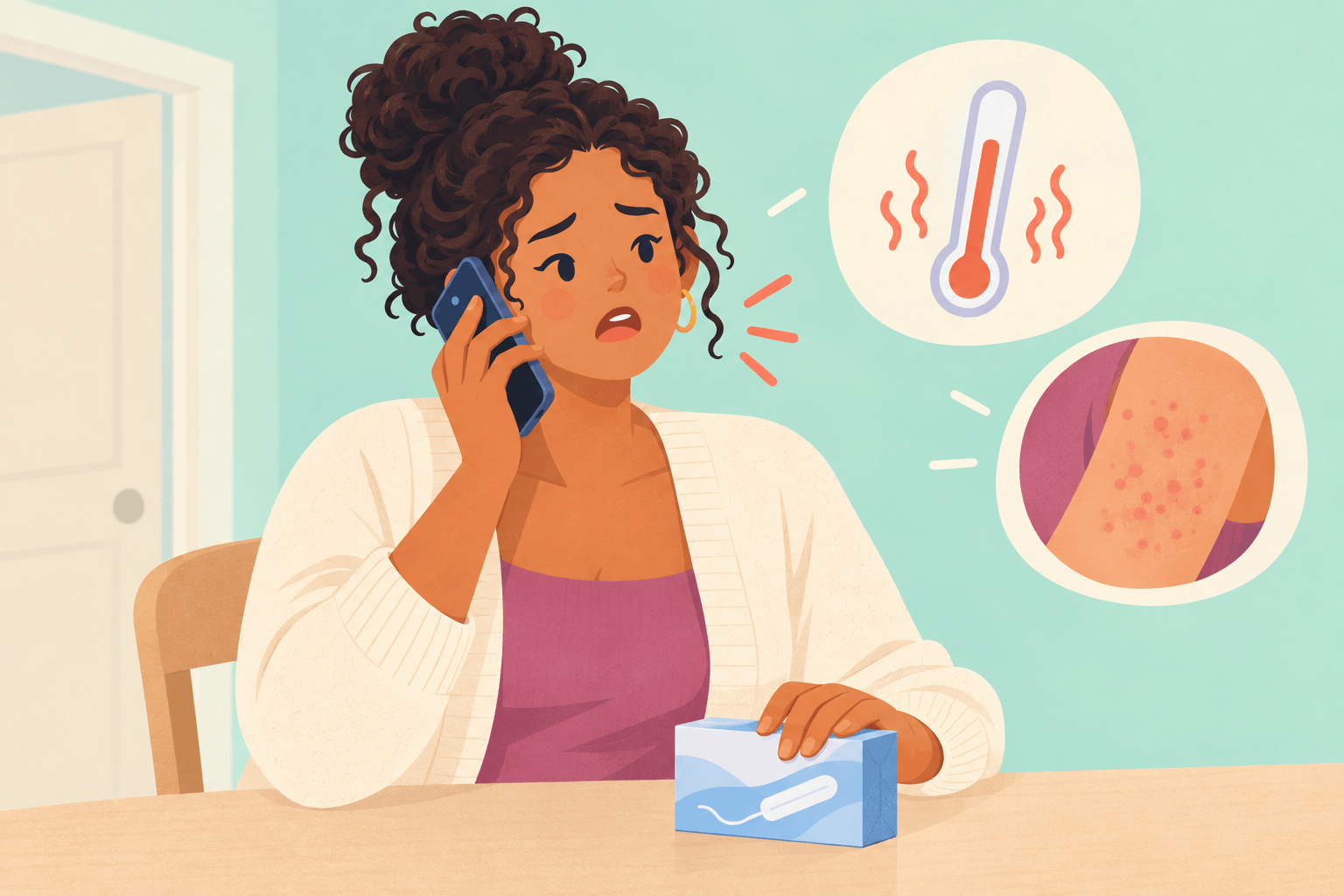
Toxic shock syndrome is rare, but it can become life threatening quickly. If you feel suddenly very unwell while using a tampon or menstrual cup, seek urgent medical help. Remove the product if you can do so easily, but do not delay care while struggling to remove it.
Know the symptoms that need action
Symptoms can include a sudden high temperature, muscle aches, vomiting, diarrhea, dizziness, and a rash. Some people develop redness of the eyes, palms, or soles, or skin that later peels. Not every symptom appears together, and you should not wait for a rash before getting help.
Call your local emergency number for confusion, collapse, breathing difficulty, very fast breathing, or blue, gray, unusually pale, or blotchy skin. A rash that does not fade under pressure or extensive skin peeling also needs emergency assessment. Do not drive yourself if you are faint, confused, or seriously unwell.
If you suspect toxic shock syndrome without those emergency signs, contact an urgent medical service immediately. Do not wait until a routine appointment is available.
Tell the team about product use
Say whether you have used a tampon or cup, approximately when it was inserted, and whether it is still in place. Mention any recent wound, surgery, childbirth, or previous episode of toxic shock syndrome. These details help the team assess the illness; they are not reasons to blame yourself.
If you cannot remove a product, tell the clinician. The forgotten tampon guide explains uncomplicated removal difficulties, but feeling very unwell changes the urgency.
Understand why it happens
Toxic shock syndrome results from toxins produced by certain bacteria. Tampon and cup use are possible associated circumstances, but the illness can also occur with an infected wound or after other events. It is not limited to people who menstruate.
Treatment is given in hospital and may include antibiotics, intravenous fluids, and support for affected organs. Taking out a tampon does not by itself treat an established serious infection.
Reduce risk during future periods
Follow product instructions, wash your hands, and keep track of changing times. Use the lowest tampon absorbency that manages your flow and never leave a tampon in longer than eight hours. Our tampon guide covers overnight planning.
If you have had toxic shock syndrome before, ask your clinician about future product choices because recurrence is possible. An external product may be preferable for you. The purpose of knowing the warning signs is to act promptly when needed, while remembering that this illness is uncommon.
References

Lifeing Editorial
Stories for a little more understanding, a little more reassurance, and the everyday moments in between.
Related posts


Tracking after a disrupted cycle: When to Restart Your Notes