
Vaginal dryness in perimenopause: Treatment Questions to Ask

Vaginal dryness can affect sitting, exercise, intimate contact, or simply how comfortable you feel through the day. It can occur as hormone levels change during perimenopause. You can ask for treatment whether or not you are sexually active.
Describe discomfort without choosing a diagnosis
Tell the clinician where you feel dryness, soreness, itching, or burning and whether it happens all the time or with contact. Include unusual discharge, urinary symptoms, and any bleeding. Irritation and infection can overlap with dryness symptoms, so repeatedly treating presumed thrush may miss the explanation.
Bring the names of products you have tried, including soaps and medicines. It may help to write down what improved symptoms, what made them worse, and what you stopped using.
Distinguish moisture from lubrication
A product designed as a vaginal moisturizer is used according to its instructions for ongoing dryness. A lubricant helps reduce friction during sexual contact. Check compatibility with condoms; oil can damage latex condoms. Avoid fragranced washes, douching, and ordinary body creams inside the vagina.
You do not need to continue painful penetration while searching for a treatment. Explain what feels comfortable and what does not, and choose contact that respects those limits.
Ask about local treatment
Prescribed vaginal estrogen is an option for menopause related symptoms. It acts mainly locally, with a small amount absorbed into the bloodstream. It may be considered even when someone already uses systemic HRT, and it can be combined with a suitable moisturizer or lubricant.
Discuss your medical history, especially breast cancer and any current cancer treatment. Decisions in that situation may need specialist input. Ask how to use the product, when to assess the response, and what to do if symptoms return after stopping.
Bring bleeding into the conversation
Bleeding after sex, between periods, or after menopause needs assessment rather than an assumption that friction explains it. Our perimenopause period guide describes why the timing matters. If you use HRT, also read bleeding on HRT.
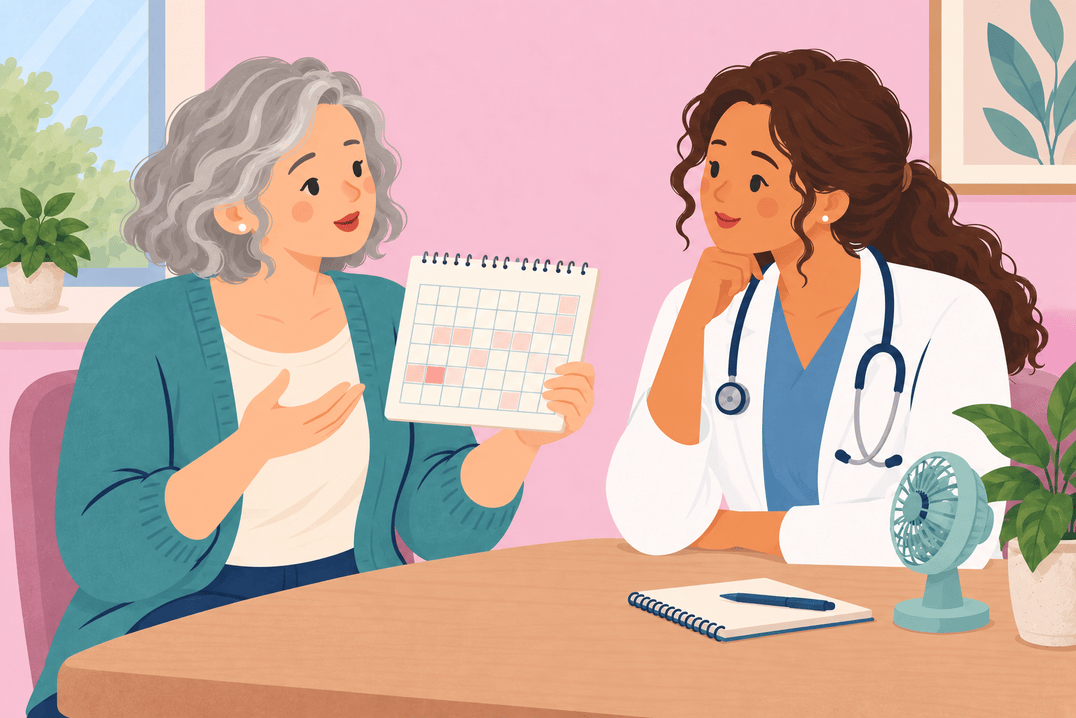
Book a review if symptoms continue despite measures you have tried or affect everyday life. Take your questions in writing if the subject feels awkward; the appointment can start with the words “I have persistent discomfort and would like help.”
References

Lifeing Editorial
Stories for a little more understanding, a little more reassurance, and the everyday moments in between.
Related posts

Vaginal itching: Common Causes Beyond Thrush