
Back pain in pregnancy: Adjusting Movement and Daily Tasks
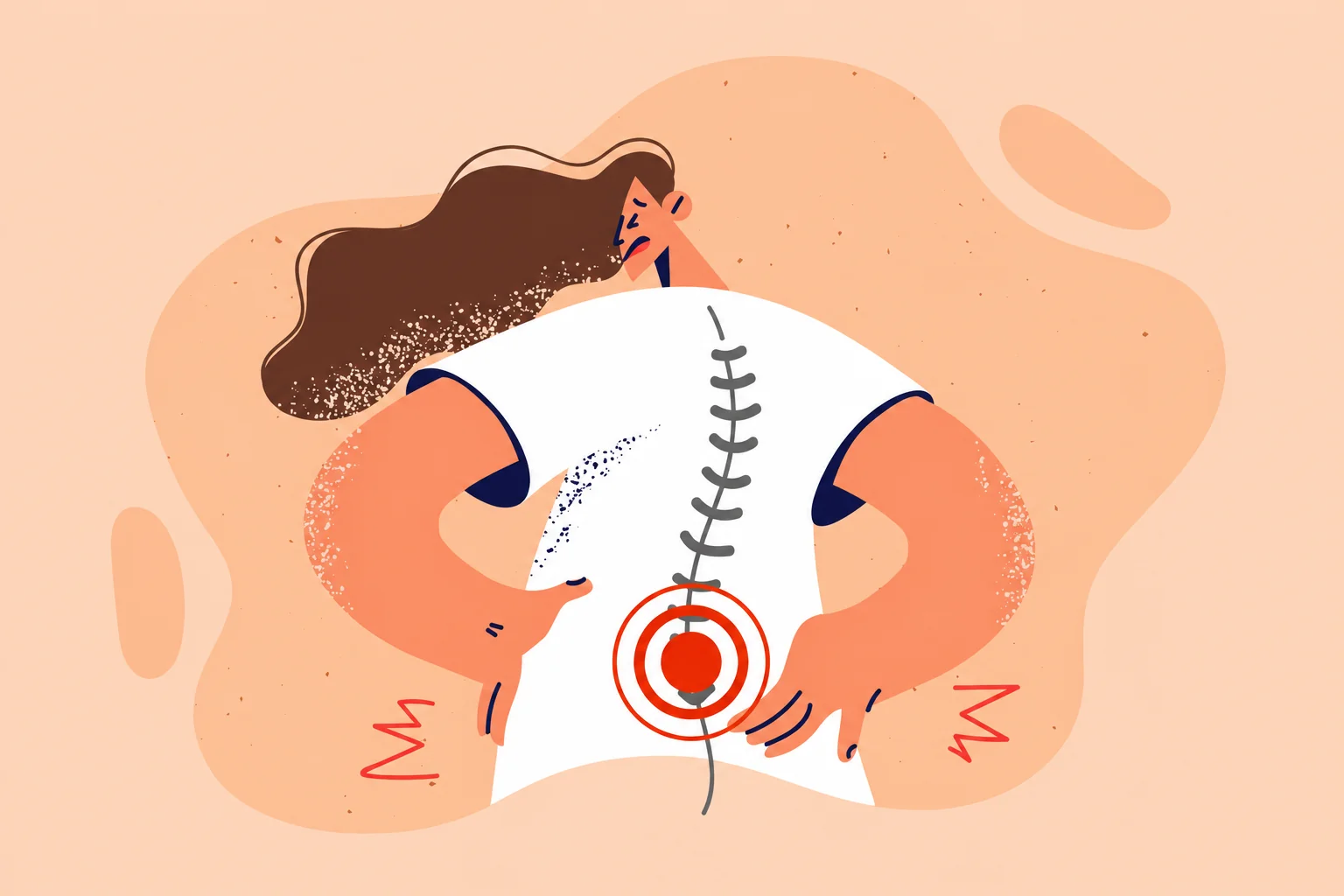
Pregnancy back pain can make ordinary tasks surprisingly demanding. Changes in the tissues supporting your back and pelvis can contribute, but a new pain should still be considered in context. Its location, timing, and accompanying symptoms help your clinician decide what support is appropriate.
Adjust the task that repeatedly hurts
Think about the moments that trigger pain: lifting shopping, reaching into a low cupboard, standing at work, or turning while carrying something. Avoid heavy lifting, keep loads manageable, and move your feet to turn instead of twisting through your back.
Support your lower back when sitting and change position regularly. Ask for help with a specific task rather than waiting until you are exhausted. These changes can make a day easier without requiring you to stop all activity.
Ask about pregnancy physiotherapy
Pain that limits walking, sleep, or daily work deserves review. A physiotherapist familiar with pregnancy can assess movement and suggest suitable exercises or supports. If turning in bed or using stairs is especially painful, also read about pelvic girdle pain.
Bring an example of the activity you want to manage. “I need to get my child into the car” gives the therapist a clear practical goal.
Check pain relief rather than guessing
Tell your pharmacist or clinician that you are pregnant before taking pain medicine. Ask what is suitable for you and how to use it. Existing prescriptions and other health conditions may affect the advice.
Keep new treatment in your pregnancy medical history notes so it is easy to review.
Report warning symptoms promptly
Contact your maternity team urgently for back pain in the second or third trimester, especially with regular tightenings, bleeding, fluid leakage, fever, painful urination, or pain under the ribs. It may need assessment for causes beyond muscle strain.
Loss of sensation in your legs, bottom, or genitals needs emergency assessment. So does new difficulty starting urination, inability to pass urine, or loss of bladder or bowel control with back or leg symptoms. Go to an emergency department or call your local emergency number. Do not wait for a physiotherapy appointment.
References

Lifeing Editorial
Stories for a little more understanding, a little more reassurance, and the everyday moments in between.
Related posts
Bacterial vaginosis: Understanding Symptoms and Treatment Choices