
Pelvic girdle pain: Getting Support for Painful Walking and Turning
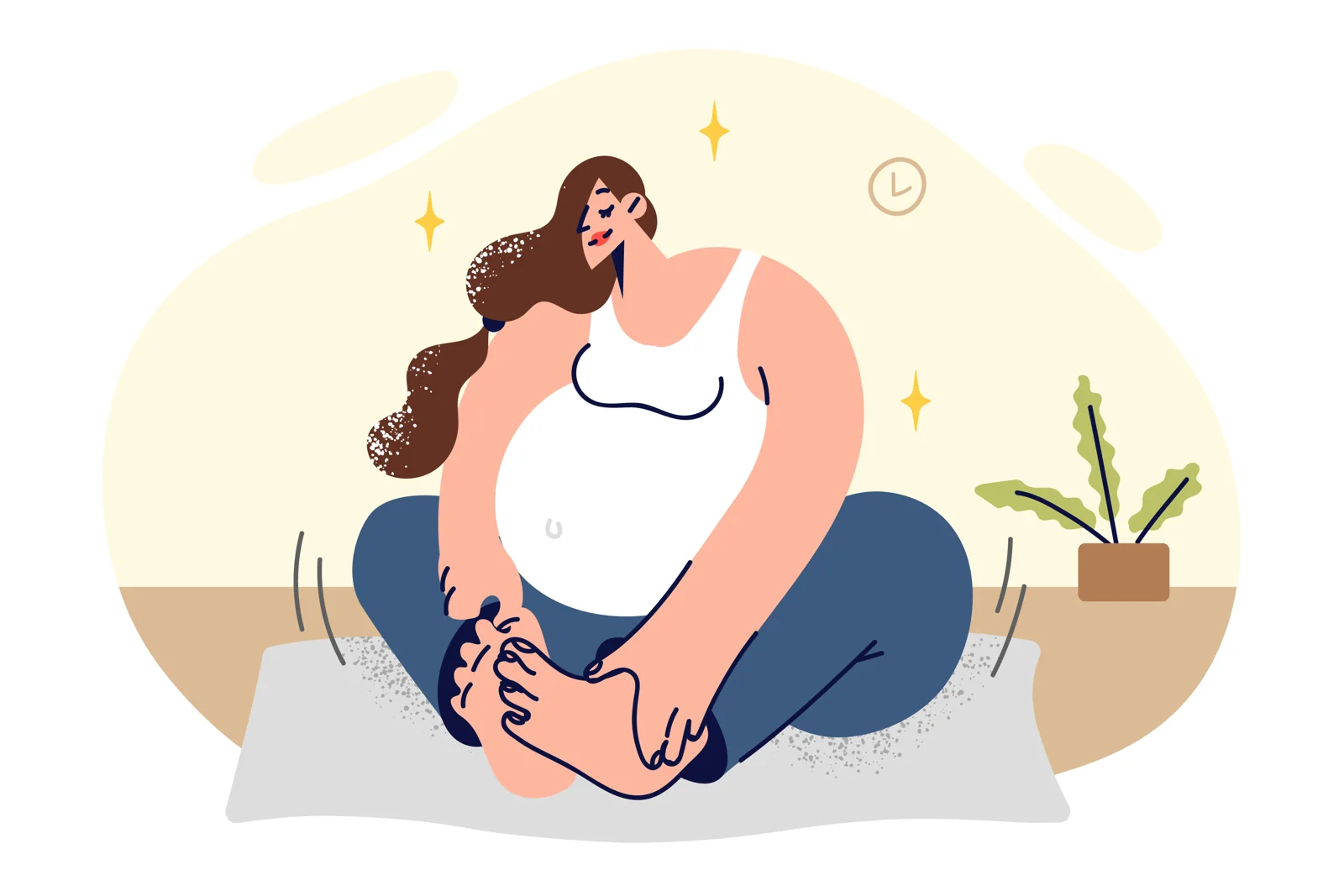
Pelvic girdle pain can affect the front or back of the pelvis and sometimes spread toward the thighs. Walking, stairs, standing on one leg, or turning in bed may become painful. An assessment matters because pain in this area can have more than one cause.
Ask for support early
Tell your midwife or doctor when movement starts becoming difficult. If pelvic girdle pain is diagnosed, pregnancy physiotherapy may help with symptom management, movement, and equipment such as a support belt when appropriate.
The condition itself does not harm the baby, but its impact on your mobility and wellbeing is important. You do not need to wait until you can barely walk to ask for help.
Reduce movements that repeatedly aggravate pain
Sitting down to dress can avoid balancing on one leg. Keeping your knees together when getting into or out of a car may be more comfortable. A pillow between your legs in bed can provide support.
Balance activity with rest and avoid repeatedly pushing through movements that worsen symptoms. If your work involves lifting or frequent stairs, ask what adjustments would be useful. Our back pain guide covers related everyday tasks.
Include comfort in birth planning
Most people with pelvic girdle pain can have a vaginal birth. Discuss positions you find comfortable and any movement limits with your midwife. Recording those details can help the team supporting you during labor.
A note in your midwife question list can prompt a conversation before the final weeks, especially if mobility has changed substantially.
Keep new symptoms separate from the diagnosis
Even after pelvic girdle pain has been diagnosed, bleeding, fluid leakage, fever, severe abdominal pain, or regular contractions needs immediate maternity advice. If abdominal pain is severe, call your local emergency number. A familiar condition should not become the explanation for every new symptom.
Ask how to request reassessment if the original plan is not helping, and mention if pain is affecting your mood or making everyday life difficult.
References

Lifeing Editorial
Stories for a little more understanding, a little more reassurance, and the everyday moments in between.
Related posts
Pelvic inflammatory disease: Symptoms That Can Be Easy to Miss