
Breathlessness in pregnancy: When to Seek Assessment

Feeling more easily out of breath can occur during pregnancy, especially as it progresses. However, new or worsening breathlessness needs attention. It should not automatically be explained by the baby, reduced fitness, or anxiety.
Recognize emergency breathing difficulty
Call your local emergency number for severe difficulty breathing, inability to speak normally, a tight or heavy chest, collapse, or sudden confusion. Marked paleness or blue or grey discoloration of the skin or lips is also concerning.
Do not drive yourself if you are seriously unwell. Tell the emergency team that you are pregnant and how far along you are if known.
Contact maternity care for a changed pattern
Sudden unexplained breathlessness, chest pain, coughing blood or collapse can indicate a blood clot in the lungs. Get emergency help immediately, even if there is no leg swelling.
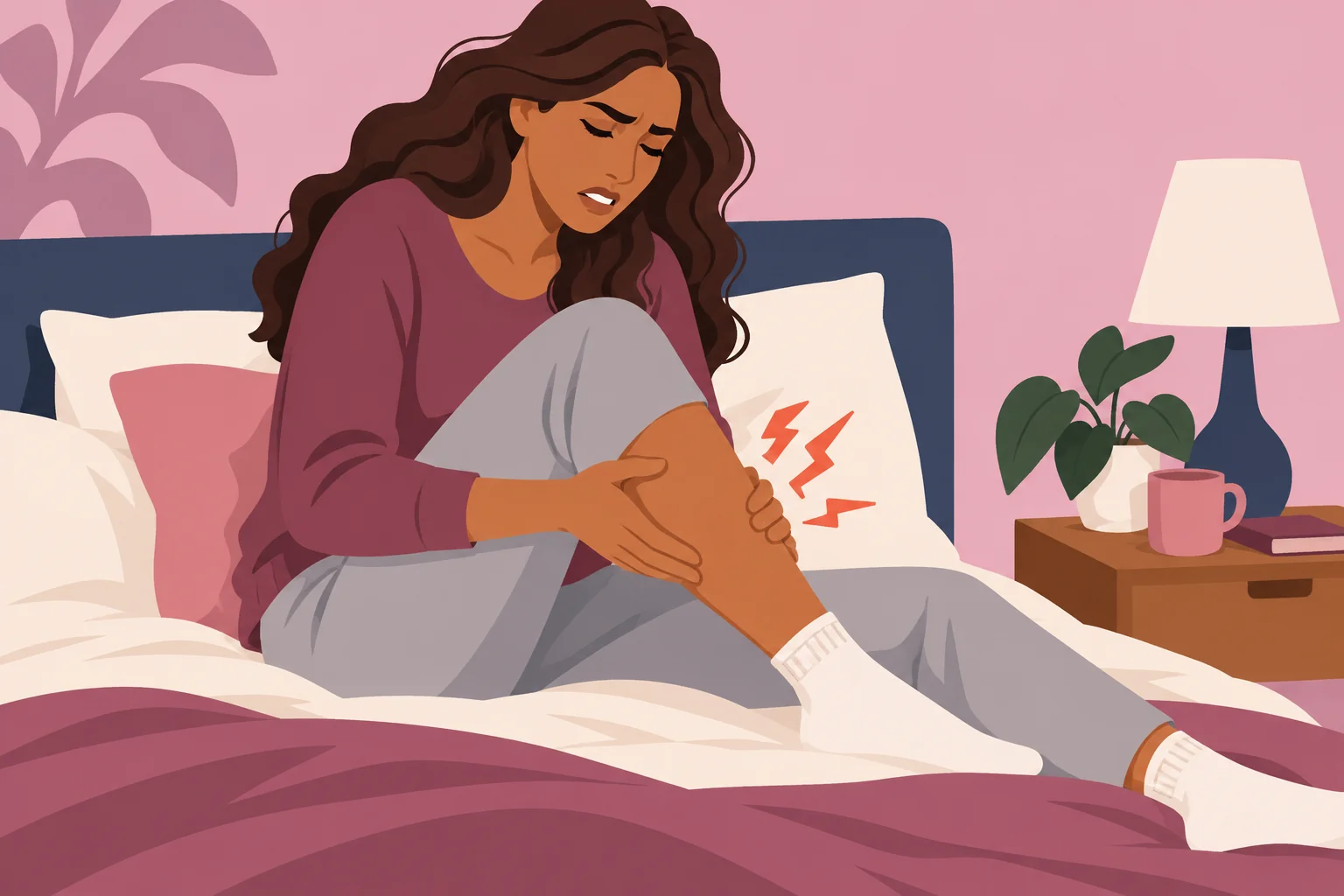
A new pattern of breathlessness while lying down or accompanied by dizziness also needs immediate maternity assessment. Report palpitations and pain or swelling in one leg at the same time.
The article on leg symptoms in pregnancy explains why a possible blood clot requires assessment. Shortness of breath with signs of a clot is an emergency.
Explain what has changed in ordinary activity
Tell your clinician whether you are breathless at rest, walking across a room, climbing stairs, or doing an activity that was previously comfortable. Mention cough, fever, asthma, heart or lung conditions, and any medicines you use.
This helps the team choose appropriate checks. A home reading or a comparison with another pregnant person’s experience cannot by itself establish the cause.
Ask about a plan after assessment
If urgent causes have been addressed, ask what level of activity is appropriate and how to pace tasks. Stop and seek advice if symptoms worsen rather than repeatedly testing your limits.
Tiredness and breathlessness can sometimes lead to a discussion about blood tests. Our guide to fatigue in pregnancy explains why anemia is one possibility to assess rather than a diagnosis to make from symptoms alone. Ask when to return if the pattern changes.
References

Lifeing Editorial
Stories for a little more understanding, a little more reassurance, and the everyday moments in between.
Related posts

Brown spotting before a period: Understanding Timing and Context