
Could You Be Pregnant? Early Changes to Notice Before Testing

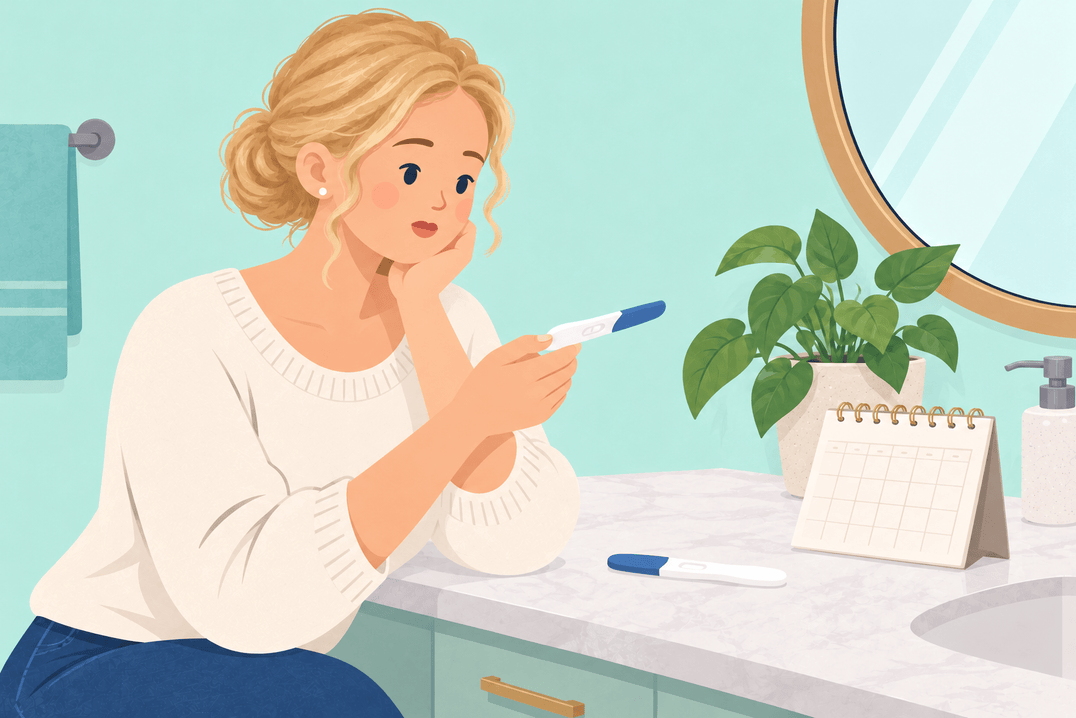
When you are waiting to test, every change can feel significant. You may notice tiredness, a different appetite, or breast tenderness and wonder whether this month is different. Symptoms can suggest a reason to test, but they cannot give you a reliable answer on their own.
Changes you might notice
A missed period, nausea, tiredness, tender breasts, and needing to urinate more often can occur in early pregnancy. Light bleeding can also occur, but bleeding alone does not establish pregnancy or its cause. Some people notice very little. Similar symptoms can have other explanations, including premenstrual changes.
Try to separate what you observed from what you think it means. “My breasts feel more tender today” is an observation. “That proves I am pregnant” is a conclusion a symptom cannot provide.
PMS versus early pregnancy symptoms
Breast tenderness, fatigue, mood changes, and altered appetite can occur in both situations. Their intensity does not reliably distinguish them. You might feel different from a previous cycle and still need a test to know whether you are pregnant.
The PMS overview describes symptoms that usually improve after menstruation begins. Waiting to see whether symptoms fade is not a substitute for testing when pregnancy is possible, particularly if bleeding is unusual or there is pain.
Make a testing plan
Most home tests are used from the first missed period; if your cycle is unpredictable, testing at least 21 days after the last unprotected sex is a useful guide. Follow the instructions supplied with the test.
If a test is negative but pregnancy still seems possible, repeat it after a few days. Seek medical advice if a second test is negative and your period has not arrived. Our negative test guide explains the next conversation.
Choose a date and write it down. That can give you one concrete next step instead of repeatedly searching for a symptom that settles the question.
Keep notes only if they help
A brief record of your expected period, symptoms, and any test results can be useful for a later appointment. There is no need to compare your experience with a long list of someone else’s “first signs.”
You might also decide who you want to talk with about the result. It is okay to want privacy, support, or a little time before making plans.
Symptoms that need urgent help
If pregnancy is possible, abdominal pain, unusual bleeding, or shoulder tip pain needs prompt medical advice, even without a positive test. Sudden intense abdominal pain, marked dizziness, fainting, or collapse needs emergency care. Do not wait to repeat a home test before seeking help.
For the next step, read when to take a pregnancy test.
Before a missed period, leave room for uncertainty
Some tests are designed for use before your period is due, but an early negative is less conclusive. Feeling unusually tired or noticing nausea before your expected period cannot make an early negative definitive or turn it into a positive result. Use the timing and repeat instructions for the actual test.
A cycle that feels different deserves attention when symptoms are disruptive. It does not need to be classified as pregnancy or PMS immediately. Keep symptom relief and testing as separate decisions, and ask for medical advice when something feels concerning.
No early symptoms does not rule out pregnancy
You may reach a missed period without nausea, breast tenderness, or a noticeable appetite change. There is no required checklist to complete before testing. If pregnancy is possible, use the same testing plan even when you feel like yourself.
After a positive result, symptom intensity is not a measure of pregnancy health. The guide to symptoms that come and go explains when to contact your care team and why clinical assessment answers questions that symptom watching cannot.
References

Lifeing Editorial
Stories for a little more understanding, a little more reassurance, and the everyday moments in between.
Related posts

Eating During Pregnancy: Foods to Choose, Limit, and Avoid