
Cycles longer than usual: Possible Reasons for a Changing Pattern

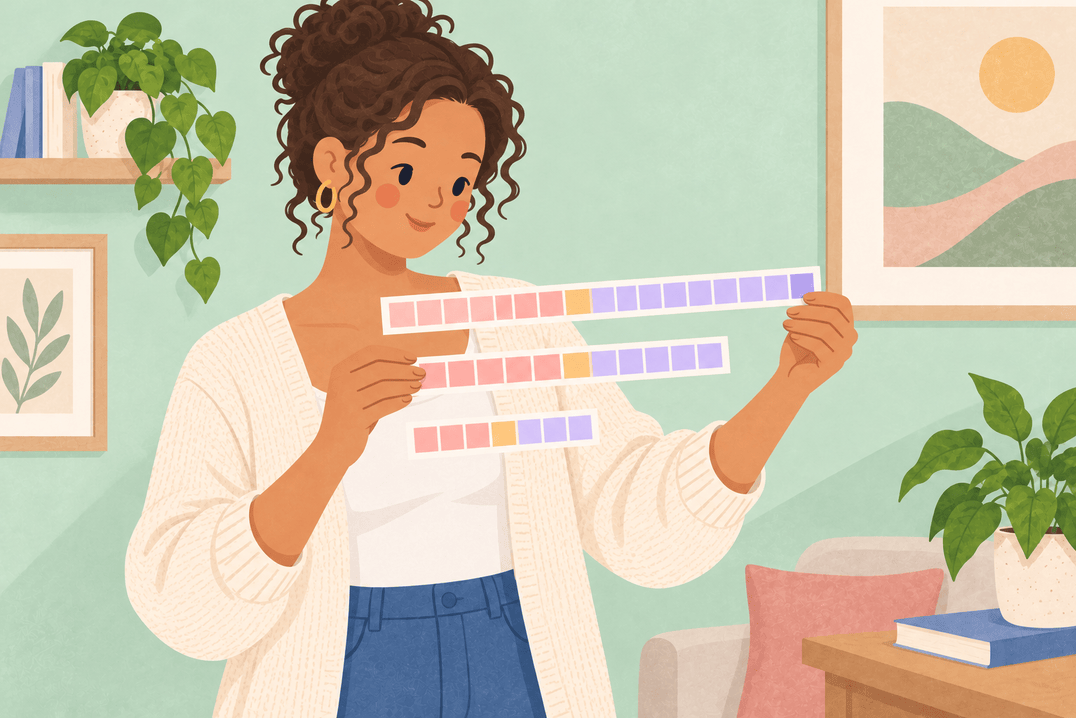
A cycle that gradually becomes longer is easier to describe when you look at several actual dates. An app may call every delay “late,” but your record can show whether this is one unusual month or a sustained change that needs assessment.
Compare like with like
Count from the beginning of one period to the beginning of the next. Do not compare the number of days you bleed with the length of the whole cycle. For example, a five day bleed can occur within either a shorter or a longer cycle.
Write your recent cycle lengths beside each other. If a date is uncertain, mark it as an estimate rather than filling the gap with an app prediction. Normal cycle length explains why a single population range cannot describe everyone’s situation.
Keep pregnancy testing separate
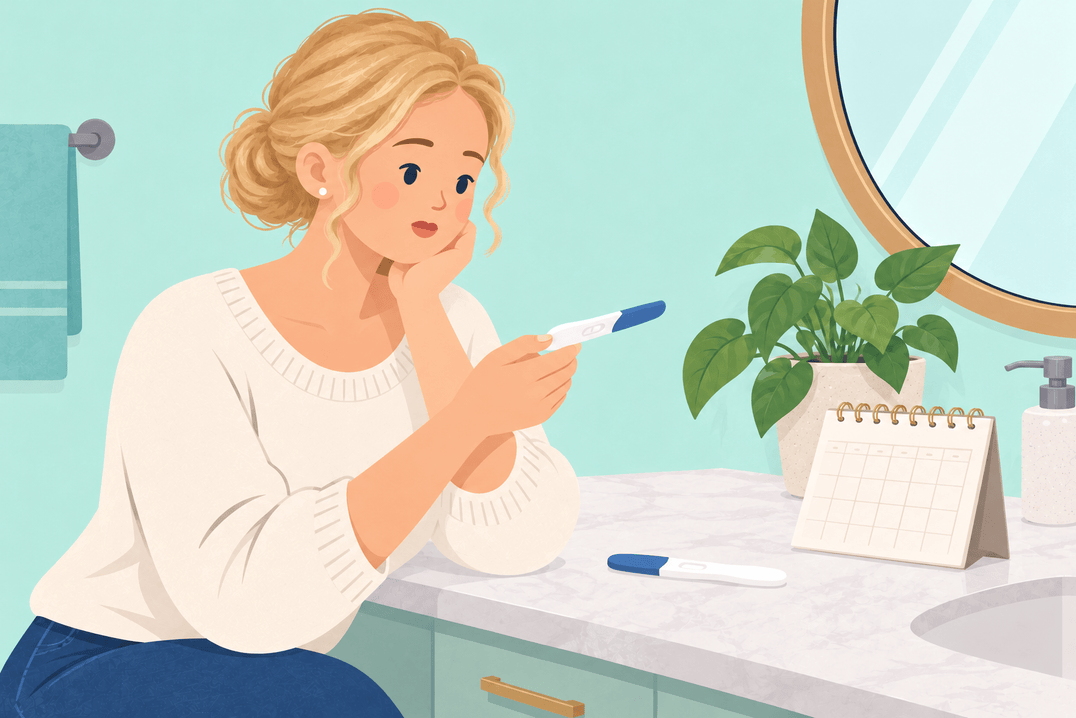
If pregnancy is possible, test according to the timing instructions. When you cannot predict the next period, testing at least 21 days after the most recent unprotected sex is a useful approach. A test taken earlier may need repeating.
Do not assume that longer cycles mean pregnancy cannot happen. The negative test and no period guide can help you plan the next step.
Add relevant context
Changes in ovulation, stress, energy intake, exercise, medicines, or thyroid function can be relevant. Age and contraception also affect how a clinician interprets a changing pattern. None can be confirmed simply because your cycle length increased.
Include new symptoms and treatment changes in your notes. Avoid trying several supplements at once to make the dates look regular; that can complicate the history without addressing the cause.
Agree on a review point
Arrange advice for a persistent change or if periods stop. About three months without a period after previously regular cycles warrants evaluation, and other symptoms can justify earlier care. Ask what to monitor, whether testing is appropriate, and when to return if the next period still has not arrived.
References

Lifeing Editorial
Stories for a little more understanding, a little more reassurance, and the everyday moments in between.
Related posts
Darkened skin in pregnancy: Understanding Pigmentation Changes