
Diarrhea in pregnancy: Hydration and When to Contact Your Team
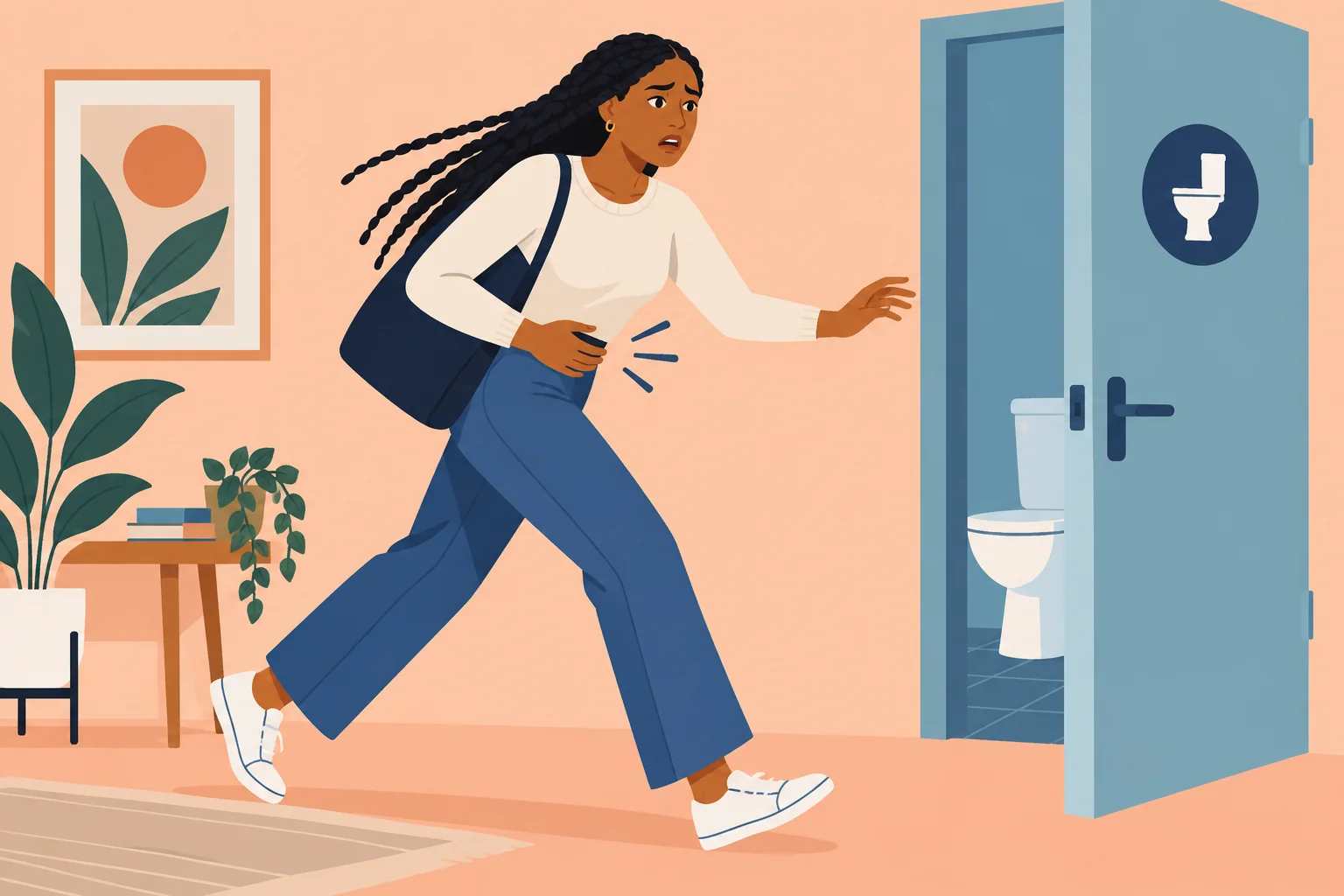
Diarrhea during pregnancy can have several causes, including a stomach infection. It should not automatically be treated as a pregnancy symptom. The immediate priorities are keeping fluids down, watching how you feel, and asking for advice if symptoms are significant or persistent.
Make drinking the practical priority
Take frequent small sips if your stomach feels unsettled. Eat when you feel able rather than forcing a large meal. A pharmacist can advise about oral rehydration products and whether you need medical review.
Tell the pharmacist that you are pregnant before buying medicine to stop diarrhea. Loperamide, often sold as Imodium, is not usually recommended in pregnancy because safety information is limited. Discuss it with a doctor before taking it. Do not take someone else’s medicine or assume a herbal product is suitable.
Report more than the number of episodes
When you call your care team, mention vomiting, fever, blood in the stool, abdominal pain, and changes in urine. Explain whether you can keep drinks down and whether you have recently traveled or eaten something that may have caused illness.
The warning signs discussed in dehydration with morning sickness can also help you recognize poor fluid intake, although diarrhea requires its own assessment.
Know when to seek help
Get prompt medical advice if you cannot retain fluids, pass much less urine, have bloody diarrhea, or are becoming weaker or dizzy. Severe sudden abdominal pain, confusion, or collapse needs emergency care.
Contact your maternity unit immediately for abdominal pain with bleeding, fluid leakage or regular contractions. If your baby is moving less, has stopped moving or has a change in the usual movement pattern, call immediately, including at night. Do not wait until you have recovered from diarrhea. Do not put those symptoms down to a stomach bug. Our abdominal pain guide explains the importance of accompanying symptoms.
Reduce spread while recovering
Wash hands thoroughly with soap and water and avoid preparing food for others while unwell. Clean shared bathroom surfaces and avoid sharing towels. For infectious diarrhea or vomiting, remain away from work until at least 48 hours after the last episode of either symptom. Ask your employer or clinician if your role needs additional precautions.
References
- NHS: Diarrhoea and vomiting (opens in a new tab)
- NHS: Medicines in pregnancy (opens in a new tab)
- NHS: Dehydration symptoms and treatment (opens in a new tab)
- NHS: Loperamide during pregnancy (opens in a new tab)
- NHS: Changes in your baby's movements (opens in a new tab)
- NHS: Stomach pain in pregnancy (opens in a new tab)

Lifeing Editorial
Stories for a little more understanding, a little more reassurance, and the everyday moments in between.
Related posts
Digital ovulation tests: Understanding Different Result Symbols