
Endometriosis and bowel symptoms: Explaining Pain Around Your Period
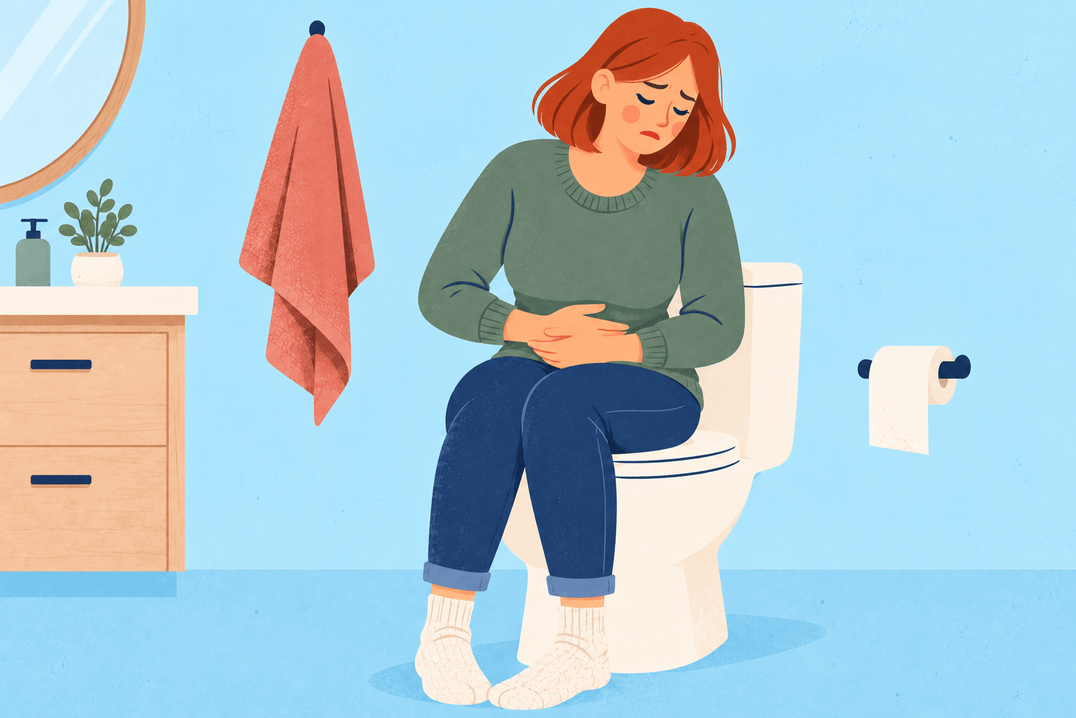
Pain when opening your bowels, bloating, and changes in bowel habits can occur with endometriosis. Symptoms may become more noticeable around a period, but that timing does not show exactly where disease is or establish the diagnosis.
Digestive conditions can produce similar symptoms, so a useful assessment considers both the bowel and the wider pelvic history.
Describe the symptom precisely
Explain whether the problem is pain before, during, or after a bowel movement, constipation, diarrhea, bloating, or a feeling that you have not finished. Mention bleeding from the bowel and whether symptoms occur outside menstruation too.
Note what the symptoms prevent you from doing. For example, avoiding a journey because toilet visits are painful gives more useful context than simply describing a bad period.
The endometriosis symptom guide helps connect these details with pain, bleeding, and other changes without assuming they all share one cause.
Do not settle the diagnosis from timing alone
Irritable bowel syndrome and other digestive conditions may be considered. A clinician may ask about food, medicines, weight changes, stool appearance, and family history, and choose tests based on the findings.
Blood in stool, unexplained weight loss, or anemia should not automatically be attributed to IBS or endometriosis. Tell your clinician about these symptoms even if they seem to follow your cycle.
A suspected endometriosis diagnosis also does not mean that bowel surgery will be needed. Treatment depends on what is found and your priorities.
Ask whether specialist assessment is needed
Suspected deep endometriosis involving the bowel warrants specialist care. Specialist ultrasound or MRI may help assess its extent and plan treatment. A normal routine scan does not exclude all endometriosis.
Our imaging guide explains why the experience of the imaging team matters. If an operation is being considered, ask whether a bowel specialist needs to be involved and what procedures are actually proposed.
Keep a clear escalation plan
Pelvic pain with difficulty passing stool, blood in stool, fever, vomiting, or possible pregnancy needs urgent advice. Severe or rapidly worsening pain, fainting, or breathing difficulty needs emergency care. Do not assume an unfamiliar episode is your usual cycle pattern.
For ongoing symptoms, ask who is coordinating the gynecological and digestive assessment. Bring a short record and your medicine list. Agree on what to do while waiting, when results will be reviewed, and what changes should lead to earlier contact.
References

Lifeing Editorial
Stories for a little more understanding, a little more reassurance, and the everyday moments in between.
Related posts
Endometriosis and conception: When to Seek Fertility Advice