
Endometriosis symptoms: When Period Pain Is Part of a Bigger Pattern
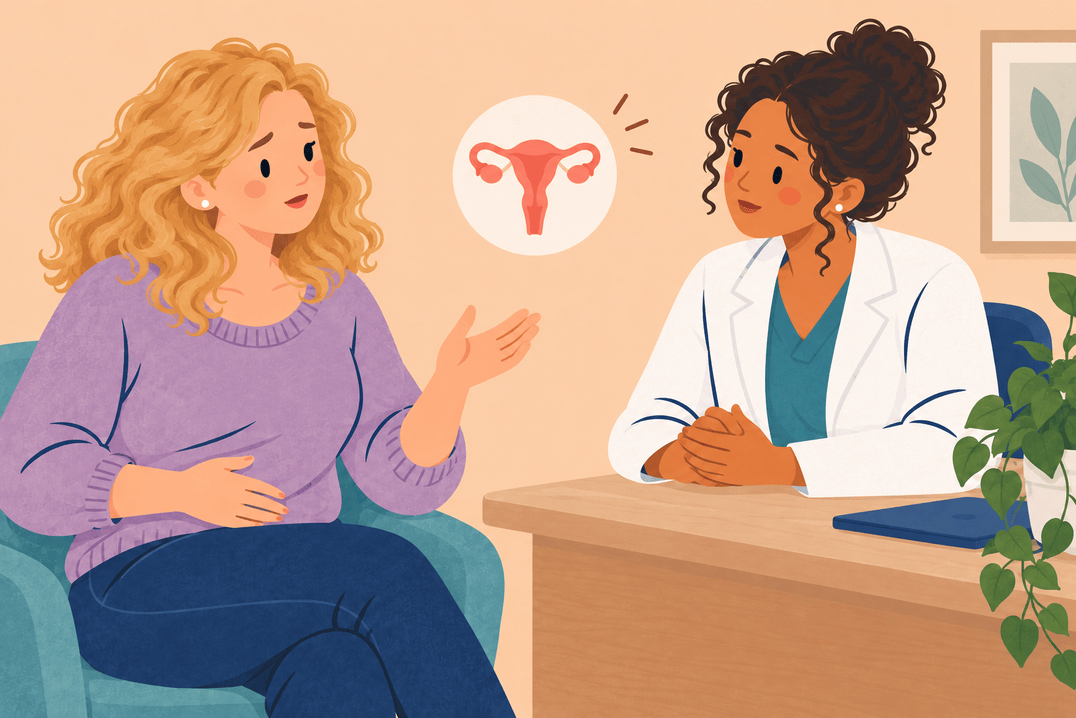
Endometriosis can cause pain around periods, but its effects are not limited to the days you bleed. Pain during sex, bowel movements, or urination, ongoing pelvic discomfort, and fatigue can also be part of the picture. Some people have few symptoms.
These experiences can have several causes. Their timing and effect on daily life help a clinician decide what to investigate.
What endometriosis means
Endometriosis involves tissue similar to the uterine lining growing outside the uterus. It can cause inflammation and scarring. The amount of visible disease does not reliably predict how much pain someone experiences.
You do not need to have every possible symptom, heavy bleeding, or difficulty conceiving before asking about it. Tell your clinician if a close relative has had endometriosis, because family history can be relevant.
Endometriosis versus ordinary period cramps
Common period cramps can occur without an underlying pelvic condition. They often start shortly before or with bleeding and ease over the next few days. Endometriosis related pain may be persistent, worsen over time, or occur during other activities, but these patterns overlap.
There is no pain score or calendar rule that reliably separates the two. Improvement with pain medicine does not prove that endometriosis is absent, and severe cramps do not prove that it is present.
Missing school or work, avoiding sex because of pain, or planning your life around symptoms are reasons to seek assessment. The diagnosis guide explains what that assessment may involve.
Record the pattern without waiting for a perfect diary
Note when pain occurs, where you feel it, whether bleeding is present, and what you could not do. Include bowel or bladder symptoms and what medicines you took. A short record is enough to begin the conversation.
Our guides to bowel symptoms and bladder symptoms can help you describe those concerns. A pattern around periods is useful information, not a reason to assume every symptom has the same cause.
Know when the plan needs to change
Arrange a review if symptoms persist, return, or do not respond to treatment. A normal examination or ultrasound does not rule out endometriosis.
New severe pelvic pain, fainting, shoulder tip pain, breathing difficulty, or heavy bleeding needs emergency assessment. Pelvic pain with possible pregnancy, fever, or difficulty passing urine or stool needs urgent advice. Do not wait for the next period or a routine appointment when the symptoms are different or severe.
References

Lifeing Editorial
Stories for a little more understanding, a little more reassurance, and the everyday moments in between.
Related posts
Epilepsy medicines and pregnancy planning: Working With Your Specialist