
Endometriosis and bladder symptoms: What to Tell Your Doctor
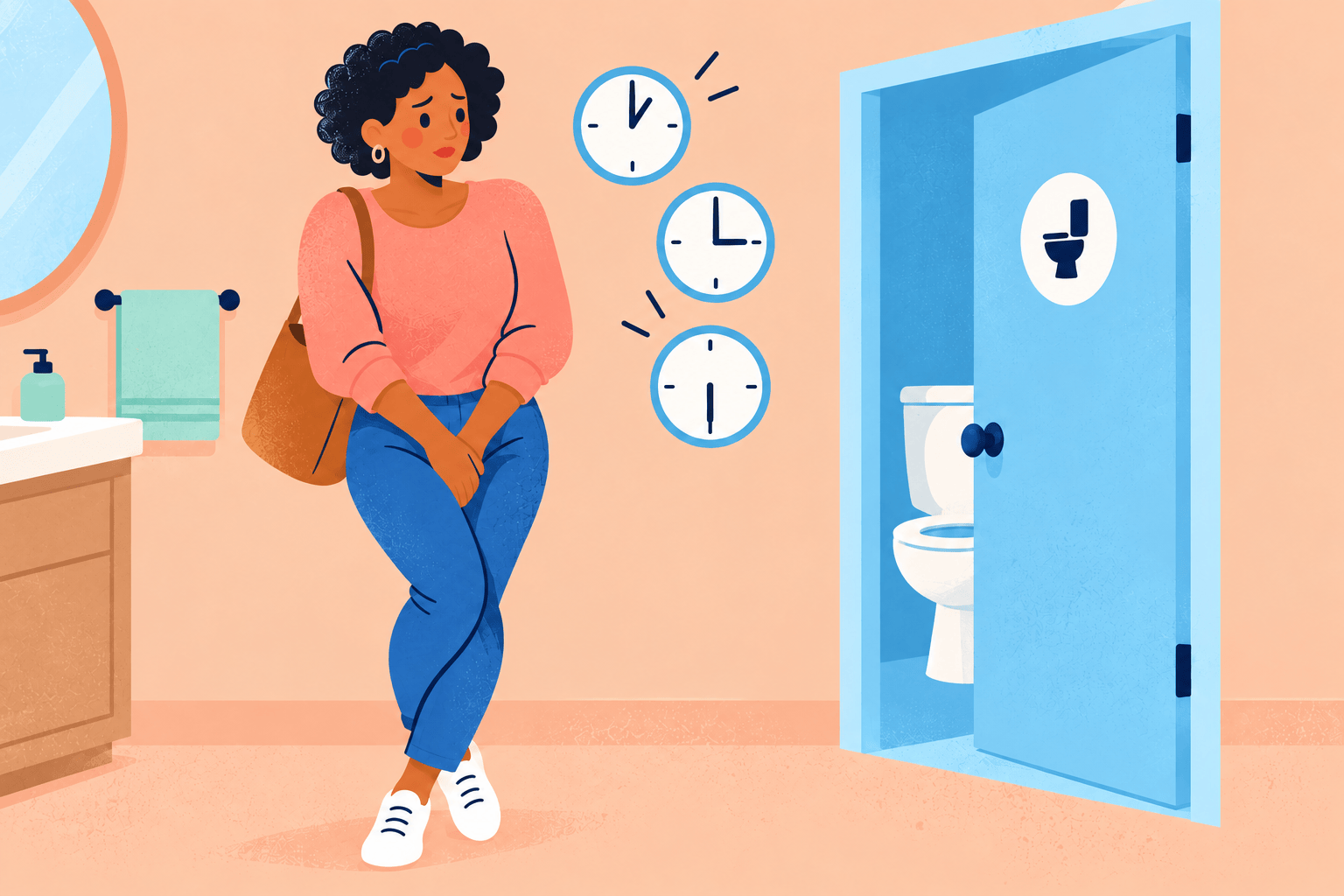
Pain when passing urine can occur with endometriosis, particularly when it follows a cycle related pattern. Urgency, frequency, and bladder discomfort can also have other causes. An existing endometriosis diagnosis should not prevent assessment for a urinary infection or another urinary problem.
Explain when and where it hurts
Tell your clinician whether discomfort occurs as the bladder fills, while you pass urine, or afterward. Mention urgency, waking to urinate, visible blood, fever, and pain in your side or back. Include how the pattern relates to menstruation.
If you are unsure whether blood is coming from urine or vaginal bleeding, say so. Do not assume it is menstrual blood without checking. Our broader symptom guide can help you put urinary changes alongside the rest of your history.
Infection and endometriosis need different decisions
A urine test may be appropriate when infection is suspected, although it is not needed in every uncomplicated case. Tell the clinician about previous results and antibiotics, including whether symptoms improved.
Repeated symptoms deserve a review of the explanation. Avoid reusing leftover antibiotics or assuming that a negative infection test confirms endometriosis. Bladder pain conditions and other causes may need consideration too.
Know when specialist care matters
If deep endometriosis involving the bladder or ureter is suspected, specialist assessment is recommended. The ureter is the tube carrying urine from a kidney to the bladder. Imaging can help the team understand the extent of disease and plan care.
The ultrasound guide explains why a normal routine scan does not exclude every form of endometriosis. You can ask whether a specialist scan, MRI, or input from a urinary tract specialist would change the treatment plan.
Seek help for concerning changes
Blood in urine needs urgent medical advice even if it is a small amount, happens once, or appears around your period. Urinary symptoms with fever, shivering, pain under the ribs, or pregnancy need urgent assessment. Difficulty passing urine with pelvic pain also needs urgent help.
Severe or worsening pelvic pain, fainting, confusion, or breathing difficulty warrants emergency care. These are not symptoms to manage only through a routine flare plan.
For ongoing care, agree on who will review test results and what to do if symptoms return. Keeping dates, urine results, and treatment responses together can make that discussion clearer without requiring you to identify the cause yourself.
References

Lifeing Editorial
Stories for a little more understanding, a little more reassurance, and the everyday moments in between.
Related posts

Endometriosis and bowel symptoms: Explaining Pain Around Your Period