
Endometriosis flares: Creating a Practical Symptom Plan

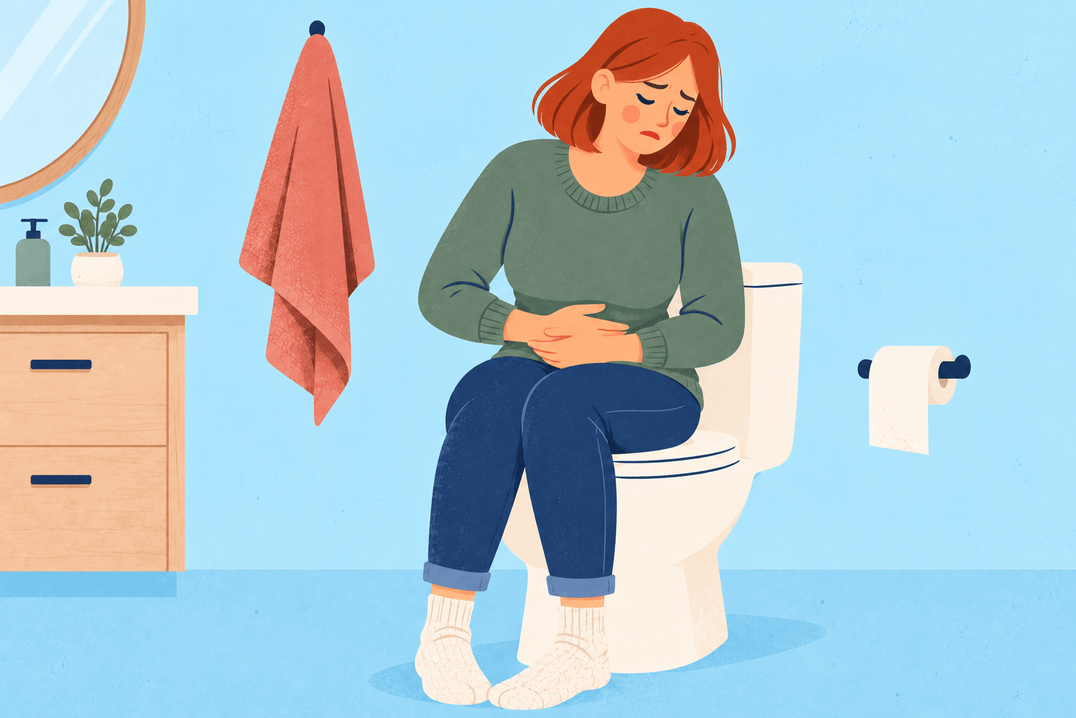
A flare is a useful everyday term for a period when symptoms become harder to manage. It does not identify the cause of every new pain episode. A written plan can help you respond to familiar symptoms while recognizing when something needs a fresh assessment.
Agree on the medicine plan in advance
Ask your clinician or pharmacist which medicines are suitable, when to use them, and the maximum amount for your prescribed or labeled regimen. Include other medicines you take so combinations can be checked. If you are pregnant or trying to conceive, check before using ibuprofen or another anti inflammatory medicine.
Do not add extra doses or several pain products because the first dose has not helped. Some products contain the same active ingredient, and different anti inflammatory medicines may be unsafe together. If the agreed plan is not controlling pain, ask for advice rather than improvising a stronger regimen.
Your longer term treatment plan may also need review if flares are becoming more frequent or disruptive.
Prepare a few practical supports
Think about what becomes difficult on a painful day: meals, transport, childcare, sleep, or access to a toilet. Choose one or two arrangements that would make the biggest difference, such as a backup lift or a simple meal you can keep available.
Warmth may ease cramps for some people. Use a heat source according to its instructions and protect your skin from burns. Comfort measures can accompany medical care, but they are not a test you must pass before asking for treatment.
You can adapt activities to what feels manageable. There is no single routine that prevents every endometriosis flare.
Decide when to seek new assessment
Seek urgent advice for pelvic pain with fever, vomiting, difficulty passing urine or stool, blood in urine or stool, or possible pregnancy. Severe or worsening pain, fainting, shoulder tip pain, heavy vaginal bleeding, or breathing difficulty needs emergency assessment.
These changes should not be dismissed because you already have endometriosis. Our bowel symptom guide explains why digestive symptoms may need their own assessment too.
Review the pattern afterward
Once things settle, note what happened, which treatments helped, and what you could not do. A short record can make the next appointment more useful without turning every day into detailed monitoring.
Ask whether repeated flares mean you need another investigation, referral, or a change in treatment. Include fatigue and emotional impact. A plan should help you access care sooner when needed, not simply give you more instructions for tolerating symptoms at home.
References

Lifeing Editorial
Stories for a little more understanding, a little more reassurance, and the everyday moments in between.
Related posts

Endometriosis myths: Claims to Check Before Changing Your Care