
Fibroids and pelvic pressure: Describing the Effect on Daily Life
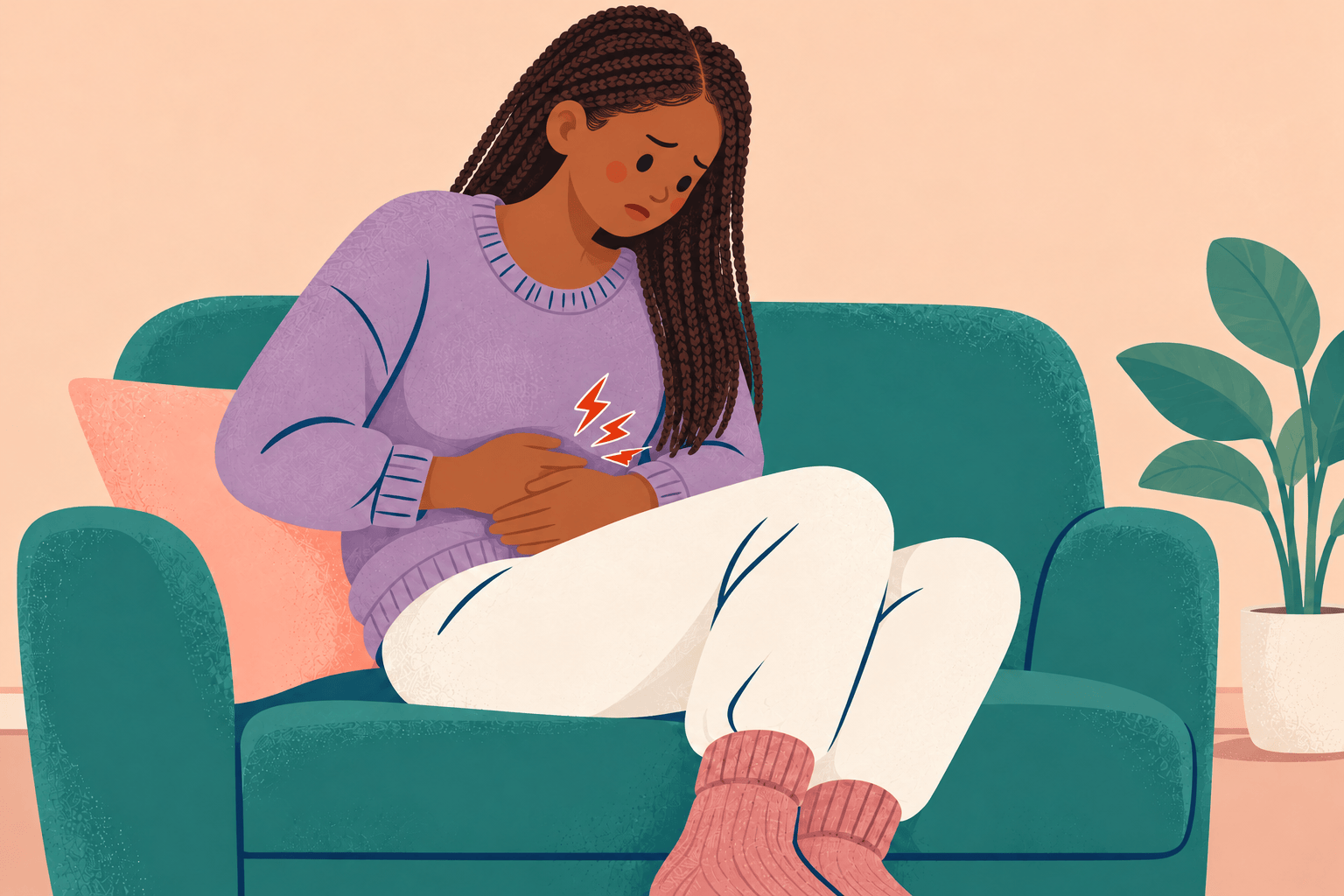
Pelvic pressure can feel like heaviness, fullness, or a sense that something is taking up space in the lower abdomen. Fibroids can cause these sensations, especially when they affect nearby structures. Pressure is worth discussing even when bleeding is manageable.
An old fibroid diagnosis should not become the automatic explanation for every new abdominal symptom.
Describe the sensation in ordinary language
Tell the clinician where you notice the pressure and whether it is constant or comes and goes. Explain whether sitting, walking, sex, a full bladder, or bowel movements change it. Mention back discomfort and whether clothing has become uncomfortable around your abdomen.
You do not need to identify which organ is involved. A brief description of what you cannot comfortably do gives the clinician useful information about the effect on daily life.
Include bowel and bladder changes
Fibroids can press on the bladder or rectum, contributing to urinary frequency or constipation. Record those symptoms separately rather than using pressure as a single label for everything.
The bladder guide explains why infection and other urinary causes may still need assessment. New burning, blood in urine, or difficulty emptying the bladder should not be assumed to be a normal fibroid effect.
Ask whether the findings fit
Examination and ultrasound can help clarify the size and position of fibroids. Compare current symptoms with previous findings, and ask whether further investigation would change the plan.
Some treatments mainly reduce bleeding. They may not adequately address a symptom caused by the space a fibroid occupies. The treatment choices guide helps separate those goals without assuming that pressure always requires surgery.
Know when to seek another assessment
Persistent or frequent bloating, feeling full unusually quickly, loss of appetite, unexplained weight loss, or worsening abdominal symptoms should be checked. These changes have many possible causes, including conditions unrelated to fibroids. They do not by themselves mean cancer.
Pelvic pain with fever, vomiting, or difficulty passing urine or stool needs urgent advice. Severe or worsening pain, fainting, or breathing difficulty needs emergency care.
If pressure continues to interfere with sleep, work, movement, or relationships, arrange a review even if the last scan described a benign finding. The purpose of follow up is to understand the current problem and agree on a useful response, not simply repeat the old diagnosis.
References

Lifeing Editorial
Stories for a little more understanding, a little more reassurance, and the everyday moments in between.
Related posts


First gynecology conversations: Helping Teens Prepare Their Questions