
Medicines that interact with the pill: Questions for Your Pharmacist

Some medicines and herbal products can change how contraceptive pills work. The interaction can also operate in the other direction, with contraceptive hormones affecting another medicine. A review needs the exact products and doses, not simply a broad label such as antibiotic or epilepsy treatment.
Bring the whole medicine list
Include prescriptions, medicines bought from a pharmacy, supplements, and herbal products. Some treatments for epilepsy, tuberculosis, or HIV and the herbal product St John’s wort can affect hormonal contraception. These are examples, not a complete list.
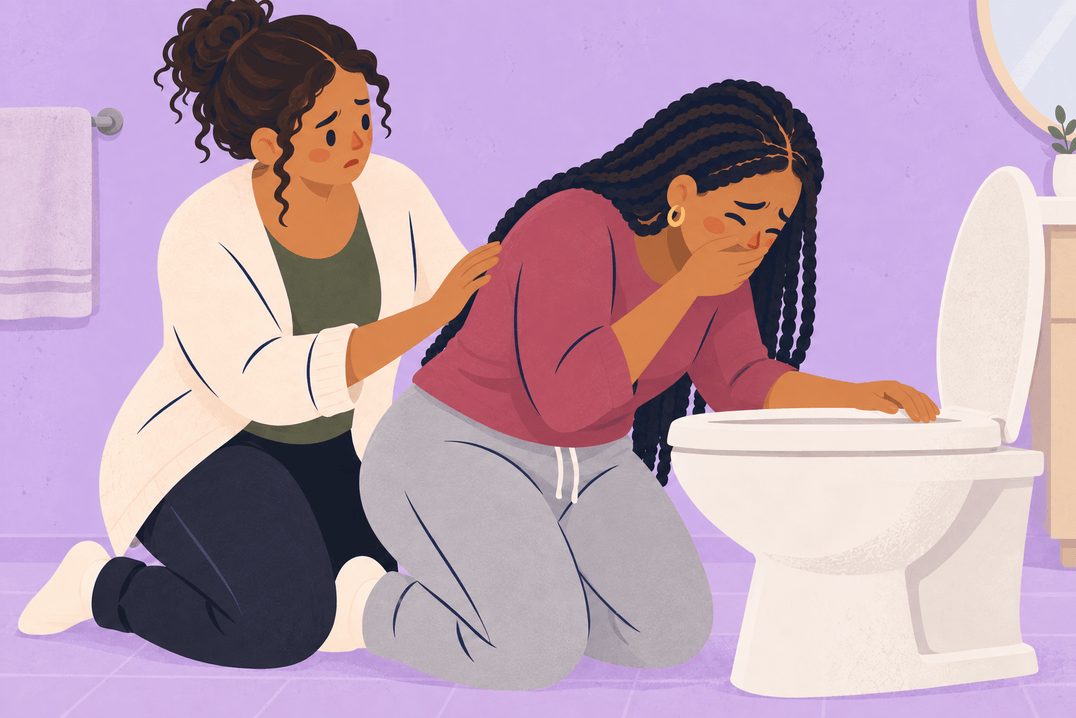
Most ordinary antibiotics do not directly reduce combined pill effectiveness. However, some specific antibiotics do, and vomiting or severe diarrhea during any illness can affect absorption. Ask about the named medicine rather than assuming all antibiotics need the same precaution.
The sickness and pill guide explains how absorption concerns differ from a direct interaction.
Remember that an interaction may affect other treatment
Estrogen containing contraception can lower lamotrigine levels, while a hormone break or stopping combined contraception can raise them. This can affect seizure control or side effects. A change should be coordinated with the clinician managing the medicine.
Do not change an essential medicine or take extra contraceptive tablets to compensate on your own. Ask whether a contraceptive method unaffected by the interaction would be more suitable.
Ask specifically about tirzepatide
If you take tirzepatide and an oral contraceptive, current advice is to add a barrier method such as condoms for four weeks after starting tirzepatide and for four weeks after each dose increase, or use a suitable nonoral contraceptive method.
Do not assume the same direct interaction applies identically to every medicine used for diabetes or weight management. The exact drug still matters, and sickness can create a separate issue with pill absorption.
Get the dates and next steps in writing
Ask when extra protection should begin and end. Some interactions continue after the other medicine is stopped, so stopping dates alone may not define when the pill can be relied on again.
If sex occurred while protection may have been reduced, seek prompt advice about emergency contraception. Interacting medicines can affect that choice too. The changing pill guide explains how to plan a switch while maintaining pregnancy prevention.
References
- NHS: How to take the combined pill (opens in a new tab)
- NHS: How to take the progestogen only pill (opens in a new tab)
- FSRH: Combined hormonal contraception guideline, amended October 2023 (opens in a new tab)
- MHRA: Medicines for weight management and diabetes, contraception guidance (opens in a new tab)
- NHS: Emergency contraception (opens in a new tab)

Lifeing Editorial
Stories for a little more understanding, a little more reassurance, and the everyday moments in between.
Related posts

Menopause appointments: Preparing Your Bleeding and Symptom History