
Missed periods while breastfeeding: Understanding Hormonal Suppression
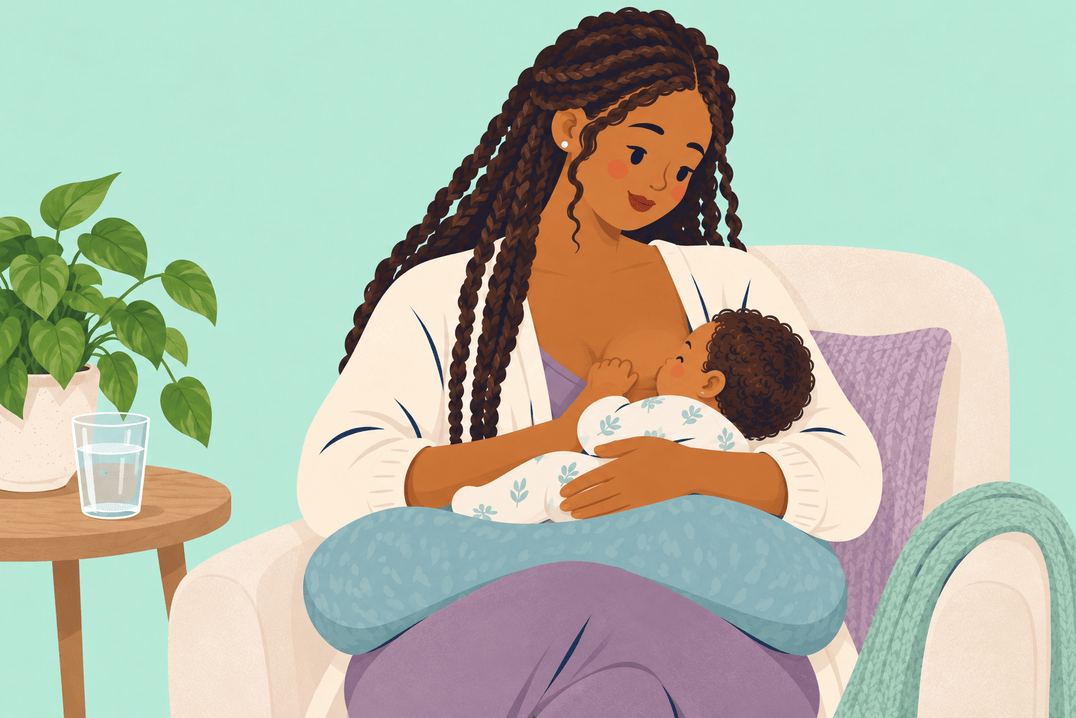
Breastfeeding can delay the return of periods after birth through its effect on the hormones involved in ovulation. There is considerable variation between people. The absence of bleeding alone does not tell you whether ovulation is about to return or whether you need contraception.
Expect different return patterns
Periods may remain absent while breastfeeding is frequent, including at night. They may return as feeding changes. Comparing your timeline with a friend’s can be misleading because feeding patterns and individual responses differ.
Bleeding during recovery from birth is not automatically a menstrual period. If you are unsure what bleeding represents, describe its timing and amount to your midwife or clinician rather than entering it as a definite cycle start.
Plan contraception before the first period
Pregnancy can occur before periods return, including while breastfeeding. Ovulation can happen before the first bleed, so waiting for that bleed may leave an unrecognized opportunity for pregnancy.
Discuss contraception with your midwife, clinician, or sexual health service. If pregnancy is possible, pregnancy test timing can help you decide when to test without an expected period date.
Understand the limits of relying on breastfeeding
The lactational amenorrhea method is a specific contraceptive method with requirements about the baby’s age, feeding frequency, and absence of periods. Simply saying “I am breastfeeding” is not enough to establish that its criteria are met.
Ask for advice if feeds become less frequent, night feeds stop, or formula or solids are introduced. Expressing milk may also affect reliability. Another method may be needed before your bleeding pattern changes.
Ask about symptoms and your own goals
Get emergency help for sudden very heavy bleeding after birth, especially with faintness or a racing heartbeat. Contact your maternity team promptly for fever or significant abdominal pain. These should not be explained away as a period returning.
If you are concerned about a prolonged absence of periods, discuss your feeding pattern, contraception, and plans for another pregnancy. The menstrual appointment guide offers questions that can help make the plan clear.
Possible pregnancy signs while breastfeeding
Tiredness, breast discomfort, and changing appetite can be difficult to interpret while caring for and feeding a baby. A new symptom does not establish pregnancy, and a familiar one does not rule it out. Do not wait for an unmistakable symptom or the return of periods before considering a test.
If you do not know when your next period is due, test at least twenty one days after the relevant unprotected sex. A negative result cannot exclude a pregnancy from more recent sex, so consider the dates when deciding whether another test is needed. Ask a clinician for help if symptoms persist or results remain uncertain.
The early signs guide separates symptoms from evidence of pregnancy. Tell your clinician that you are breastfeeding and whether another pregnancy is wanted, so testing, contraception, and ongoing care can be discussed together.
Trying for another pregnancy while breastfeeding
Breastfeeding does not make conception impossible, but it may delay ovulation. There is no feeding schedule that can promise when fertility will return. A period or a tracking app prediction should not be treated as proof that every cycle is ovulatory.
Discuss your wish for another pregnancy with your clinician, including recovery from birth, any complications, your age and previous difficulty conceiving. Ask how the interval since birth affects your individual plan. You can have that conversation while continuing to breastfeed, without committing to weaning at the appointment.
If you are considering changes to feeding, ask a midwife or lactation professional about your baby’s nutritional needs and your own comfort. Changes should be gradual and appropriate for both of you, rather than an abrupt attempt to trigger ovulation. Reducing feeds may allow fertility to return, but it does not provide a guaranteed conception date.
Regular sex, when wanted and comfortable, can be easier than trying to identify one exact fertile day while periods are unpredictable. If a fertility assessment or medicine is being considered, tell the team that you are breastfeeding before treatment is prescribed. Ask how it affects the feeding plan and whether further support is needed. The first fertility appointment guide can help you organize those questions.
References
- NHS: Your body after the birth (opens in a new tab)
- NHS: Sex and contraception after birth (opens in a new tab)
- NHS: Natural family planning (opens in a new tab)
- NICHD: Causes of amenorrhea (opens in a new tab)
- NHS: Signs and symptoms that might mean you are pregnant (opens in a new tab)
- NHS: Doing a pregnancy test (opens in a new tab)
- HSE: Breastfeeding and fertility (opens in a new tab)
- ASRM: Assessing ovulation (opens in a new tab)

Lifeing Editorial
Stories for a little more understanding, a little more reassurance, and the everyday moments in between.
Related posts

Missing coil threads: What to Do Before Relying on Protection