
Morning sickness at night: Adjusting Meals and Rest
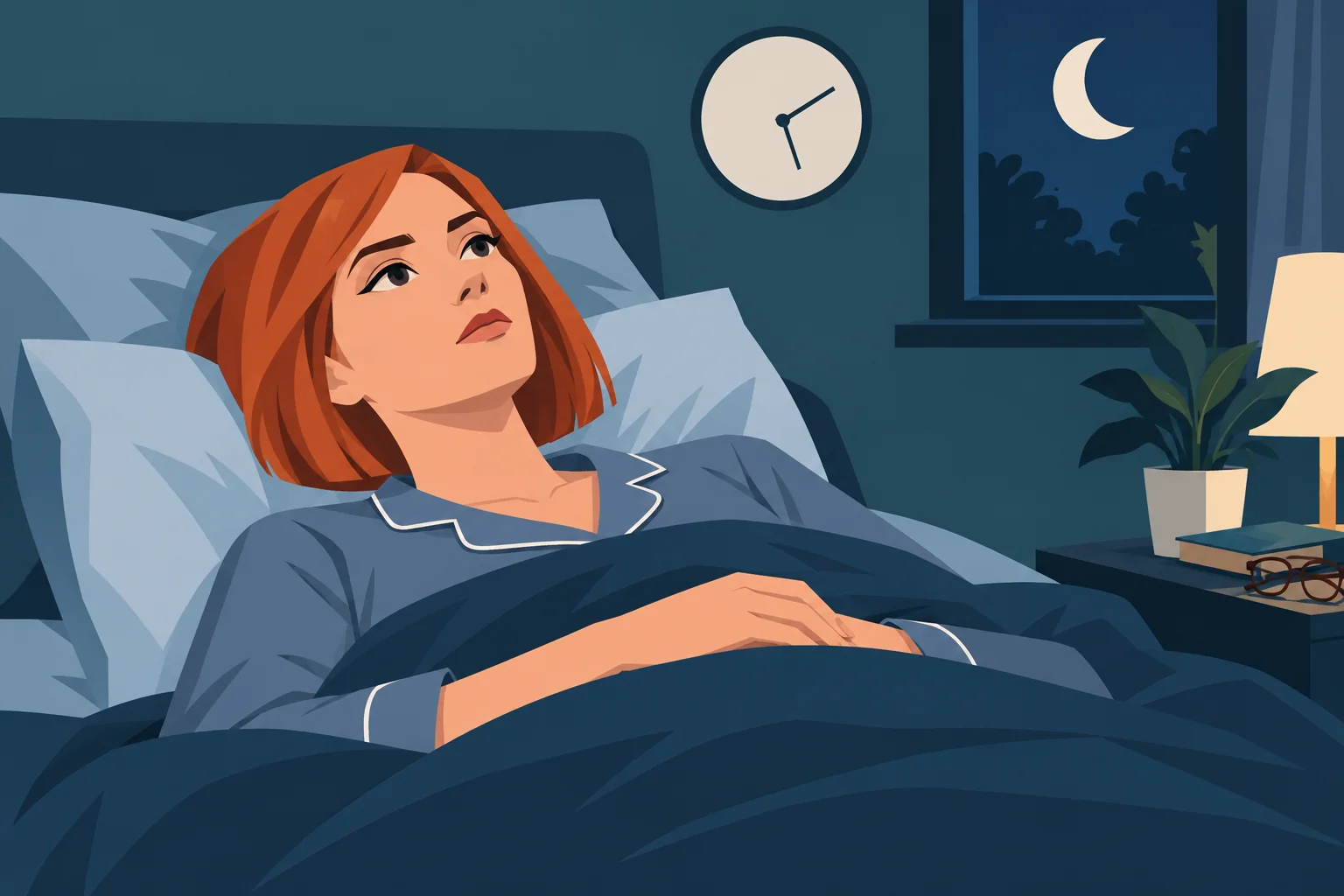
Morning sickness can happen in the evening or throughout the night. The name describes the condition poorly for anyone who spends bedtime feeling nauseated. An evening pattern does not make the symptoms less real or less worthy of treatment.
Notice what happens before bedtime
Consider whether the difficult period follows a long gap without food, a large meal, strong cooking smells, or a tiring day. These observations may help you choose one manageable change. They do not prove what is causing the nausea.
You might keep a simple snack available, divide an evening meal into smaller portions, or ask someone else to cook. Small, regular sips can be easier when a large drink feels unpleasant. Our nausea relief guide explains the broader options.
Distinguish nausea from reflux when describing it
A burning feeling behind the breastbone or a sour taste after eating may suggest reflux, although symptoms can overlap. Tell your clinician about these details rather than assuming all discomfort is morning sickness.
If reflux is part of the problem, avoiding meals close to bedtime and staying upright after eating may help. See pregnancy heartburn for treatment questions and advice about medicines.
Ask how prescribed treatment fits your pattern
If you already have a medicine for nausea, tell your prescriber when symptoms are worst. Ask how to follow the schedule and what to do if a dose is vomited. Do not add extra doses or change the timing yourself without checking.
Sleep disruption is worth mentioning. A plan that does not let you rest may need review, even if you manage better during the morning.
Know when the clock should not matter
Contact your maternity team or urgent care service now if you cannot keep fluids down, have very little urine or feel faint. Seek emergency help for severe abdominal pain or vomiting blood with pain, dizziness or feeling unwell. Blood in vomit always needs medical advice, even if it stops. Do not wait until daytime simply because the symptoms usually arrive at night.
References

Lifeing Editorial
Stories for a little more understanding, a little more reassurance, and the everyday moments in between.
Related posts


Morning versus evening pregnancy tests: Why Urine Concentration Can Matter