
Pain with Sex and Vaginal Symptoms While Trying to Conceive
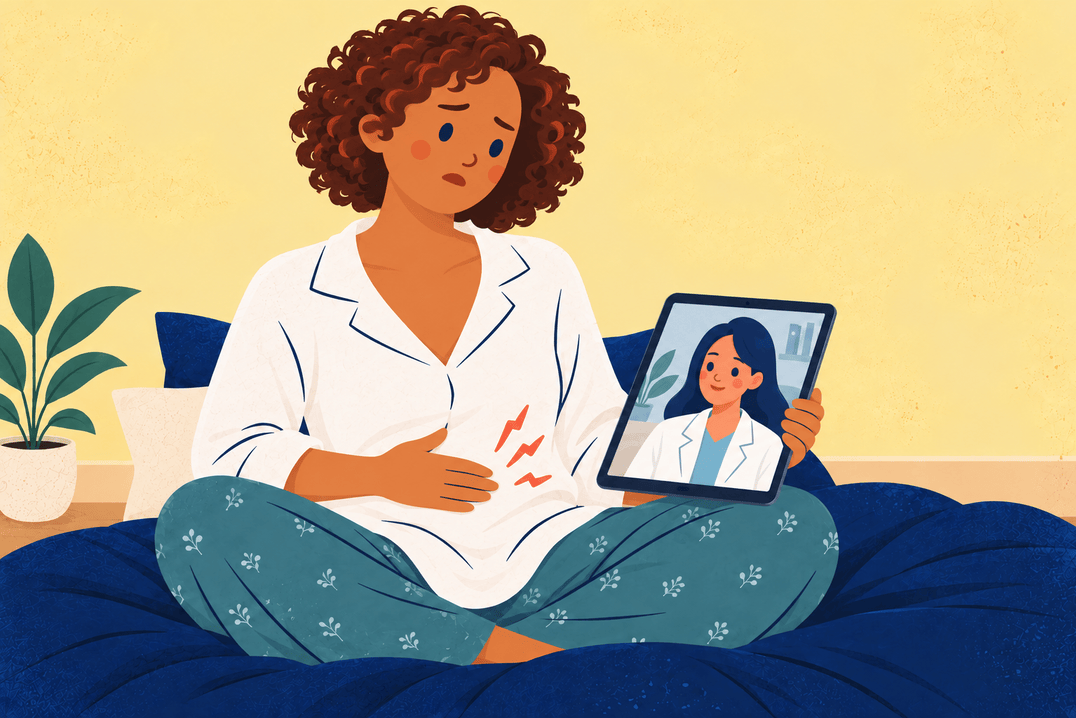
Pain with sex is worth discussing even if it comes and goes or you have learned to avoid the activities that trigger it. With vaginal symptoms, the cause may involve infection, irritation, dryness, or another pain condition. The aim is to understand the discomfort without asking you to push through it.
Describe the location and timing
Tell the clinician whether pain is at the entrance, on the external skin, or deeper in the pelvis. Mention whether it starts with touch, during penetration, or afterward, and whether there is itching, changed discharge, bleeding, or urinary discomfort.
You can use your own words. “Stinging at the opening” or “a deep ache that continues afterward” is useful information. The vaginal burning guide discusses related sensations.
Avoid assuming there is only one explanation
Dryness or irritation may make contact uncomfortable. Some infections can cause pain, and persistent vulval pain can occur without visible skin changes. More than one factor may be present.
A clinician may ask about medicines, hormonal changes, sexual symptoms, and previous treatment. Our swab guide explains when samples help and why they do not investigate every possible cause of pain.
Plan an examination you can consent to
Explain beforehand if examinations are difficult or if you need a slower approach. Ask what each part is intended to establish. You can request a pause or ask the clinician to stop; an appointment can still begin with conversation.
If symptoms persist and an infection is not found, ask about further assessment or specialist support. The absence of a positive swab does not make the pain unimportant.
Protect comfort while seeking an answer
Stop activities that hurt. If dryness is involved, a suitable lubricant may help, but it should not be used to force painful penetration or postpone assessment. Avoid products that sting or add irritation, and follow advice about avoiding sex when an infection is suspected or being treated.
Bleeding after sex should be checked. New pelvic pain with discharge needs prompt care, especially if pregnancy is possible. Severe or worsening pain, faintness, heavy bleeding, or marked illness requires emergency assessment.
You can ask for a plan that covers comfort, the underlying cause, and follow up. Pain management and medical investigation can both be part of that conversation.
When you are trying to conceive
A fertile window does not override your comfort or consent. If pain makes intercourse difficult or impossible, tell your clinician now rather than waiting for a usual infertility assessment milestone. Sexual difficulties can justify earlier evaluation, and the conversation can address both the pain and how it affects your plans.
Sometimes muscles around the vagina tighten automatically during attempted penetration. This can occur even after previously comfortable sex and is not a deliberate response. It is one possible explanation among several, so do not diagnose it from timing or anxiety alone. Assessment may lead to specialist care, such as psychosexual therapy or guided pelvic floor treatment, depending on the cause.
Ask which activities are comfortable and appropriate while you seek care. A professional should guide any treatment involving penetration; pushing through pain is not a fertility strategy. The lubricant guide for conception explains product compatibility when dryness is part of the problem.
Tell the fertility team if intercourse is not currently possible. They can discuss suitable assessment and conception options with you. You can request a plan that supports intimacy and reproductive goals without making painful sex a requirement.
References
- NHS: Vaginitis (opens in a new tab)
- NHS: Vulvodynia (opens in a new tab)
- NHS: Vaginal dryness (opens in a new tab)
- CDC: Conditions causing vaginal symptoms (opens in a new tab)
- NHS: Pelvic inflammatory disease (opens in a new tab)
- NHS: Vaginal bleeding between periods or after sex (opens in a new tab)
- NHS: Vaginismus (opens in a new tab)
- ASRM: Fertility evaluation of infertile women (opens in a new tab)

Lifeing Editorial
Stories for a little more understanding, a little more reassurance, and the everyday moments in between.
Related posts


Painful periods that get worse: Why a New Assessment Matters