
Vaginal swab tests: What Happens During an Assessment

A vaginal swab collects a small sample of fluid so it can be examined or tested. It can help investigate discharge, itching, or discomfort, but “a swab” is not one universal test. The tests requested determine what the result can tell you.
Ask what the sample is checking
Depending on your symptoms and history, a clinician may investigate yeast, bacterial vaginosis, trichomoniasis, or particular sexually transmitted infections. Some assessments use microscopy, while others use laboratory tests that detect an organism’s genetic material.
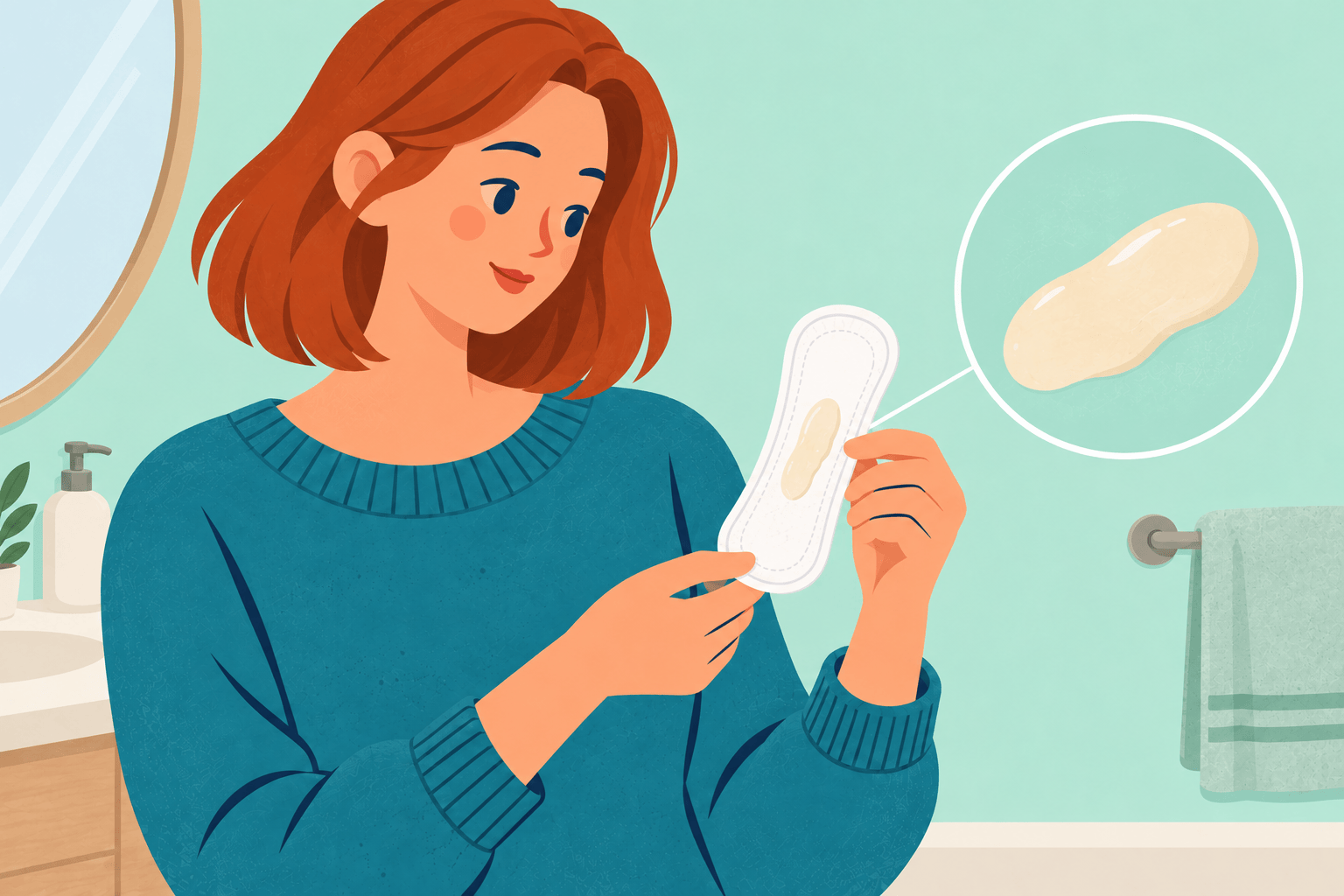
A vaginal acidity test may provide a clue, but it cannot diagnose every cause on its own. The discharge changes overview explains why appearance also has limits. Ask whether your sample covers the concern you came about and whether other tests are needed.
Understand the collection options
For some tests, you may be offered instructions to collect a vaginal sample yourself. For chlamydia testing using an appropriate molecular test, a properly collected patient sample in a clinical setting performs comparably to one collected by a clinician. That does not mean every home test or collection method is interchangeable.
If an examination is needed, the clinician may use a speculum to see inside the vagina and collect fluid with a small swab. You can discuss discomfort, ask for an explanation before each step, and ask for the examination to stop. Tell the service beforehand if particular adjustments would help.
Prepare without overcleaning
Follow the clinic’s instructions and disclose any vaginal treatments, recent antibiotics, or products already used. Do not douche to prepare. You do not need to remove normal discharge before an appointment.
Ask the service if you are unsure about testing during bleeding or after treatment. Do not delay urgent assessment to achieve ideal sampling conditions, especially if there is pelvic pain with discharge.
Interpret results with your symptoms
A negative result only addresses the conditions tested and the limits of that test. For example, microscopy can miss some infections, and a negative cervical chlamydia or gonorrhea result does not exclude PID. Persistent symptoms may need another test or assessment for a noninfectious cause.
Conversely, detecting yeast without symptoms does not automatically require medicine. Before leaving, ask when results will arrive, who will explain them, and what to do if symptoms continue. Contact the service again for worsening symptoms rather than waiting indefinitely for a message.
References
- CDC: Conditions causing vaginal symptoms (opens in a new tab)
- CDC: Chlamydial infections and testing (opens in a new tab)
- CDC: Vulvovaginal candidiasis (opens in a new tab)
- CDC: Pelvic inflammatory disease (opens in a new tab)
- NHS: Vaginitis (opens in a new tab)
- Office on Women’s Health: Douching and vaginal care (opens in a new tab)

Lifeing Editorial
Stories for a little more understanding, a little more reassurance, and the everyday moments in between.
Related posts

Vaginal symptoms that return: Preparing for a Repeat Consultation