
Pelvic pain after an infection: When Symptoms Need Reviewing
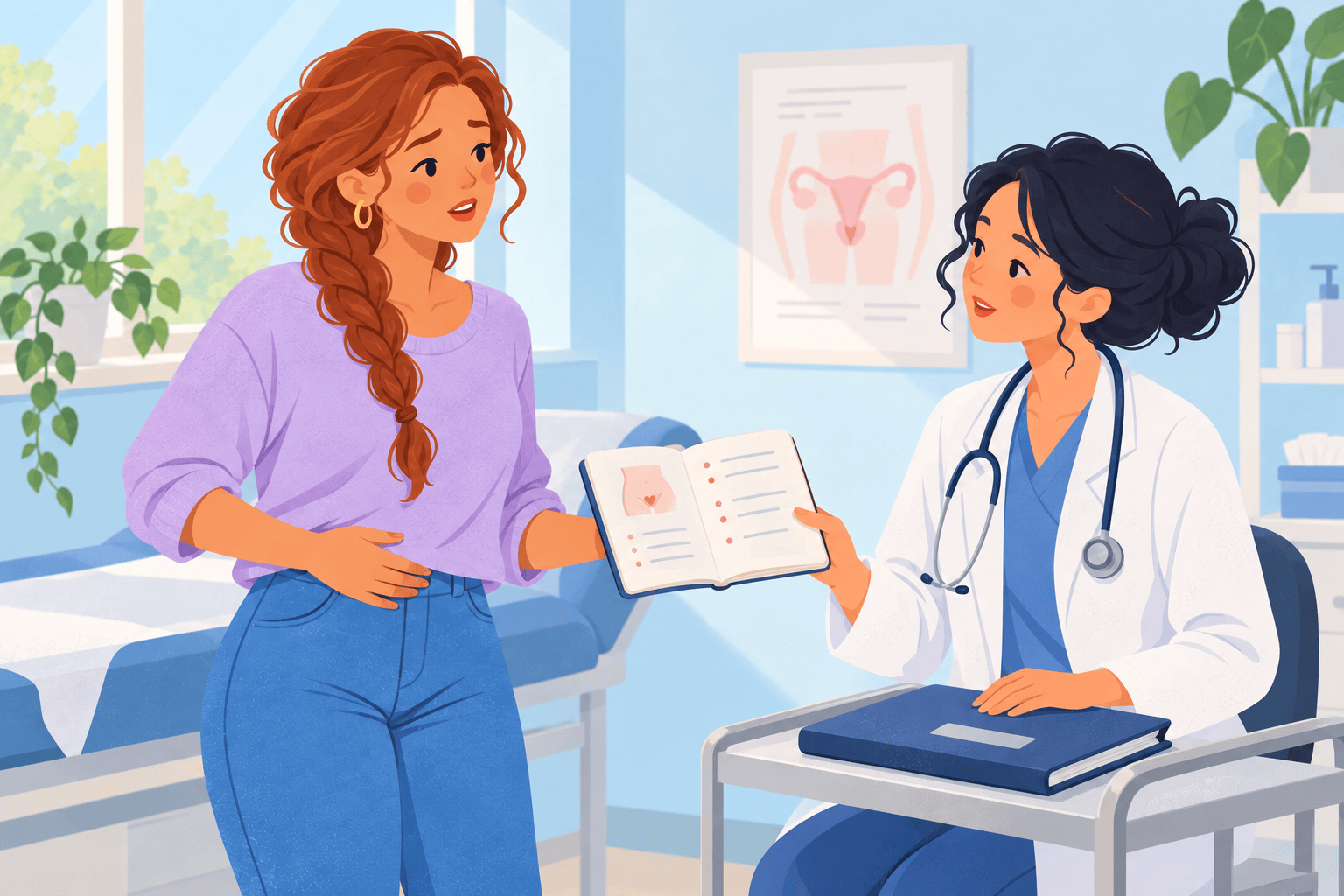
Pelvic pain that continues after an infection deserves review. It does not automatically mean treatment failed, but it should not be dismissed as something you must simply tolerate. The timing, severity, and accompanying symptoms help determine how quickly you need reassessment.
Do not wait through deterioration
During treatment for pelvic inflammatory disease, symptoms should begin improving within about three days. If they are not improving, contact the treating service promptly. Worsening pain, fever, vomiting, or difficulty taking antibiotics needs earlier advice.
Severe or worsening pelvic pain, fainting, shoulder tip pain, breathing difficulty, or heavy vaginal bleeding with pelvic pain needs emergency care. Possible pregnancy with pelvic pain also requires urgent assessment, even without a positive test.
The PID treatment guide explains the difference between early recovery review and later infection testing.
Persistent pain has more than one explanation
A clinician may need to assess continuing infection, repeat infection, an abscess, or another condition. After an infection has resolved, some people experience persistent pelvic pain. Other contributors can include bowel or bladder problems, endometriosis, or muscles and nerves involved in pain.
Symptoms alone cannot show whether scarring is present or establish that all pain comes from a previous infection. A normal test does not mean the pain is imaginary. Equally, another antibiotic course is not automatically the right treatment when active infection has not been established.
Bring a short treatment timeline
Write down when symptoms began, which medicines were prescribed, whether you completed them, and what improved or returned. Include any results you have, partner treatment advice, and whether there has been a new possible exposure.
Describe effects on sleep, movement, sex, work, and bowel or bladder function. The persistent pelvic pain history guide can help keep this concise and useful.
Ask for a continuing care plan
Depending on the findings, care may involve further testing, a specialist referral, pain treatment, or support for associated muscle, bowel, or bladder symptoms. Agree when the plan should be reviewed and what would trigger an earlier appointment.
If future pregnancy is a concern, ask about your individual history rather than assuming infertility. PID can increase fertility and ectopic pregnancy risks, but having had an infection does not tell you exactly what will happen in a future pregnancy.
References

Lifeing Editorial
Stories for a little more understanding, a little more reassurance, and the everyday moments in between.
Related posts


Pelvic pain with fever: When to Get Urgent Medical Advice