
Periods and sports in puberty: Supporting Participation and Comfort
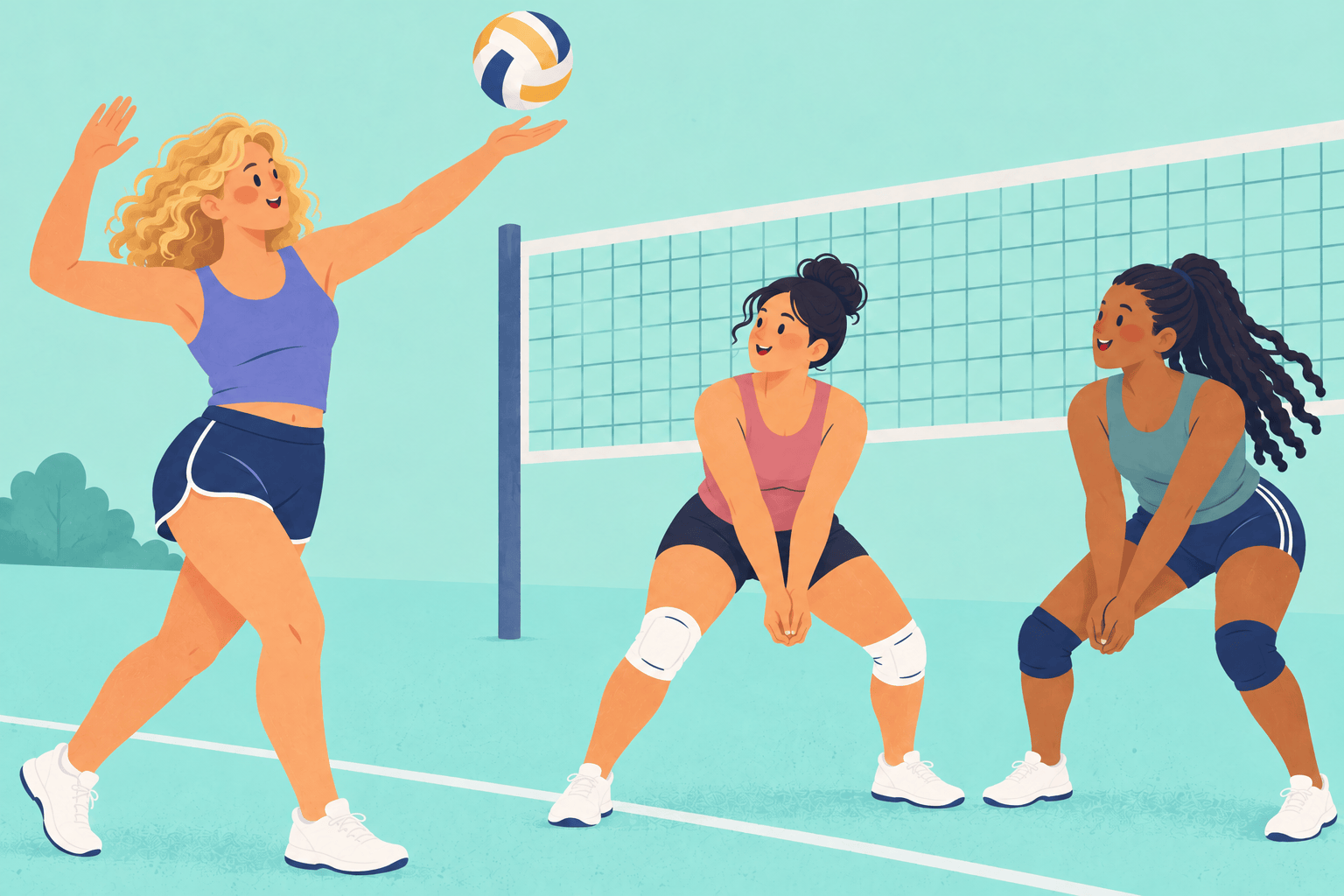
Having a period does not automatically mean a young person must miss sport. The useful plan considers how they feel, which products they prefer, and whether changing facilities and breaks are available.
Make participation a practical choice
Ask what would help during training or a match. It could be a bathroom break, spare clothing, a familiar product, or permission to adjust the session when symptoms are troublesome. A young person should be able to request these things without explaining their cycle to the whole team.
For swimming, tampons, cups, and purpose designed period swimwear are options. The swimming guide explains how to keep product care and changing times manageable. Trying a new product does not need to happen on competition day.
Take pain and heavy bleeding seriously
A coach can help with access and flexibility, while a clinician assesses symptoms that repeatedly interrupt sport. If cramps prevent participation, or bleeding soaks products quickly, arrange medical advice rather than treating the problem as a lack of motivation.
Our teen cramp guide describes relief and review. Keep the focus on the athlete’s comfort and health instead of comparing how other teammates manage their periods.
Do not celebrate periods disappearing
Missed or widely spaced periods during intensive training are not proof that training is going well. One possible explanation is that food intake is not meeting the combined energy needs of exercise, growth, and ordinary body functions.
This can happen unintentionally, including when a busy schedule makes regular meals difficult. Low energy availability can affect reproductive hormones, bone health, recovery, and performance. Repeated injuries, fatigue, slower growth, or periods stopping should prompt assessment rather than a new diet rule.
Involve the right support
A gap of about three months between periods deserves medical advice, even in the early years. A clinician can consider several possible causes and may involve a sports dietitian or other specialists. Avoid trying to diagnose energy deficiency from appearance alone.
Families and coaches can help by making meals, rest, changing facilities, and health appointments easier to access. Training adjustments should follow the individual care plan. The aim is continued healthy participation, with symptoms taken seriously when the body needs support.
References
- UNICEF: Talking with a child about periods (opens in a new tab)
- American Academy of Pediatrics: Energy deficiency in young athletes (opens in a new tab)
- American Academy of Pediatrics: Menstrual disorders in teens (opens in a new tab)
- Wirral Community Health and Care NHS Foundation Trust: Period products and swimming (opens in a new tab)

Lifeing Editorial
Stories for a little more understanding, a little more reassurance, and the everyday moments in between.
Related posts
Periods every two weeks: When Frequent Bleeding Needs Checking