
Pink discharge: How Blood Can Change Discharge Color

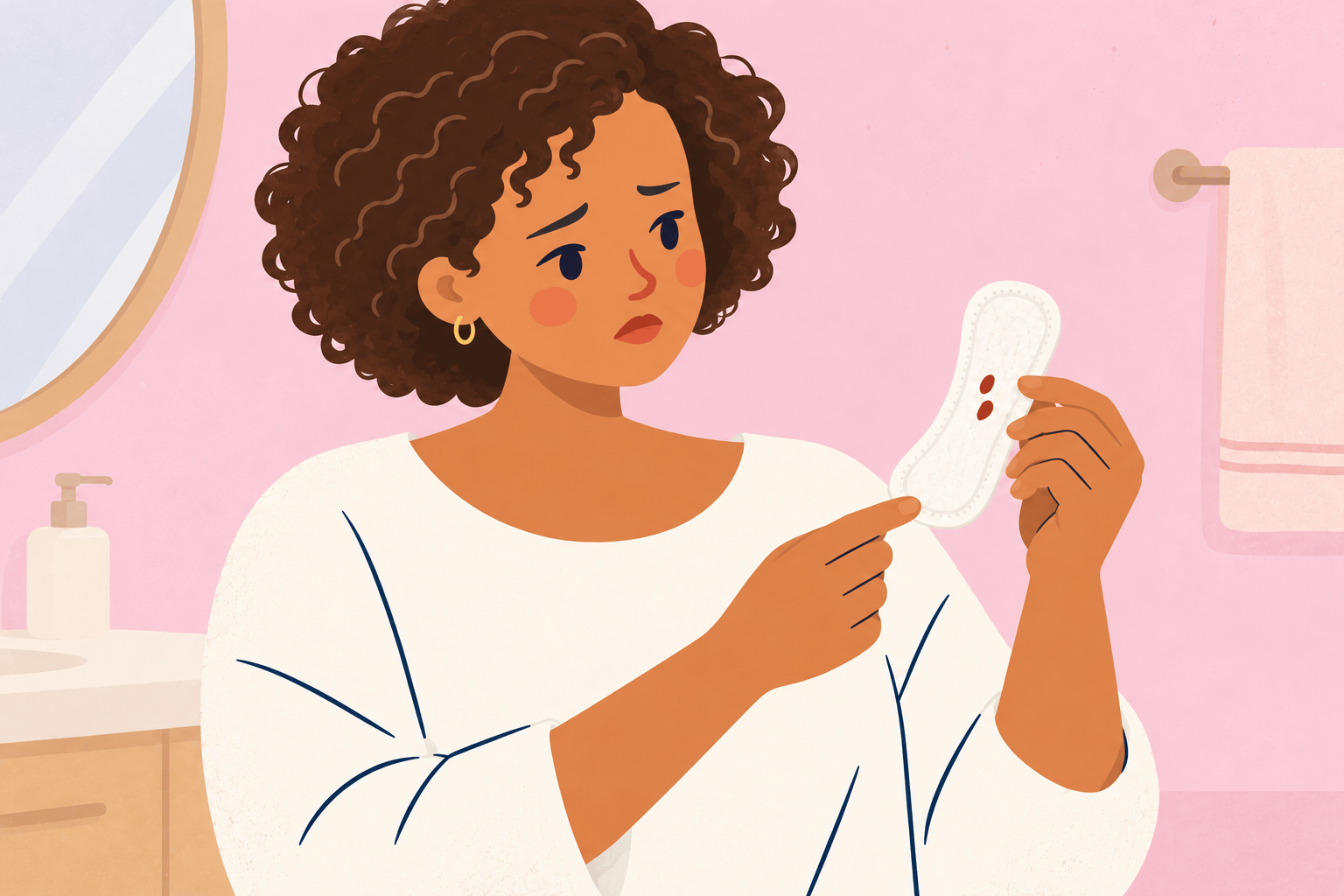
Pink discharge can happen when a small amount of blood mixes with vaginal fluid. That describes its appearance rather than its cause. The next useful questions concern timing, pregnancy possibility, other symptoms, and whether this is a new change for you.
Keep color in context
A pale stain can look different on underwear, toilet paper, or a liner. You do not need to find the perfect shade description. “A little pink fluid when wiping” is enough to begin a conversation.
For discharge changes, note any new odor, itching, soreness, pain when urinating, or pelvic pain. These details can help guide assessment. Pink does not identify a particular infection, and a photograph cannot replace appropriate testing.
What if blood appears as streaks?
Blood may be visible within mucus rather than tinting all of the fluid pink. The same questions about timing, pregnancy, pain, and recurrence still apply. Streaks do not identify where bleeding began or establish its cause.
Describe whether the blood appeared around a period, after sex, or at another time. Do not dismiss it solely because most of the discharge looks unchanged.
Distinguish expected timing from unexplained bleeding
Record whether this appeared around your usual period, between periods, or after sex. Mention hormonal contraception or a recent change in treatment. Unexplained bleeding between periods or after sex should be checked even when the amount is small.
Our guide to spotting between periods can help you describe the pattern. Avoid starting an infection treatment simply because an online chart associates pink with one condition.
Use pregnancy testing and advice appropriately
The appearance of discharge cannot confirm implantation, pregnancy, or pregnancy loss. If pregnancy is possible, use a pregnancy test according to its instructions and the timing of your cycle.
If you are pregnant, contact your maternity team or another appropriate pregnancy service promptly about bleeding, including light spotting. The pregnancy bleeding guide explains escalation. Severe abdominal pain, shoulder pain, faintness, or heavy bleeding needs emergency care rather than monitoring the color at home.
Mention menopause and recurrence
Pink or blood stained discharge after menopause needs assessment, even once. Tell the clinician about hormone treatment and when your periods stopped.
For an appointment, bring a brief sequence of dates and symptoms. Ask what the results will clarify and what to do if discharge continues. A small amount of blood is still information worth sharing; you do not need heavier bleeding to justify getting help.
References

Lifeing Editorial
Stories for a little more understanding, a little more reassurance, and the everyday moments in between.
Related posts

Planning a second pregnancy: Revisiting Your Health Since the First Birth