
PMDD and sleep: Tracking How Rest and Mood Interact

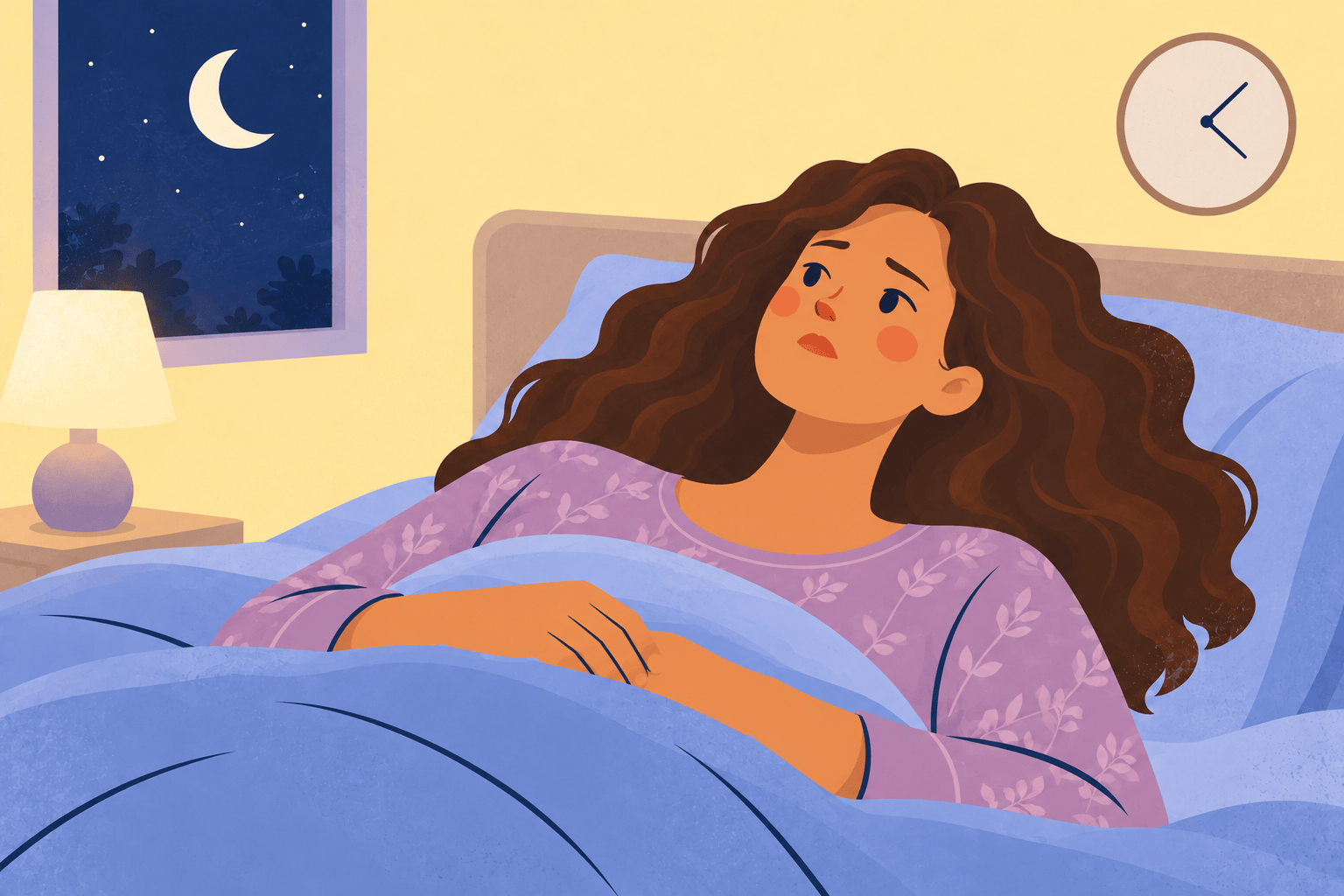
Sleep difficulty can be part of PMDD, while poor sleep can also make mood and daily functioning harder to manage. The relationship may work in both directions. A useful record looks at sleep, daytime symptoms, and treatment changes together rather than assuming every difficult night has one cause.
Record the kind of sleep problem
Note whether you struggle to fall asleep, wake repeatedly, sleep much longer than usual, or wake without feeling rested. Add approximate times and how you function the next day. Keep the record brief enough that it does not become a nightly task that adds stress.
The premenstrual tracking guide can hold these notes alongside bleeding and mood. Include the rest of the cycle so that continuing sleep problems are not hidden by a focus on the days before menstruation.
Mention medicines and other symptoms
Some mental health medicines can affect sleep or alertness. Record when a medicine was started or changed, and discuss the timing with your prescriber. Do not move doses or add a sleep aid without checking the plan.
Tell a clinician about loud snoring, gasping during sleep, observed breathing pauses, or repeated daytime sleepiness. Those signs can require assessment for a sleep disorder rather than being assigned automatically to PMDD.
Build a routine that supports treatment
A consistent waking time, a quieter wind down period, and a dark comfortable sleep space can be helpful starting points. Notice how caffeine and alcohol affect your sleep. Our sleep before menstruation guide offers practical ways to begin.
These habits can support care without being a complete treatment for severe PMDD or persistent insomnia. If the routine is not helping, explain that at an appointment rather than increasing the pressure to sleep perfectly.
Review function and safety
Ask for help if poor sleep persists or affects daily activities. Do not drive when sleepy, and discuss work or caregiving tasks that require alertness. Bring both sleep notes and mood notes to a PMDD review.
If worsening mood includes suicidal thoughts, seek immediate crisis support. If you cannot stay safe, get emergency help. A plan to improve sleep should not delay care for severe emotional distress.
References

Lifeing Editorial
Stories for a little more understanding, a little more reassurance, and the everyday moments in between.
Related posts

PMDD at work: Planning Support Around Your Symptom Pattern