
Pregnancy insomnia: Building a More Comfortable Night Routine
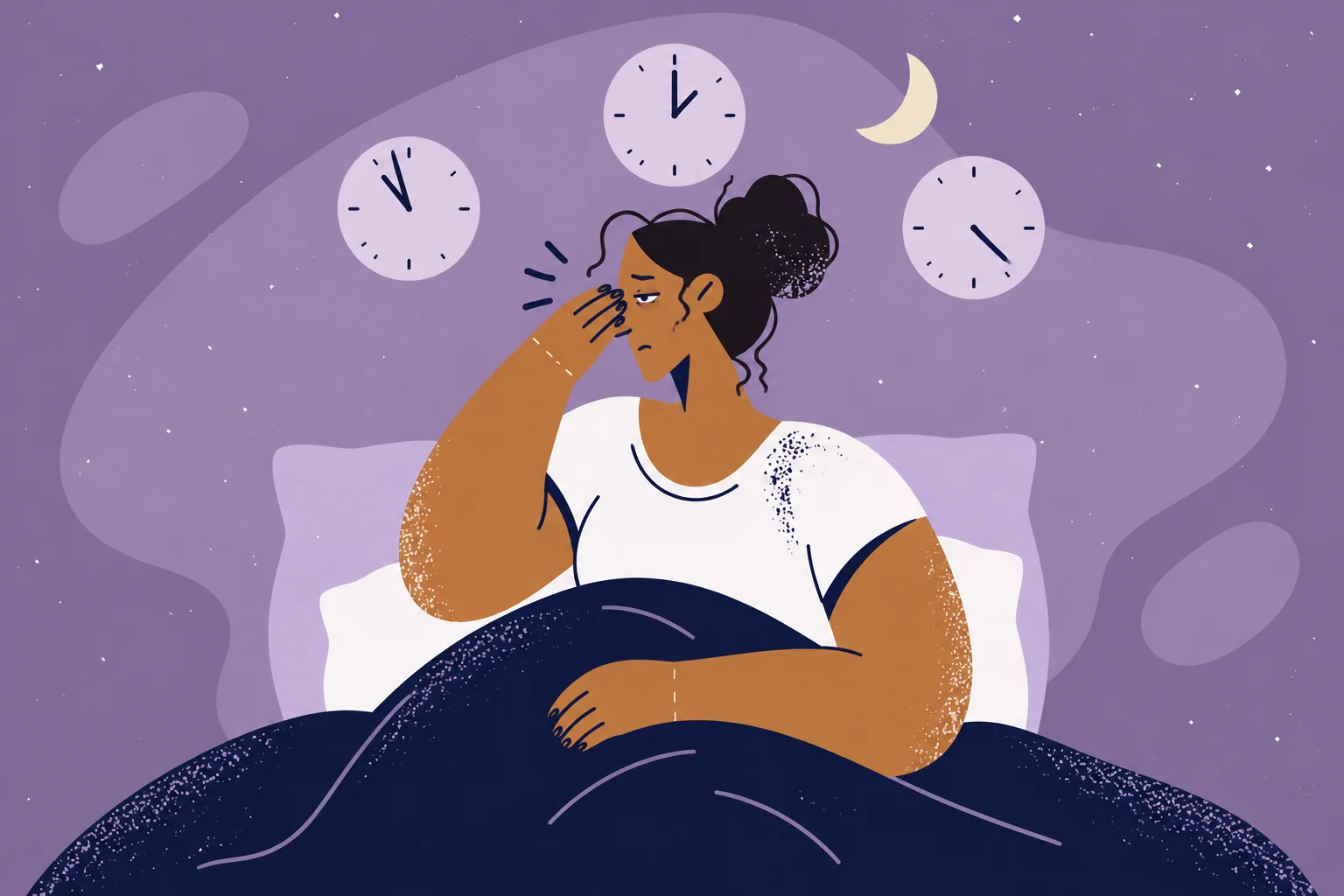
Pregnancy insomnia can mean difficulty falling asleep, waking repeatedly, or being unable to return to sleep after a bathroom trip. Discomfort, nausea, reflux, and worries can all affect nights. A useful plan looks at what is keeping you awake instead of treating sleep as a test of discipline.
Choose one barrier to address
If you are uncomfortable, try adjusting pillow support. If reflux is the problem, review evening meal timing with the advice in pregnancy heartburn. If thoughts keep circling, write down the question or task for the next day before settling down.
Keep the evening routine simple and reduce caffeine near bedtime. If afternoon naps leave you wide awake at night, consider whether their timing needs changing. Different routines suit different work and caring responsibilities.
Follow side sleeping advice in later pregnancy
After 28 weeks, settle to sleep on your side, either left or right. If you wake on your back, turn onto your side and settle again. You do not need to panic or keep checking your position throughout the night.
A pillow supporting your bump or between your knees may make side lying more comfortable. Ask for advice if pain makes the recommended position difficult.
Check before taking a sleep product
Discuss sleeping tablets, antihistamines, supplements, or herbal remedies with a clinician or pharmacist before use. A product sold as natural is not automatically suitable in pregnancy.
Mention other medicines and whether poor sleep is affecting concentration, work, or safe driving. Do not drive when sleepy. Persistent insomnia deserves a conversation, not only another tip about bedtime. A clinician may suggest cognitive behavioural therapy for insomnia or assess another possible sleep disorder.
Include mood and daytime function
Tell your midwife or doctor if sleeplessness comes with hopelessness, persistent anxiety, or losing interest in things you normally enjoy. Support and treatment are available.
The guide to fatigue in pregnancy explains why marked daytime exhaustion may need a broader assessment. Ask what the next step will be if the sleep changes you try do not help.
References

Lifeing Editorial
Stories for a little more understanding, a little more reassurance, and the everyday moments in between.
Related posts


Pregnancy medical history: Information Your Care Team Needs