
Prenatal yoga: Choosing a Class and Adapting Positions

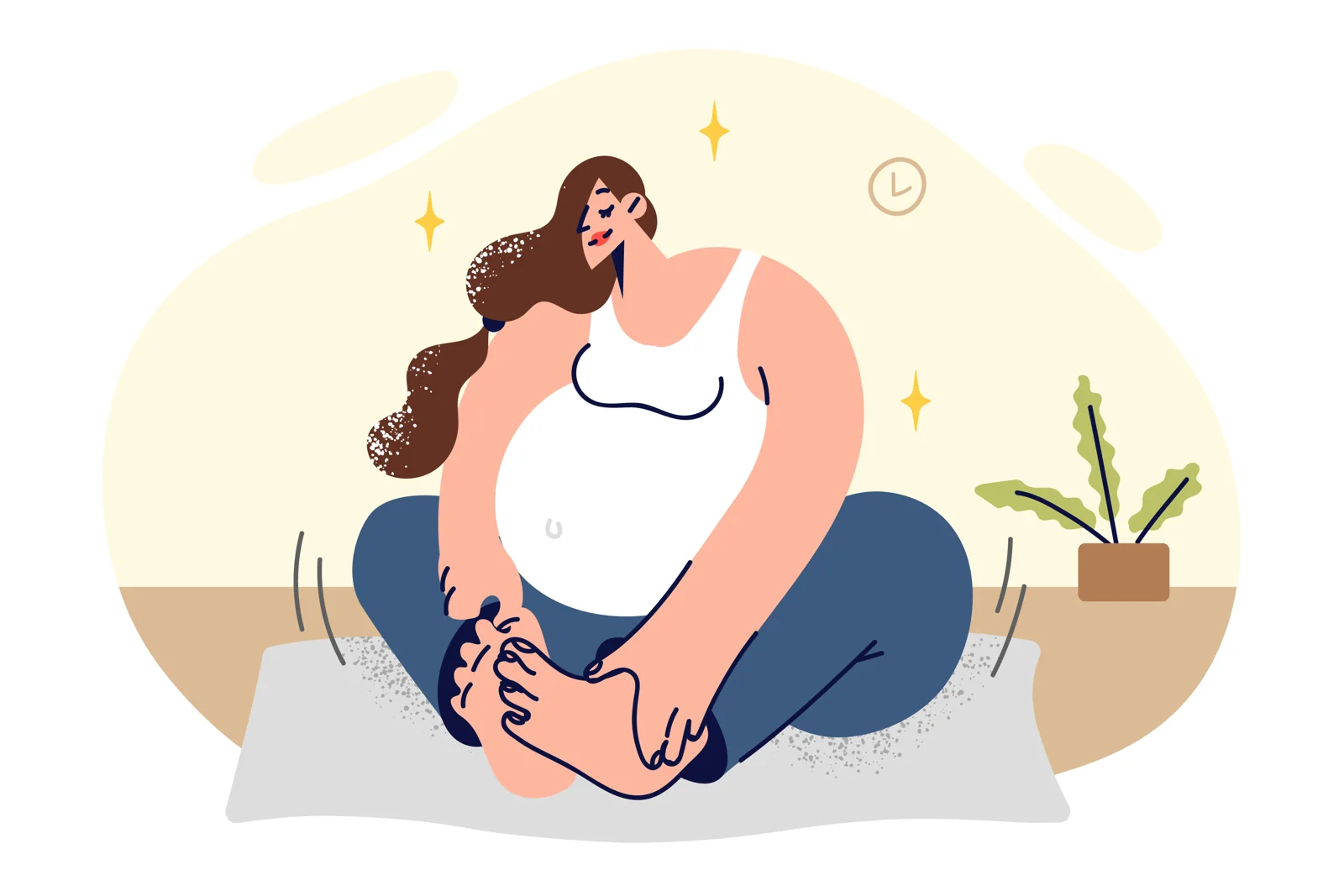
A prenatal yoga class can make space for gentle movement, breathing and relaxation. The useful question is whether the class can adapt to your pregnancy, experience and symptoms. A pregnancy label alone does not tell you how an instructor will respond when a position is uncomfortable.
Ask about the class before joining
Look for an instructor with pregnancy teaching experience. Explain how many weeks pregnant you are, whether you have practised yoga before and any advice from your maternity team. Ask how beginners are supported and whether alternatives are demonstrated rather than left for you to invent.
If you have a pregnancy complication or have been advised to limit activity, check the plan with your clinician first. The pregnancy exercise guide explains how previous activity and current health affect starting a routine. Being new to yoga is a reason to begin gently, without trying to match an experienced participant.
Make positions adjustable
Pregnancy changes balance and how joints feel. Use a stable support when needed, avoid forcing a stretch and come out of any position that hurts. Avoid hot yoga and choose a comfortable environment with access to water.
Prolonged lying flat on your back should be avoided as pregnancy advances, particularly after 16 weeks. Tell the teacher before a relaxation sequence so they can offer a supported side position. You can ask for an adaptation before discomfort begins.
Pelvic pain may make wide leg positions or standing on one leg difficult. Do not use a deeper stretch to push through that pain. The guide to pelvic girdle pain describes why assessment and individual movement advice can be useful. Difficulty walking, climbing stairs or turning in bed is worth discussing with your midwife.
Keep the session flexible
You can skip a pose, rest or leave early. Consider a place in the room where you can see the teacher and reach your support easily. Agree beforehand how to signal that you need help, especially if the class is large or online.
Stop for dizziness, unusual breathlessness or pain. Bleeding, a possible waters leak or painful contractions needs prompt maternity advice. A class is not the place to test whether a concerning symptom will disappear with a different pose.
Afterwards, note which movements were comfortable and which needed changing. Bring that information to the next class or appointment. The aim is a manageable activity that can change with you, without promises that a particular pose will determine how birth unfolds.
References

Lifeing Editorial
Stories for a little more understanding, a little more reassurance, and the everyday moments in between.
Related posts

Planned cesarean: Preparing for the Day of Surgery