
Stress and delayed periods: Understanding the Connection
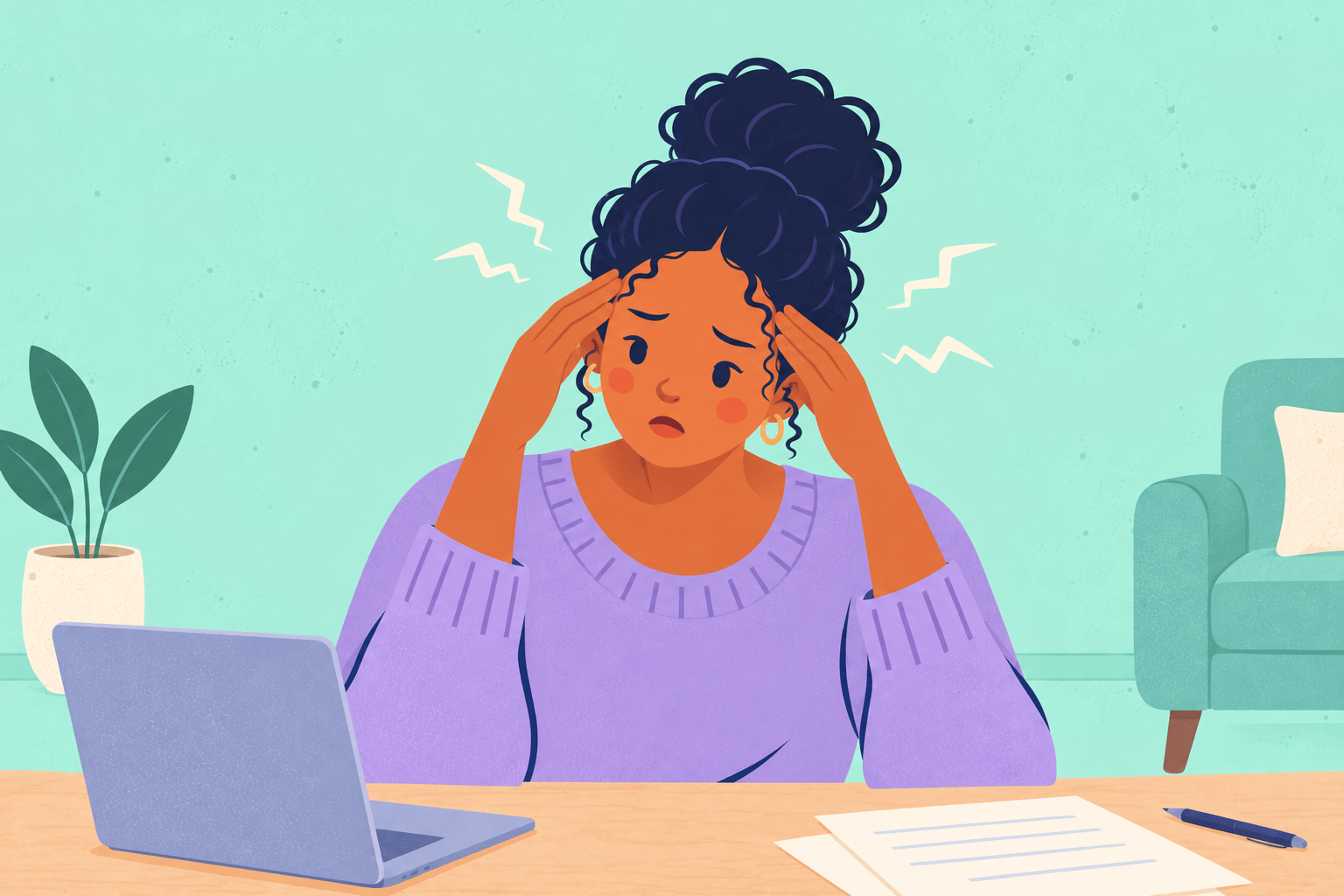
Stress can be one factor when a period arrives late, but it is not a diagnosis you can make from a difficult week. Menstrual timing also changes for other reasons, including pregnancy, contraception, and health conditions. A useful plan makes space for both emotional support and appropriate medical checks.
Notice the timing without blaming yourself
The hormonal signals involved in ovulation can be affected by physical or psychological stress. That does not mean a delayed period proves you were too anxious, or that relaxing on demand will make bleeding begin.
Write down when the stressful event occurred alongside your actual period dates. Include changes in sleep, appetite, exercise, and medicines if relevant. These details are clues for a conversation, not a score of how well you handled the situation.
Check pregnancy possibility separately
If pregnancy is possible, use an appropriately timed test even when stress seems like a convincing explanation. Testing too early can produce a negative result that needs repeating.
The guide to a negative test and no period explains how to choose a next step without repeatedly testing at random.
Ask for support that fits the problem
Consider what would make the next few days more manageable: help with a task, a regular opportunity to eat, or a conversation with someone you trust. These are practical supports rather than guaranteed treatments for a missing period.
If anxiety, low mood, or problems around food are affecting daily life, tell a healthcare professional. You do not need to wait for a period problem to become severe before discussing your wellbeing.
Keep an assessment plan
Arrange medical advice if you miss three periods in a row, or earlier if other symptoms concern you. The article on three missed periods outlines useful information to bring.
A clinician should consider other causes before attributing absent periods to a stress related hormonal disruption. Ask, “What else do we need to rule out, and when should I return if my period has not restarted?”
References

Lifeing Editorial
Stories for a little more understanding, a little more reassurance, and the everyday moments in between.
Related posts

Stress and infertility: Separating Emotional Burden From Blame