
Stress and infertility: Separating Emotional Burden From Blame
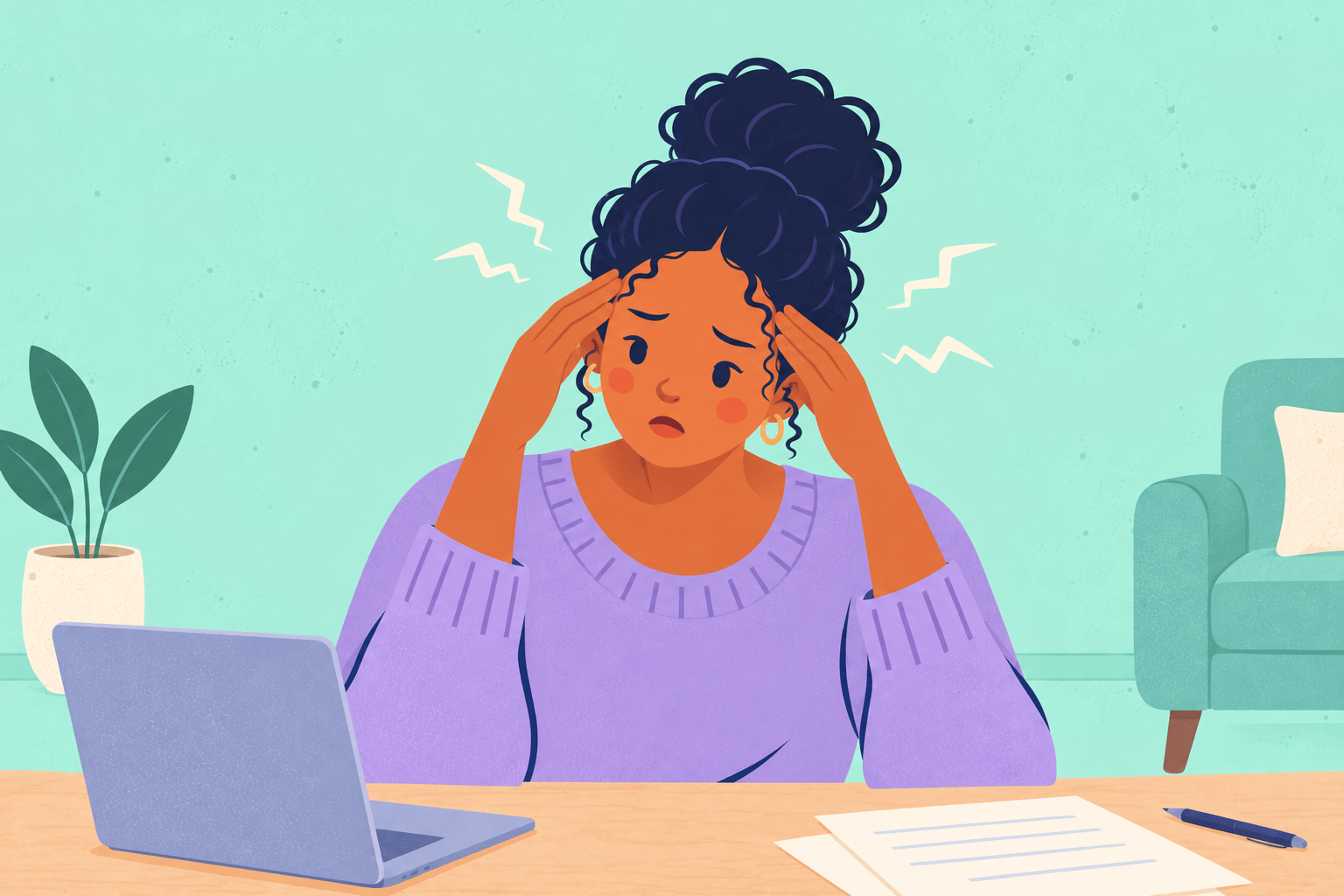
Infertility can bring uncertainty, grief, frustration and strain on relationships. Being told to relax can add another burden: the idea that you must feel calm enough to deserve a pregnancy. You can seek emotional support because this experience is difficult, without treating your feelings as the explanation for infertility.
Avoid turning uncertainty into blame
The relationship between stress and fertility is not fully understood. Reducing distress can improve wellbeing and help you manage decisions, but it does not by itself guarantee pregnancy. A difficult week or an anxious thought cannot tell you why a cycle did not work.
Stress can also be discussed when assessing menstrual changes, alongside other possible causes. The stress and delayed periods guide addresses that separate question. A possible effect on cycle timing should not become a blanket explanation for every person’s fertility difficulties.
Ask for the kind of help you actually want
Support can be practical. You might ask someone to drive you to an appointment, help prepare food, or listen without suggesting another treatment. You can tell family that you will share news when ready and do not want repeated questions about results.
If you have a partner, make room for different reactions. One person may want to talk while another needs a pause. Agreeing when to discuss appointments can protect some time for ordinary life. Neither reaction proves that one person cares more.
Consider professional and peer support
A counsellor familiar with infertility can help with coping, relationship concerns and decisions about treatment or stopping treatment. Ask about professional qualifications, relevant experience and whether individual or joint sessions are available. Support groups can offer connection, but participation is a choice; another person’s treatment story is not a prediction for yours.
If you are receiving IVF, ask the clinic about counselling before, during and after treatment. Support can be useful after a disappointing result, during another attempt, or when deciding what comes next. The sleep routine guide may also help when worry and tiredness are interacting.
Recognize when distress needs more help
Persistent low mood, loss of interest, withdrawal from other people, difficulty functioning or increasing reliance on alcohol or drugs are reasons to contact a qualified mental health professional or your usual clinician. You do not have to wait until you feel completely unable to cope.
If you are thinking about harming yourself, seek urgent mental health help. If you cannot keep yourself safe or there is immediate danger, contact local emergency services or go to an emergency department. Emotional care belongs alongside fertility care, whatever happens with conception.
References

Lifeing Editorial
Stories for a little more understanding, a little more reassurance, and the everyday moments in between.
Related posts
Sudden one sided pelvic pain: When to Seek Urgent Help