
Toddler sleep during illness: Supporting Comfort and Recovery
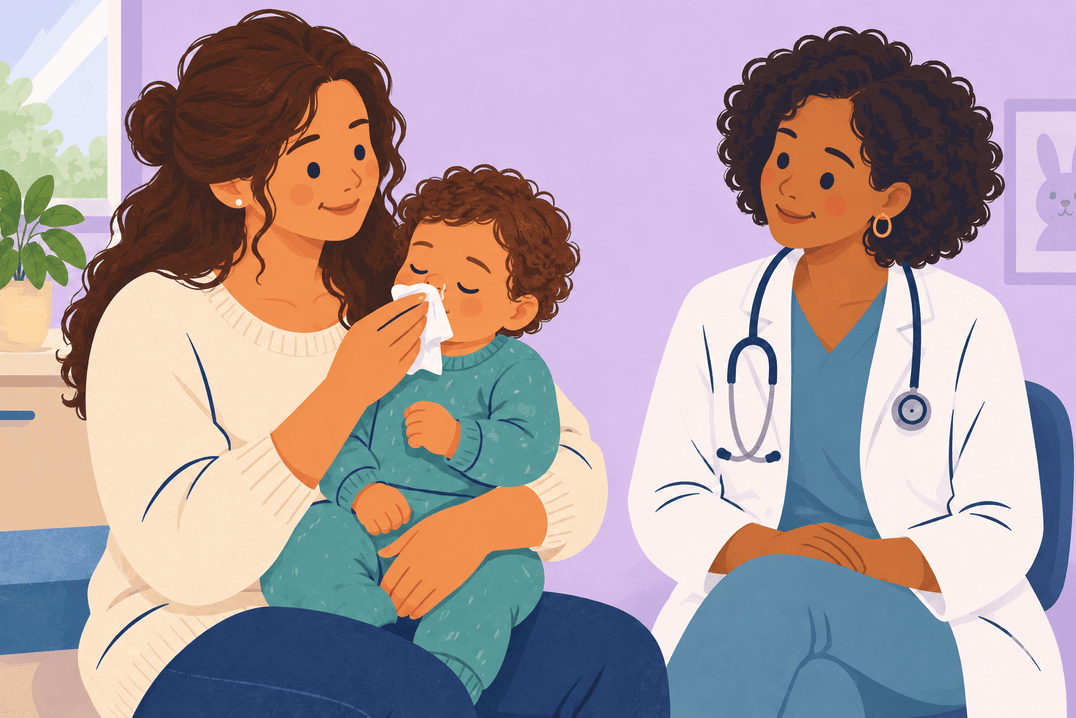
An unwell toddler may wake more often, want extra reassurance or sleep at different times. During illness, the priority is comfort and watching how they are doing. A usual bedtime plan can be flexible while you respond to changing needs.
Look beyond how many hours they sleep
A child resting after a busy illness day is different from one who is unusually difficult to wake or not responding normally. Notice breathing, drinking, urination and responsiveness alongside sleep.
Check your child regularly, including during the night. Follow any specific advice from their care team. Do not assume that a quiet room means all is well if they have symptoms that need observation.
Support fluids and ordinary comfort
Offer fluids regularly and food if they want it. Continue breastfeeding if applicable. Seek urgent advice for reduced urination or other signs of dehydration, especially when drinking is difficult.
Keep clothing and bedding comfortable without overwrapping. Do not sponge a feverish child with cold water or undress them to force their temperature down. Use a digital thermometer when checking temperature rather than relying on touch alone.
For a stuffy nose, ask a pharmacist or clinician whether saline drops are suitable. Avoid improvising a sleep position with wedges or cushions. Persistent noisy breathing after the illness needs its own assessment; our snoring guide explains that distinction.
Use medicine for the right reason
A suitable children’s paracetamol or ibuprofen product may help pain or distress. Follow the product’s age and dose instructions or your clinician’s plan, and use the supplied measuring device. Medicine is not a way to keep a child asleep.
Do not alternate paracetamol and ibuprofen unless a health professional advises it. Avoid ibuprofen if your child is dehydrated or has chickenpox, and ask first if they have asthma. Do not give aspirin to a child unless specifically prescribed.
Children under six should not receive nonprescription cough or cold remedies unless advised by a GP or pharmacist. Check ingredients to avoid accidentally giving the same medicine through two products.
Know which changes need help now
Seek emergency help if your child has serious breathing difficulty, blue or grey colour, is hard to wake, has a first seizure or develops a rash that does not fade under pressure while unwell. Do not wait for bedtime to end or for fever medicine to work.
Get urgent medical advice for dehydration, worsening illness or a fever lasting five days or longer. If you feel something is seriously wrong, seek immediate help even if the symptoms do not fit a list.
Return to the routine as recovery allows
Once your child is improving, gradually return to familiar settling steps. Our toddler night waking guide can help if disrupted nights persist after recovery. Extra care during illness is a response to a need, not evidence that the previous routine has failed.
References

Lifeing Editorial
Stories for a little more understanding, a little more reassurance, and the everyday moments in between.
Related posts


Toddler Toothbrushing Refusal: Making the Routine More Manageable