
Urinary infections while pregnant: Why Symptoms Need Prompt Attention
Burning when you urinate, a new urgent need to go or blood in the urine deserves prompt assessment during pregnancy. Contact your GP or maternity team the same day if you suspect a urinary infection. Pregnancy changes how a possible infection is managed, even when the symptoms seem mild.
Separate frequency from infection symptoms
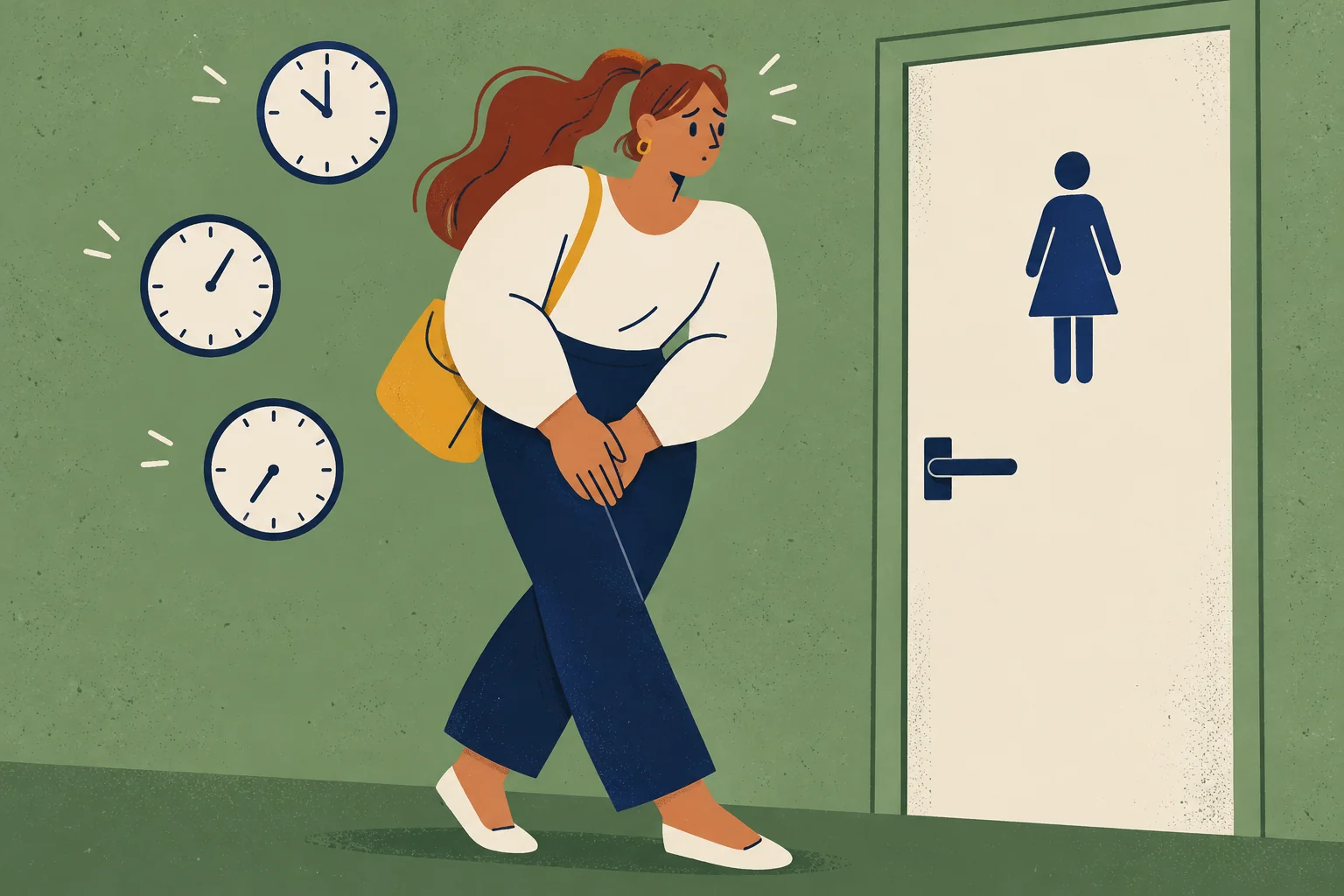
Frequent bathroom trips can happen during an uncomplicated pregnancy. Pain, cloudy urine, lower abdominal discomfort or a sudden change in urgency adds a different concern. Urine smell alone does not establish an infection and can sometimes reflect concentrated urine.
The frequent urination guide explains common pregnancy changes. Tell the clinician what is new for you, when it started and whether you have a fever or back pain. Mention previous infections, antibiotic allergies and any treatment already tried.
Expect testing and timely treatment
A clinician will usually request a urine sample for culture before antibiotics are started in pregnancy. The culture identifies bacteria and helps check which antibiotics should work. Follow the service’s instructions for providing the sample and arranging treatment.
For a lower urinary infection in pregnancy, UK guidance recommends an immediate antibiotic prescription rather than a delayed prescription to use only if symptoms persist. The choice may change when culture results return. Do not wait several days at home based on advice intended for someone who is not pregnant.
Sometimes a pregnancy urine test finds a significant amount of bacteria without symptoms. This is called asymptomatic bacteriuria. It is treated during pregnancy because it can increase the risk of kidney infection and premature delivery. Feeling well does not make that prescription unnecessary.
Follow the treatment and review plan
Take the prescribed course as directed and ask how to handle a missed dose. The pregnancy antibiotic guide explains why the exact medicine and pregnancy stage matter. Ask who will communicate the culture result and whether another urine sample is needed afterwards.
Drink regularly and do not rely on cranberry products or cystitis sachets to treat an established infection. Check any additional remedy before using it in pregnancy. Tell the team if vomiting prevents you from keeping the antibiotic down.
Recognize worsening illness
Fever, shaking chills, pain in the back or side below the ribs, or feeling increasingly unwell may suggest kidney involvement. Get urgent medical help. Seek another assessment if symptoms worsen at any time or have not started improving within 48 hours of treatment.
Confusion, marked drowsiness or difficulty speaking needs emergency care. Do not treat these as ordinary tiredness from pregnancy or wait for the urine result before seeking help.
References

Lifeing Editorial
Stories for a little more understanding, a little more reassurance, and the everyday moments in between.
Related posts
Urine tests in pregnancy: Why Your Team Repeats Them