
Uterine polyps and fertility: When Further Evaluation May Be Offered
A uterine or endometrial polyp is a growth from the lining inside the womb. It may be found during an investigation for irregular bleeding or fertility difficulties, sometimes without symptoms. Most are benign, but the finding deserves an explanation of what is known and whether further assessment would help.
Confirm what was seen
A vaginal ultrasound may identify a polyp or an area that looks thickened. Saline ultrasound can make the cavity clearer by introducing fluid through the cervix. Hysteroscopy uses a small camera passed through the cervix to examine the inside of the womb directly.
Ask whether the finding is definite and whether another test is needed before discussing removal. A polyp is different from a fibroid, although both can affect the cavity. The fibroids and conception guide explains the distinction in fertility planning.
Put fertility evidence in context
Polyps can be associated with fertility difficulties, but finding one does not prove it is the only cause. Removal may be considered when trying to conceive, and the decision depends on the appearance, symptoms and planned fertility treatment.
Some evidence suggests improved clinical pregnancy rates after removal before intrauterine insemination. The evidence is limited, and that finding is not a guarantee of live birth or proof that every polyp must be removed before every IVF cycle. Ask what evidence applies to your specific situation.
The size and location, previous treatment outcomes and any concerning features can change the recommendation. If a polyp is found during an IVF cycle already in progress, ask the team to explain the options and their effect on the treatment schedule rather than assuming the whole cycle must stop.
Prepare for a hysteroscopy discussion
If removal is recommended, ask whether it can take place during hysteroscopy and how the tissue will be examined afterward. Removed polyps are assessed in a laboratory; the result should have a clear route back to you.
Discuss pain relief before the appointment. Hysteroscopy can be very painful for some people, and alternatives involving anaesthesia or sedation may be available. You can ask for the procedure to stop. Explain any previous painful examination or other concern so the team can plan with you.
Know what happens afterward
Request written recovery advice and ask when to resume trying or fertility treatment. After hysteroscopy, worsening pain, fever, offensive discharge or bleeding that worsens or persists need prompt contact with the service.
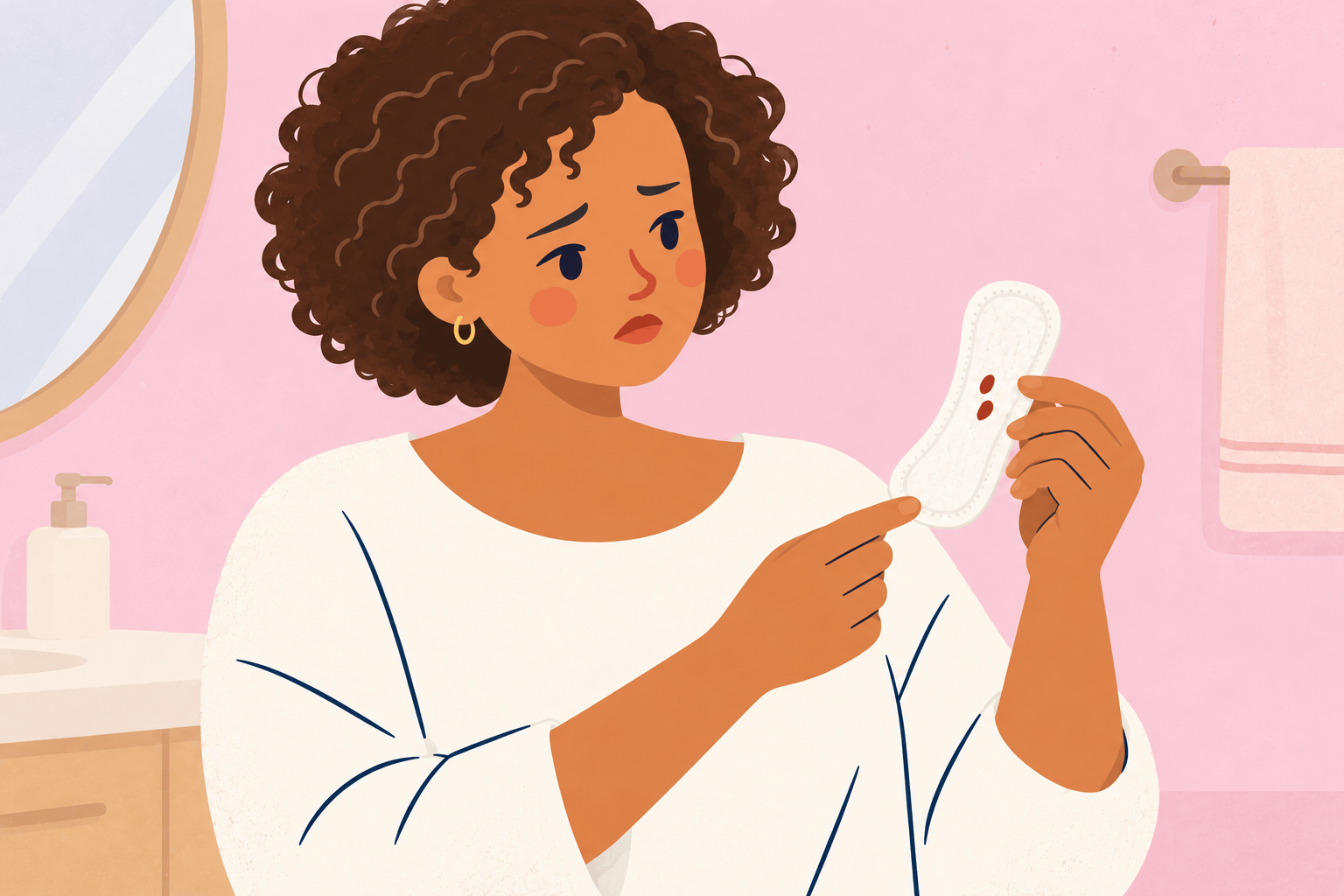
Confirm when you will receive the tissue result and whether any further review is needed. Continue the wider fertility plan while that question is resolved. If bleeding between periods continues, ask for review rather than assuming the polyp explains every episode. The spotting between periods guide explains other reasons that pattern may need assessment.
References
- Mayo Clinic: Uterine polyp diagnosis and treatment (opens in a new tab)
- British Fertility Society: 2026 guideline on endometrial polyps and fertility (opens in a new tab)
- Cochrane: Hysteroscopy for suspected uterine cavity abnormalities and fertility (opens in a new tab)
- NHS: Hysteroscopy, pain relief and recovery (opens in a new tab)

Lifeing Editorial
Stories for a little more understanding, a little more reassurance, and the everyday moments in between.
Related posts
Vaccination Appointments: Preparing Questions and Records