
Withdrawal and pregnancy prevention: What to Know About Reliability
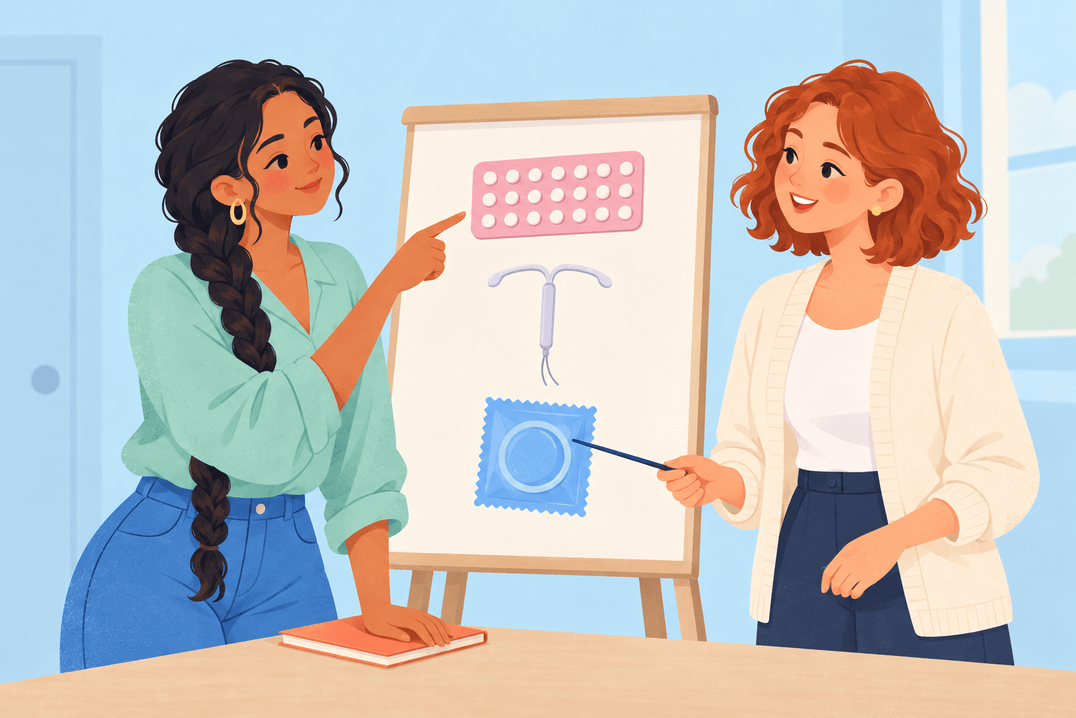
Withdrawal means removing the penis from the vagina before ejaculation and keeping semen away from the vulva and vagina. It can reduce pregnancy risk compared with ejaculation inside the vagina, but it is less dependable than many other contraceptive methods and does not protect against sexually transmitted infections.
Know where the uncertainty comes from
Ejaculation can begin before someone realizes it, and withdrawal has to happen correctly every time. Fluid released before ejaculation can also contain sperm. You cannot tell by looking whether sperm are present, so pulling out before visible semen appears is not a guarantee.
A previous month without pregnancy does not establish that the method will keep working. The calendar prediction guide explains why combining withdrawal with a guessed safe day still leaves uncertainty.
Read effectiveness figures in context
Typical use estimates suggest that roughly one in five people relying on withdrawal for a year become pregnant. This is a yearly estimate across users, not the probability from one particular episode of sex. It cannot calculate your personal risk from a brief description of timing.
If pregnancy prevention is important to you, discuss a method that is more reliable and realistic for your routine. You can also use condoms alongside another method. A condom needs to be on before genital contact, not added only near ejaculation.
Act if semen may have reached the vagina
Seek prompt emergency contraception advice if pregnancy is not wanted after a possible exposure. Mention when it happened and whether another method was being used correctly. The emergency contraception guide explains why the timing and method selected matter.
Do not wait for pregnancy symptoms before asking. When your next period date is unclear, a test at least twenty one days after the latest relevant sex gives a useful follow up point. Testing immediately cannot answer whether that episode caused pregnancy.
Make the plan a shared conversation
Agree on protection before sex and be honest if withdrawal did not happen as planned. One partner’s confidence is not a substitute for the other’s comfort with the risk. A sexual health clinician can discuss condoms, other contraception, and STI testing without requiring you to justify wanting more reliable protection.
If there was no ejaculation
Fluid released before ejaculation can leave the penis without the person noticing it. It does not always contain sperm, but there is no reliable way to check that during sex. Unprotected vaginal penetration is therefore not made risk free simply because ejaculation did not happen.
The absence of ejaculation and the absence of sperm exposure are different questions. Describe what contact took place and whether another contraceptive method was working. If there was no penetration, the guide to semen exposure without intercourse explains when direct transfer to the vulva or vagina can matter.
Do not use the length of time inside the vagina or an assumed safe cycle day to rule out pregnancy. If prevention is needed, get prompt advice. If the event has already passed, choose a useful testing date rather than relying on whether your partner felt fluid being released.
References
- Planned Parenthood: Pregnancy risk with withdrawal (opens in a new tab)
- Planned Parenthood: Sperm in fluid before ejaculation (opens in a new tab)
- NHS: Fertility awareness methods (opens in a new tab)
- WHO: Emergency contraception (opens in a new tab)
- NHS: Doing a pregnancy test (opens in a new tab)
- NHS: Condoms (opens in a new tab)
- Planned Parenthood: Withdrawal effectiveness over a year (opens in a new tab)

Lifeing Editorial
Stories for a little more understanding, a little more reassurance, and the everyday moments in between.
Related posts


Workplace Exposures and Fertility: Preparing for an Occupational Health Review