
Constipation during pregnancy: Building a Gentler Bowel Routine
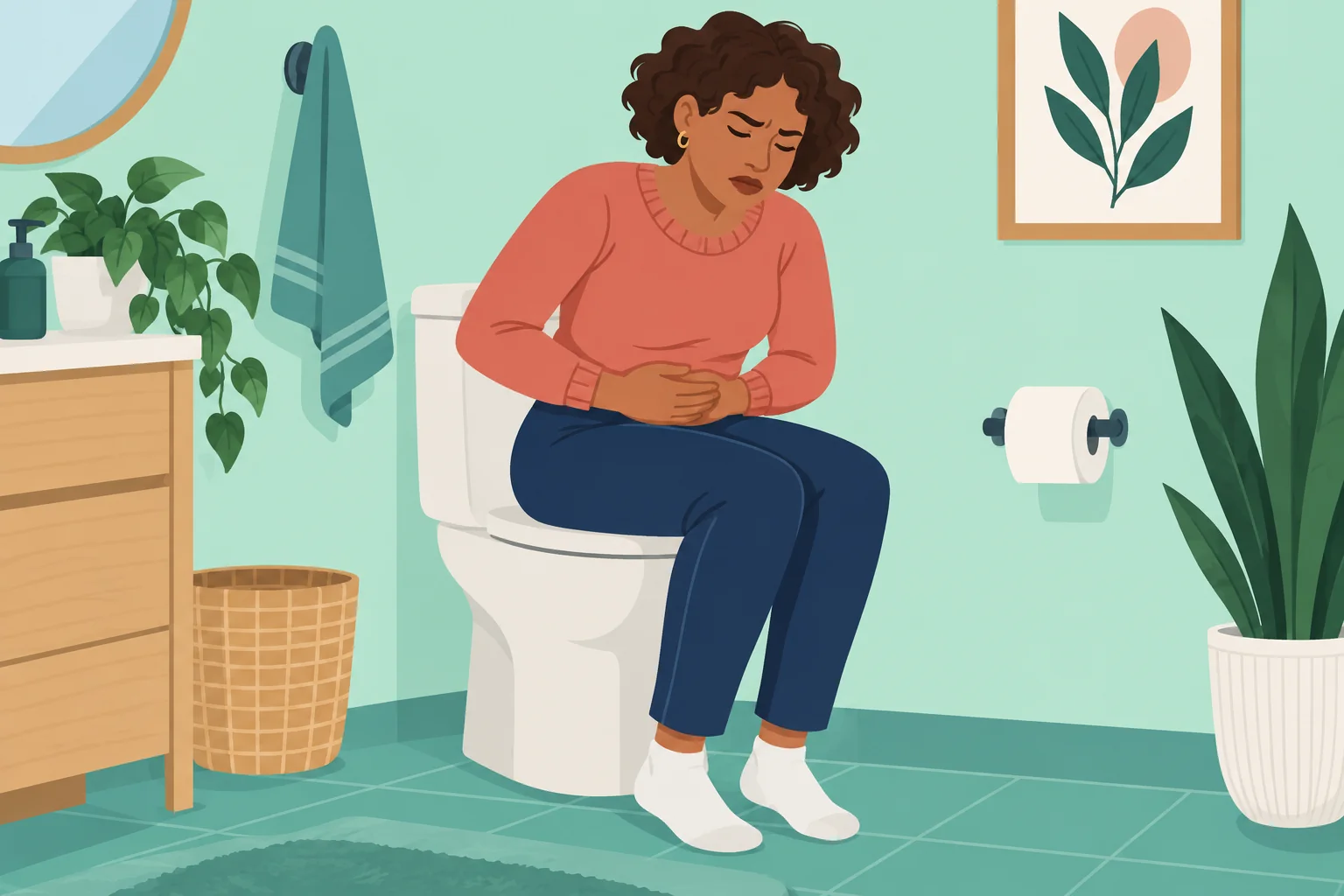
Constipation can begin early in pregnancy. Hormonal changes can affect bowel function, and some medicines or iron supplements can add to the problem. Hard stools, straining, or feeling that you have not emptied your bowel are reasons to adjust your routine and ask for help if needed.
Make changes you can repeat
Include fibre from foods such as wholegrains, fruit, vegetables, beans, or lentils, alongside adequate fluids. Gentle activity within your pregnancy care advice can also help. Choose an adjustment you can manage consistently rather than redesigning every meal overnight.
Give yourself unhurried toilet time when you feel the urge. If rushing before work makes this difficult, think about a more realistic part of the day. Try to avoid straining.
Review medicines without stopping them yourself
Tell your clinician or pharmacist about iron, nausea treatment, or other medicines you take. Ask whether a product may be contributing and whether a different preparation or treatment would help. Do not stop prescribed iron or another essential medicine without advice.
If basic changes are not enough, ask about a laxative suitable for pregnancy. The choice depends on your symptoms and other treatment. A professional may suggest a product that adds bulk to the stool, or an osmotic laxative such as lactulose or macrogol that draws water into it. Follow the directions for the specific product rather than increasing doses yourself. Avoid assuming a herbal bowel remedy is safe because it is sold without a prescription.
Mention pain and bleeding
Straining can aggravate hemorrhoids in pregnancy, but bleeding should not automatically be attributed to piles. Explain where the blood appears to come from and any associated symptoms.
Get prompt medical advice for bleeding or persistent abdominal pain. Bloating with vomiting, fever, or an inability to pass stool or wind needs urgent assessment. Sudden severe abdominal pain needs emergency help. Do not keep adding fibre or laxatives while waiting to assess those symptoms. Our guide to abdominal pain during pregnancy explains why symptoms need context.
Judge progress by comfort
The goal is a bowel movement that is easier and less painful, not matching someone else’s schedule. Tell your care team if constipation keeps returning, affects eating, or makes you dread using the toilet. A practical treatment plan should fit your actual day.
References

Lifeing Editorial
Stories for a little more understanding, a little more reassurance, and the everyday moments in between.
Related posts


Continuous pill use: Discussing Fewer or No Scheduled Bleeds