
Food allergy care at nursery: Sharing a Clear Plan With Staff

Starting nursery with a food allergy works best when the plan is clear before the first meal. Staff need more than the name of a food to avoid. They need to know how to prevent exposure, recognise symptoms and give the treatment prescribed for your child.
Arrange a care discussion before starting
Meet the nursery’s responsible staff member and share the current clinical advice. Explain confirmed allergies, foods being avoided while assessment continues and foods your child can safely eat. Avoid expanding the exclusion list simply because another child has different allergies.
Bring the written allergy action plan completed by your child’s healthcare professional. It should identify your child, the relevant allergens, signs of a reaction, prescribed treatment and emergency contacts. Our food restriction guide explains why a precise list protects both safety and nutrition.
Agree how updates will reach room staff, kitchen staff, temporary staff and anyone supervising outings. A plan stored in one person’s inbox is harder to use during a busy lunch.
Walk through an ordinary meal
Ask who checks the ingredients, approves substitutions and confirms that the correct plate reaches your child. Discuss shared utensils, crumbs, food swapping and cleaning. A familiar recipe can change when a supplier sends a different product.
Include snacks, birthday food, cooking activities and food used in play. Ask how a suitable alternative will be provided so your child can take part without an unplanned exposure. A setting’s general allergy policy supports this work but does not replace your child’s individual plan.
Make prescribed medicine accessible
Provide the medicines requested in the clinical plan, clearly labelled for your child. Agree who checks expiry dates and who is responsible for replacements. Staff should know where the treatment pack is and be able to reach it quickly while keeping it safely away from children.
Ask how staff are trained to use the exact prescribed device and how cover is maintained when the usual key person is absent. The action plan and medicines need to accompany your child on outings, not remain behind in the nursery building.
Rehearse the emergency communication
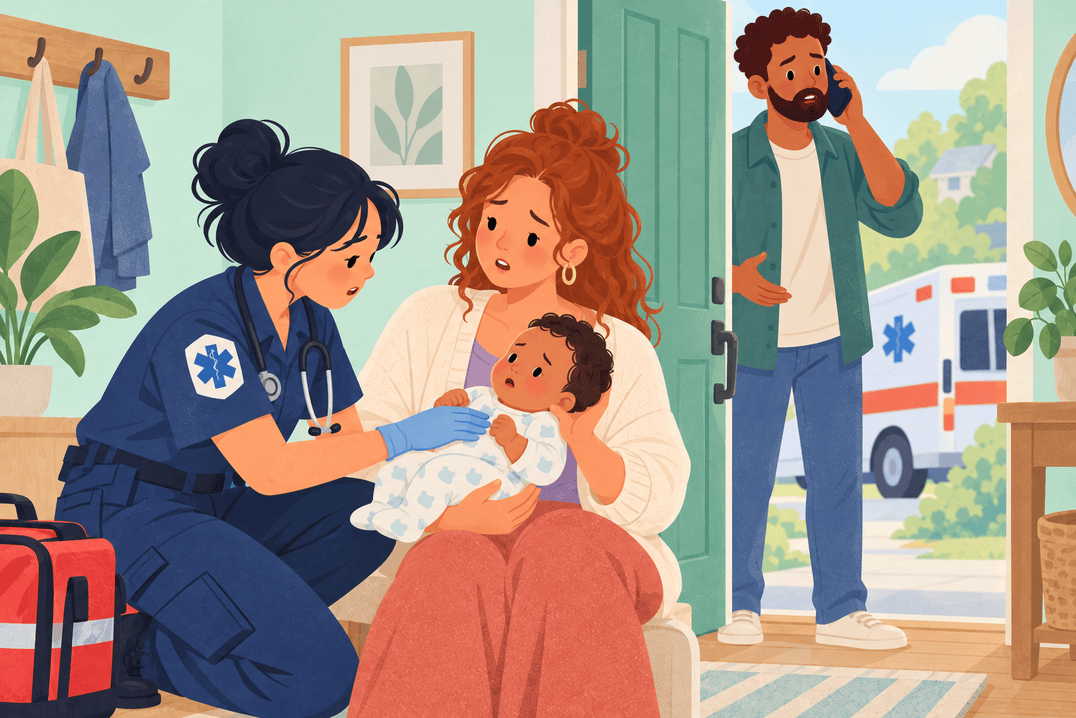
For suspected anaphylaxis, prescribed adrenaline and emergency services must not wait for a parent to arrive or answer the phone. Staff should follow the written plan and then contact you as part of the response.
Our severe reaction guide explains why improvement after adrenaline does not cancel the need for an ambulance. Antihistamines do not replace adrenaline for dangerous breathing or circulation symptoms.
Review after changes or incidents
Update the plan after the clinical team changes a diagnosis, medicine or reintroduction advice. Do not ask nursery staff to carry out an informal food challenge.
If a reaction occurs, request a factual record of the food, timing, symptoms, treatment and outcome. Our reaction diary guide can help organise the information for your child’s clinician and for reviewing what needs to change at nursery.
References
- Leeds Teaching Hospitals: Food allergy in nursery and school (opens in a new tab)
- Department for Education: Food safety for early years providers (opens in a new tab)
- BSACI: Paediatric allergy action plans (opens in a new tab)
- Food Standards Agency: Allergen checklist for food businesses (opens in a new tab)
- NHS: Anaphylaxis (opens in a new tab)

Lifeing Editorial
Stories for a little more understanding, a little more reassurance, and the everyday moments in between.
Related posts

Food allergy symptoms in babies: When to Seek Help