
Nosebleeds while pregnant: Managing Bleeding and Knowing When to Get Help
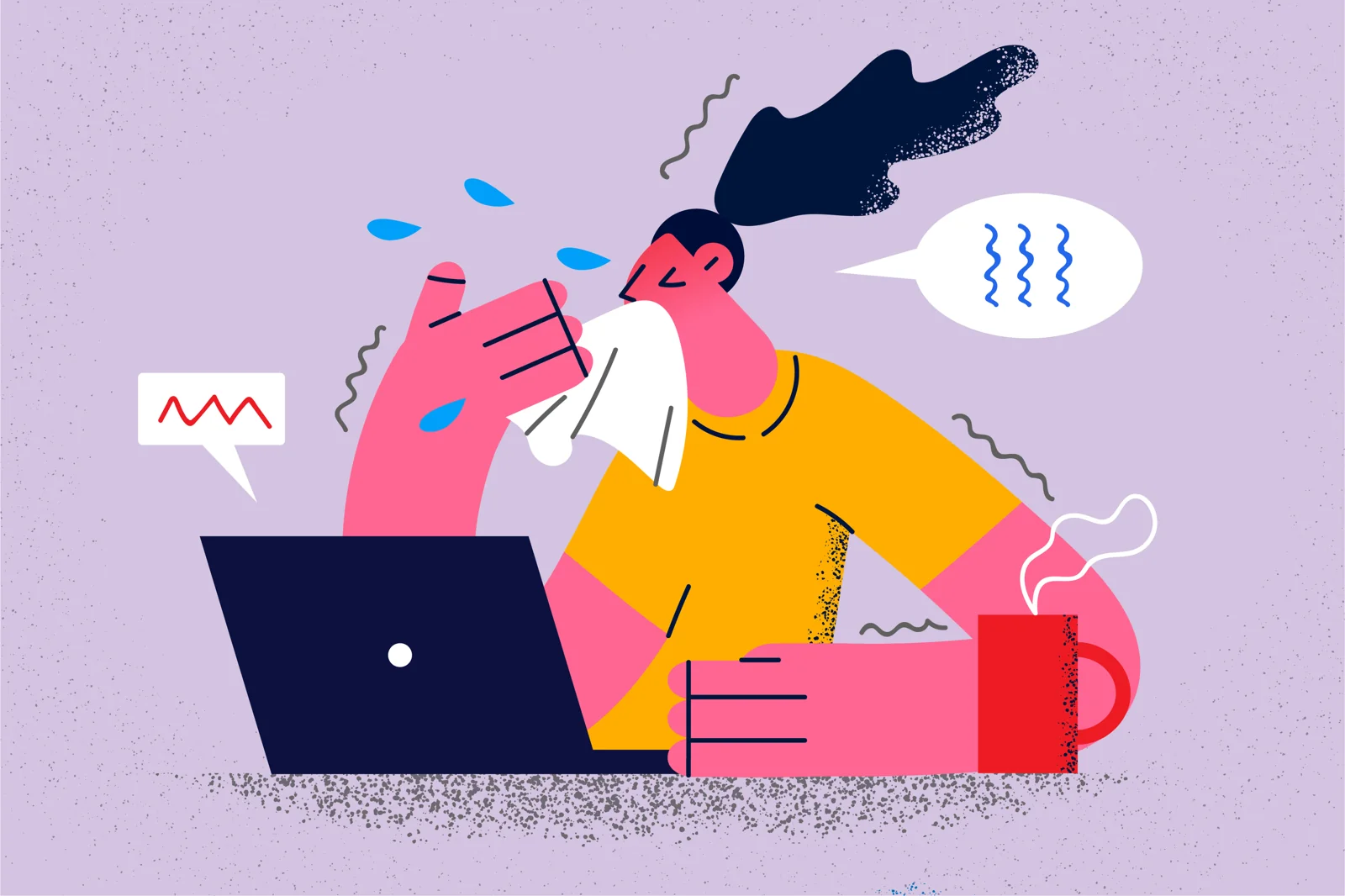
Nosebleeds are more likely during pregnancy, and many can be managed with simple first aid. The important distinction is whether bleeding stops and whether you feel well. Heavy or persistent bleeding needs medical help, even if you have had harmless nosebleeds before.
Use pressure in the right position
Sit down and lean forward with your mouth open. Pinch the soft part of your nose just above the nostrils continuously for 10 to 15 minutes and breathe through your mouth. Avoid tilting your head backward.
Use a timer if possible so you do not keep releasing pressure to check. Ask someone to stay nearby if seeing blood makes you feel faint.
Know when to seek urgent assessment
Go to an emergency department if bleeding continues beyond 10 to 15 minutes, seems excessive, follows a head injury, or involves swallowing enough blood to make you vomit. Weakness, dizziness, or breathing difficulty with a nosebleed also means you should go to an emergency department.
Call your local emergency number if you are seriously unwell. Do not drive yourself to the emergency department. Our guide to dizziness in pregnancy covers related situations.
Be gentle after bleeding stops
For the following day, avoid blowing or picking your nose, hot drinks, heavy lifting, and strenuous exercise. Ask a pharmacist about suitable care if the inside of your nose feels persistently dry or irritated.
Do not insert a medicine or cream without checking that it is appropriate for you, particularly if you have allergies or take regular treatment.
Discuss repeated episodes
Arrange a medical review if nosebleeds keep returning. Mention blood thinning medicines, other bleeding, easy bruising, or symptoms such as breathlessness and palpitations. Do not stop a prescribed medicine yourself.
The article on fatigue and possible anemia explains why symptoms may lead to a blood test rather than an assumption. Bring a short account of how often bleeding happens and how long it usually lasts.
References

Lifeing Editorial
Stories for a little more understanding, a little more reassurance, and the everyday moments in between.
Related posts

One day periods: Understanding a Suddenly Shorter Bleed