
Pelvic floor exercises in pregnancy: Learning the Technique and When to Seek Help
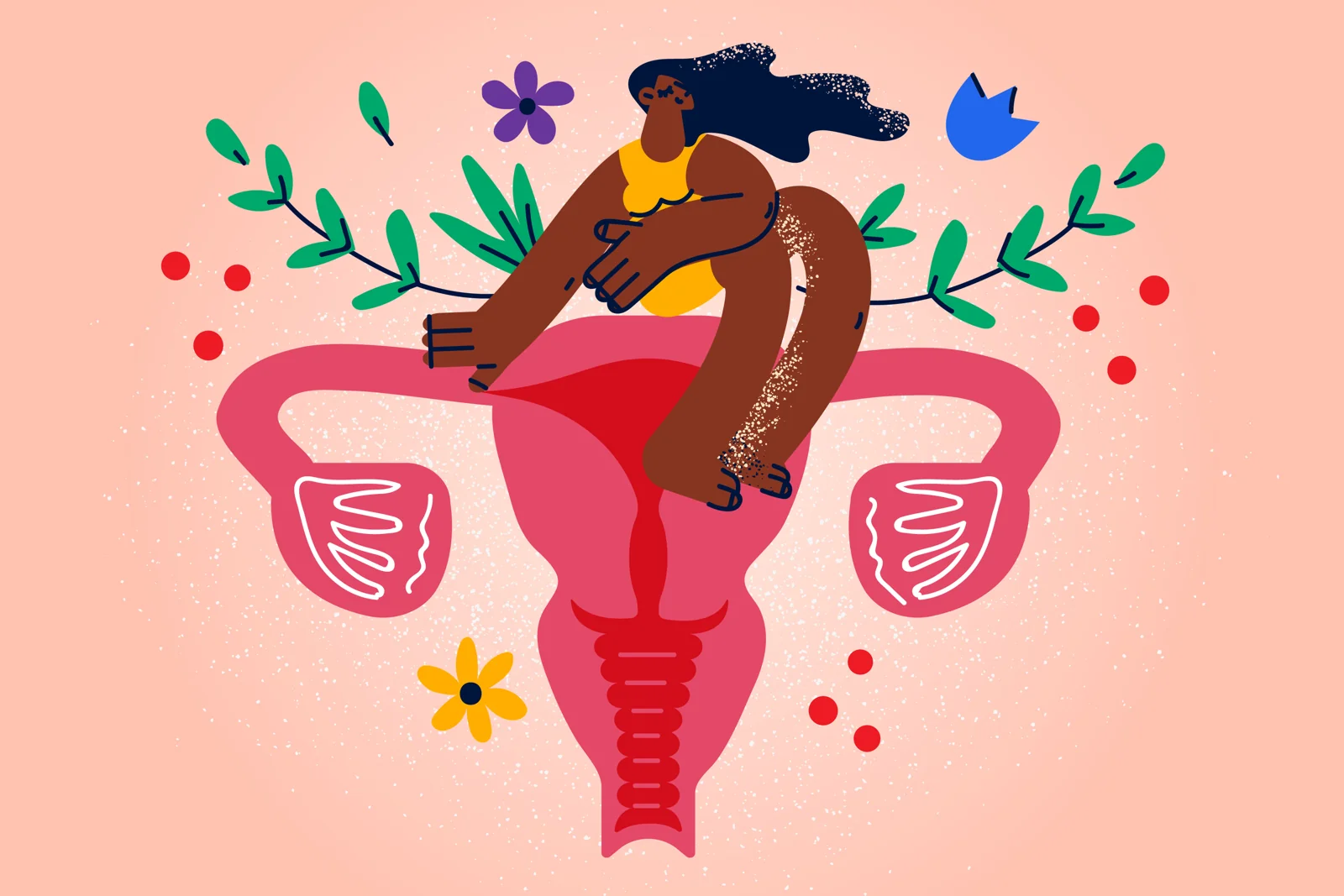
Pelvic floor exercises train muscles involved in supporting the bladder and controlling leakage. Learning the movement matters more than collecting reminders to do it. If you are unsure which muscles you are using, ask your midwife or a pelvic health physiotherapist to help.
Understand the movement
Imagine gently closing around the passages as if preventing wind and urine from escaping, then lifting inward. Keep breathing normally and allow the muscles to relax fully between contractions. A program may include both shorter and longer contractions.
The aim is controlled contraction and release, not a whole body squeeze or repeated straining. A professional can check your technique and help choose a suitable routine.
Do not practice by interrupting urination
The idea of stopping urine is a description to help identify the muscles, not an instruction to repeatedly stop your stream while on the toilet. Practice at another time, in a comfortable position.
If you cannot feel a release, the exercise causes pain, or you are unsure what is moving, seek assessment rather than simply increasing the number of repetitions.
Tell your team about symptoms
Mention leakage, pressure, pain, or difficulty emptying your bladder or bowel. Different problems need different advice. Our guide to painful sex during pregnancy can help if discomfort is part of the picture.
Constipation during pregnancy also deserves attention, since repeated straining adds pressure to the pelvic floor.
Build a routine you can follow
Once you know your technique, connect practice to a regular moment in your day. Ask how often to exercise, how to progress, and when to expect review. Improvements may take time, so a short period without change does not tell the whole story.
If you suspect fluid leaking from the vagina could be your waters, contact maternity care immediately, including at night. Do not assume every leak is urine or try to solve it with more exercises.
References
- NHS: Pelvic floor training for urinary incontinence (opens in a new tab)
- NHS: Pelvic floor exercises and bladder leakage (opens in a new tab)
- NHS: Common health problems in pregnancy (opens in a new tab)
- NICE: Pelvic floor muscle training evidence review (opens in a new tab)
- NHS: Signs that labour has begun (opens in a new tab)

Lifeing Editorial
Stories for a little more understanding, a little more reassurance, and the everyday moments in between.
Related posts

Pelvic girdle pain: Getting Support for Painful Walking and Turning