
Period length: Why Bleeding Days Differ Between People
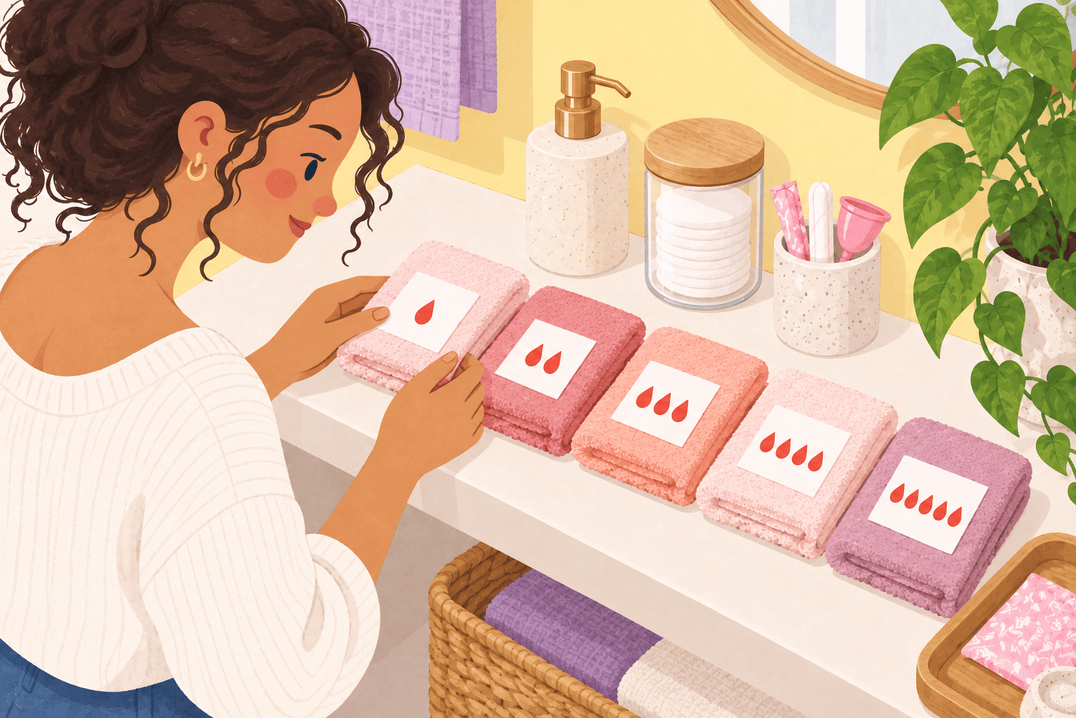
Period length means the number of days you bleed, not the number of days between periods. Some people have a brief bleed; others have several days that taper gradually. A useful record describes duration, flow, and how the bleeding affects you.
Separate the two measurements
A period lasting five days can occur within a cycle lasting 28 days. These are different measurements and neither replaces the other. Periods commonly last two to seven days, often with heavier flow near the beginning.
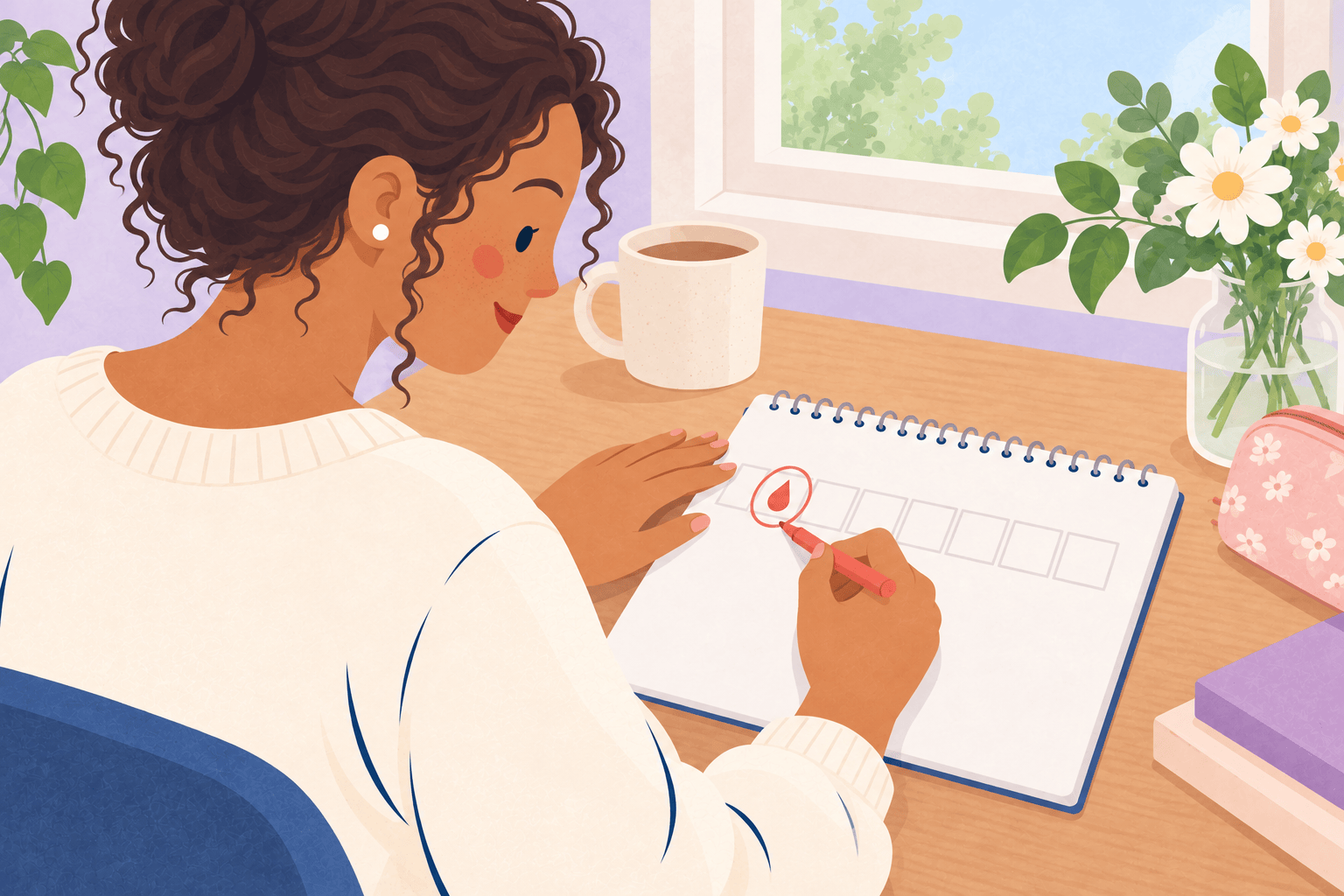
Use counting cycle days if you are unsure which dates to enter. For duration, note both the first and final bleeding day and record light spotting clearly.
Describe the pattern within the bleed
“Two heavy days followed by three light days” is more informative than “five days” alone. Mention leaks, clots, overnight changes, and whether you had to leave a meeting or class to manage the flow.
You do not have to measure the exact volume of blood to explain that your period is difficult. If you changed products because they were uncomfortable rather than full, record that distinction when possible.
Look for changes rather than aiming for a target
A shorter bleed is not automatically better, and a familiar pattern can still deserve help if it disrupts your life. Contraception, life stage, and other health factors may change bleeding. Tell your clinician about anything new rather than assuming duration identifies the cause.
Our guide to heavy periods and blood clots focuses on the practical signs of heavy flow and why they matter.
Know when to book an assessment
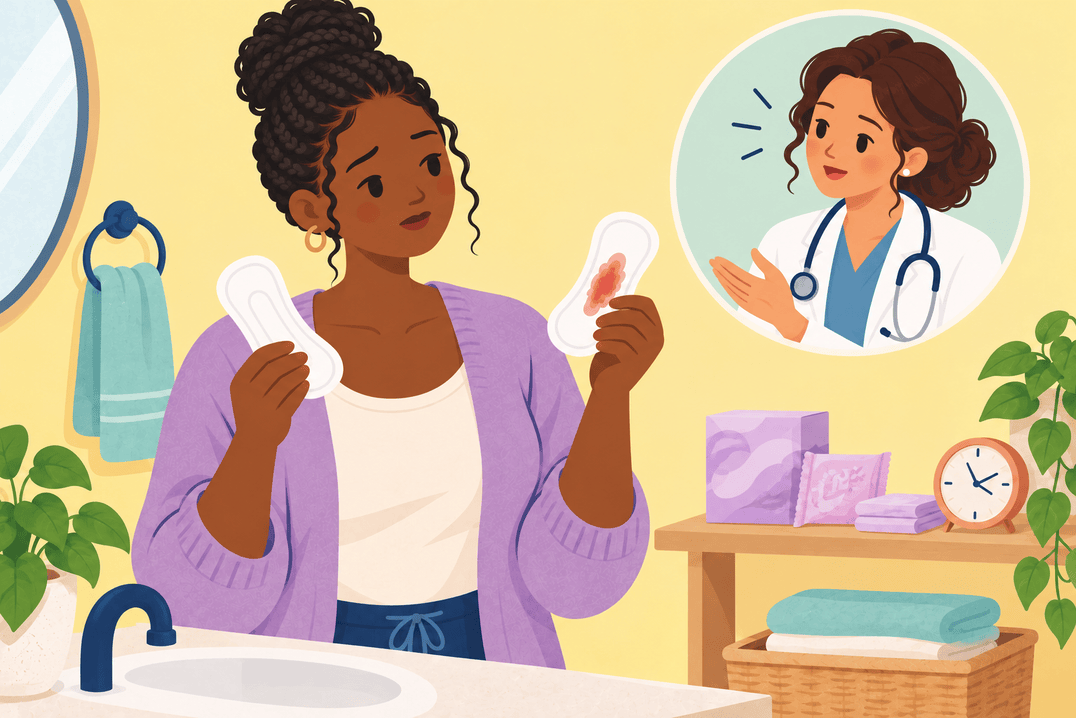
Speak to a healthcare professional if periods last longer than seven days, become substantially different from your usual pattern, or interfere with daily activities. Bleeding between periods or after sex also deserves assessment.
Bring a concise record and explain your priority, such as sleeping through the night or managing work without repeated leaks. The aim of the appointment is to understand the bleeding and discuss suitable support, not simply to make your calendar match someone else’s.
References

Lifeing Editorial
Stories for a little more understanding, a little more reassurance, and the everyday moments in between.
Related posts
Period pain at work: Planning Relief and Asking for Support