
Premenstrual irritability: Planning for Difficult Days

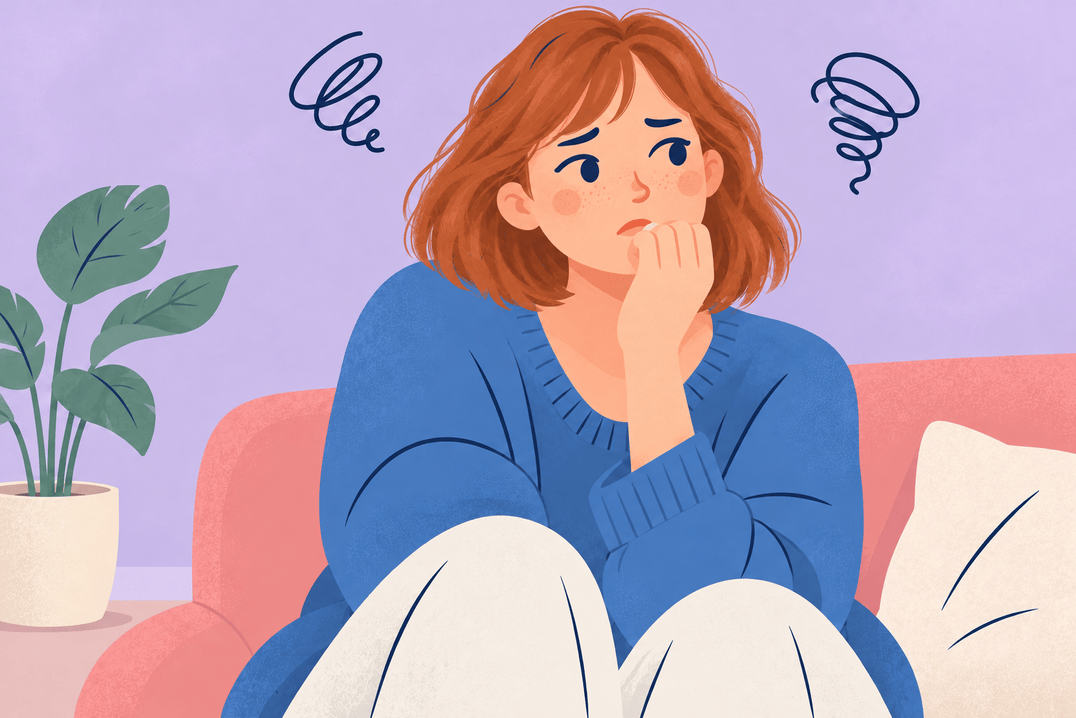
Feeling unusually irritated before a period can make ordinary demands seem harder to handle. The aim of planning is to make difficult moments more manageable while taking your feelings and the people around you seriously. It is not a prediction that every cycle will bring conflict.
Identify an early sign
Think about what you notice before frustration escalates. You might become less patient with noise, find interruptions harder, or feel overwhelmed by several requests at once. Record that observation together with sleep, stress, and menstrual dates.
The mood changes guide explains why notes should include the whole month. Irritability can occur with PMS, but other mental health or life difficulties may also be present. Timing helps assessment without explaining away every problem.
Make a small plan in advance
Choose one response you could use when you notice the early sign. Examples include asking to finish one task before starting another, taking a brief quiet break, or arranging help with a demanding household responsibility.
Keep the plan specific. “Could we discuss this after I have had a break?” is easier to act on than expecting someone else to guess what you need. If you postpone a necessary conversation, agree on a time to return to it.
Discuss patterns without assigning blame
When you feel settled, explain what support would be useful. You can acknowledge the effect of an interaction and still ask for understanding. Menstrual symptoms do not make another person’s harmful behavior acceptable or remove your right to feel safe.
It may help to separate the issue from the moment: the issue could still need attention even if it became harder to discuss that day. If worry and tension are central, read PMS and anxiety for a broader care conversation.
Ask for treatment when planning is insufficient
Arrange professional support if irritability repeatedly damages relationships, disrupts work, or feels difficult to control. A clinician can assess the pattern and discuss PMS treatment options, including psychological support and medicines when appropriate.
Do not wait for a diary to be complete when symptoms are severe. If there is an immediate risk of harming yourself or someone else, seek emergency help. Practical communication strategies belong alongside appropriate care, not in place of it.
References

Lifeing Editorial
Stories for a little more understanding, a little more reassurance, and the everyday moments in between.
Related posts

Premenstrual symptom tracking: What Two Months of Notes Can Reveal