
Separation Anxiety: Making Goodbyes Predictable
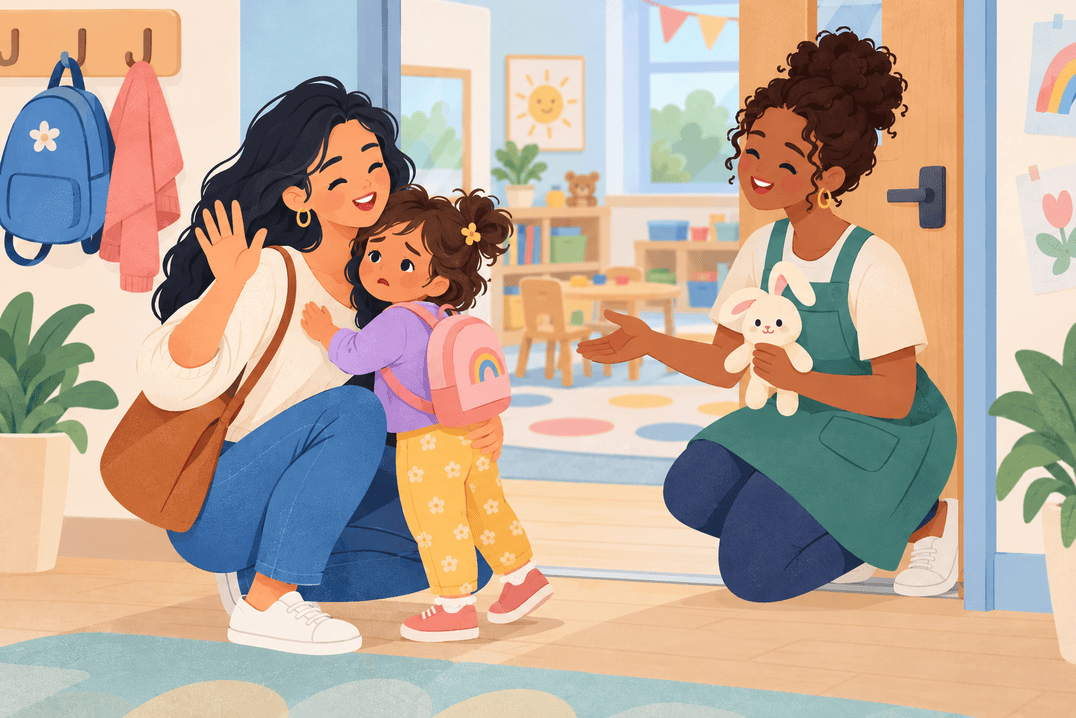
A toddler who was comfortable with a caregiver last month may now cry when you leave. Separation anxiety is common in early childhood and can become more noticeable during change, illness or tiredness. It does not mean affection has made your child too dependent.
A useful plan makes the handover predictable while allowing the adults to notice whether your child actually settles afterward.
Practise with someone familiar
When possible, begin with short periods in a trusted caregiver’s care and build from there. Let the caregiver spend time with your child while you are still present before expecting an unfamiliar person to manage a difficult goodbye alone.
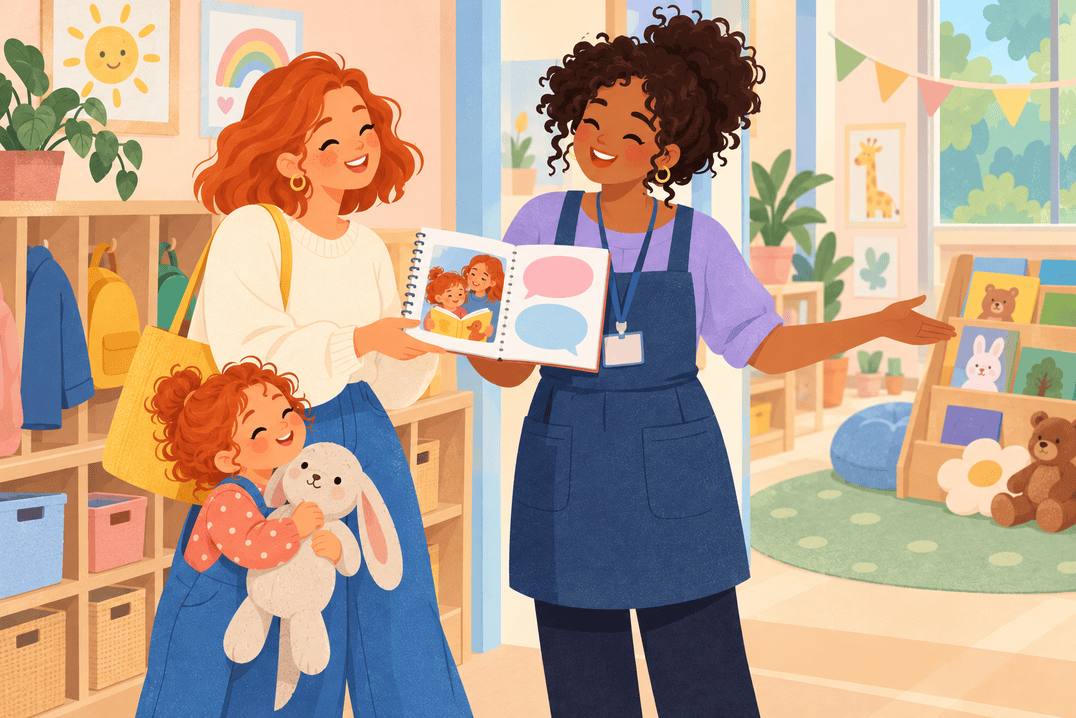
For a new nursery, ask about settling visits and the person who will usually welcome your child. Explain how they show tiredness, what helps them connect and any recent changes at home. A handover plan can fit the family’s actual work and care needs rather than an ideal schedule that is impossible to maintain.
Say what will happen in terms your child understands
Use a short, honest explanation of where you are going and when you will return. A familiar part of the day, such as after lunch, can be easier to understand than a clock time. Only make a promise you expect to keep, and tell the caregiver if arrangements change.
Say goodbye instead of disappearing while your child is distracted. A simple repeated sequence might be a cuddle, a wave and handing over to the caregiver. Try not to restart the whole goodbye several times because you feel unsure.
You can acknowledge the feeling without treating leaving as a threat: “You want me to stay. I am coming back after lunch, and Sam will look after you.” The words can be simple even when the emotions are not.
Agree what happens after you leave
Ask the caregiver how they will comfort your child and when they will update you. Find out whether your child joins play, accepts comfort, drinks and manages the usual activities once the handover is over. Those observations are more informative than a promise that all children stop crying within a few minutes.
If distress continues, review the plan together. This may mean more familiarization, a different handover approach or advice from your health visitor. Consistency does not require ignoring sustained distress or a concern about the care setting.
Keep connection outside the goodbye
Make room for ordinary time together when reunited, without requiring your toddler to report on the day. A shared game or familiar routine can provide connection while you learn more from the caregiver. If communication is limited, language support at nursery can help adults share what works.
Avoid describing your child as a baby for being upset or comparing them with a child who walks in easily. Siblings and friends may need different amounts of support. A recent new baby in the family can also change how departures feel.
Know when to ask for more help
Speak with a health visitor or clinician if distress is intense, lasts a long time after you leave, continues over several weeks or interferes with daily activities. Ask sooner for a sudden major change or a concern about safety. Do not assume every fear is ordinary separation anxiety without listening to what has changed.
If the difficulty mainly appears at night, the bedtime separation guide considers reassurance and sleep routines. The aim is a workable relationship with caregivers and a child who can access comfort, not a deadline for never crying at goodbye.
References

Lifeing Editorial
Stories for a little more understanding, a little more reassurance, and the everyday moments in between.
Related posts
Separation anxiety at bedtime: Offering Reassurance With Consistency