
Swollen feet during pregnancy: When Swelling Needs Urgent Attention

Gradual swelling around the feet and ankles can be uncomfortable during pregnancy, particularly later in the day or in hot weather. Pregnancy can increase fluid retention, and the growing uterus can affect circulation in the legs. The pattern matters more than whether swelling is common.
Check for sudden changes
Contact your maternity team immediately if swelling increases suddenly in your face, hands, or feet. A severe headache, visual changes, pain under the ribs, vomiting, or feeling very unwell also needs immediate assessment.
These can be signs of preeclampsia. Our preeclampsia guide explains why new symptoms matter even if earlier appointments were reassuring.
Notice when one leg is different
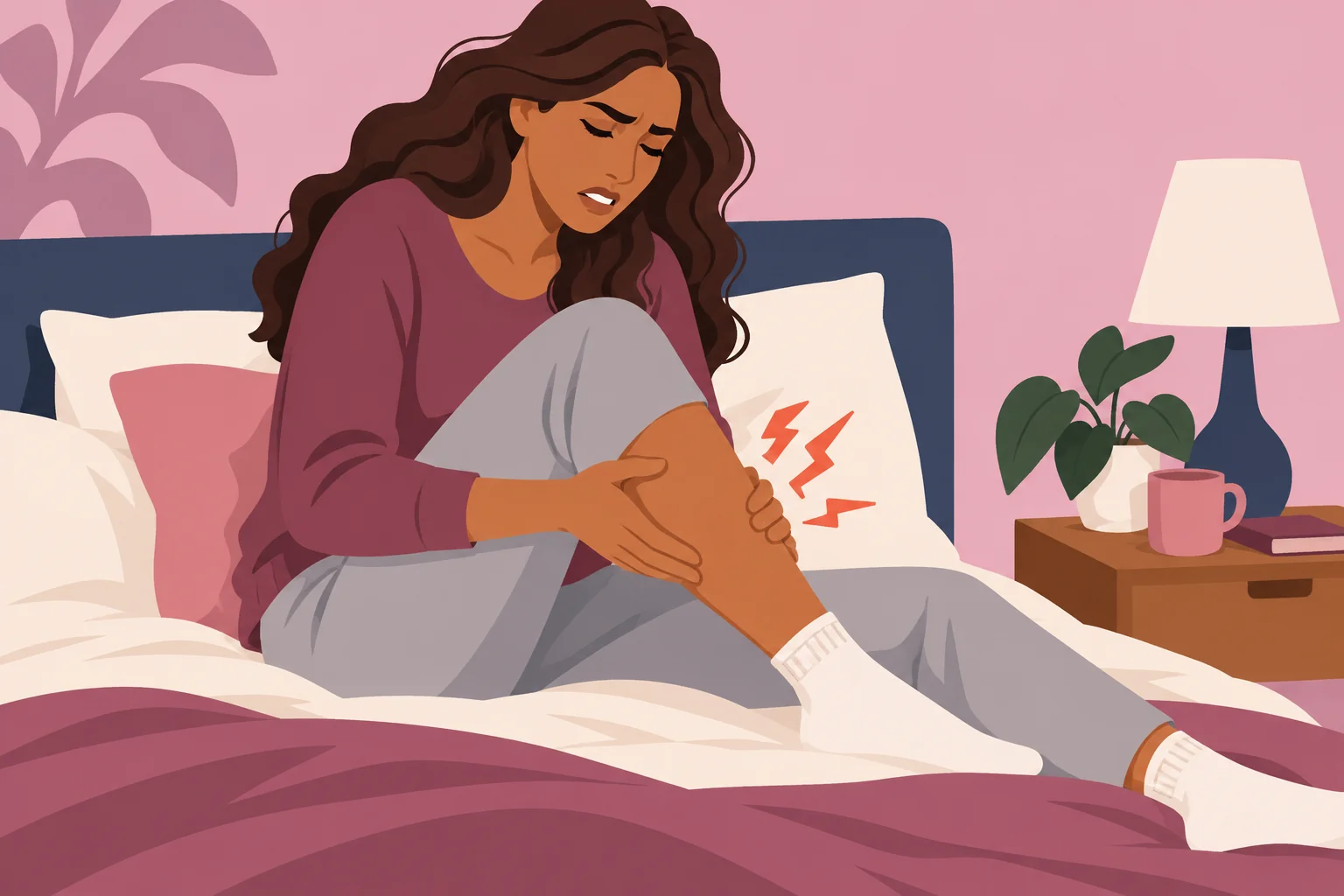
Swelling or pain mainly in one leg, warmth, tenderness or a color change needs immediate medical advice about a possible blood clot. Do not wait for every sign to appear or spend time trying home treatments before calling.
If those symptoms occur with shortness of breath or chest pain, call your local emergency service. The guide to leg cramps and other leg symptoms explains why a persistent problem should not be assumed to be a cramp.
Make gradual swelling more comfortable
After concerning symptoms have been ruled out, resting with your feet up, avoiding long periods standing, and wearing comfortable shoes may help. Gentle walks or ankle movements can support circulation when appropriate for your pregnancy.
Avoid socks or straps that dig into swollen skin. If your work requires standing, ask about opportunities to sit or change position.
Ask before using a treatment
Do not take medicines or supplements to remove fluid without clinical advice. If swelling is painful, persistent, or limiting movement, discuss it even when it developed gradually.
Tell your clinician when it started, whether both feet are affected, and what changes it. Those details help turn a broad complaint of swelling into a useful assessment.
References

Lifeing Editorial
Stories for a little more understanding, a little more reassurance, and the everyday moments in between.
Related posts

Tailbone pain while pregnant: Adjusting Sitting and Daily Activities