
Tailbone pain while pregnant: Adjusting Sitting and Daily Activities
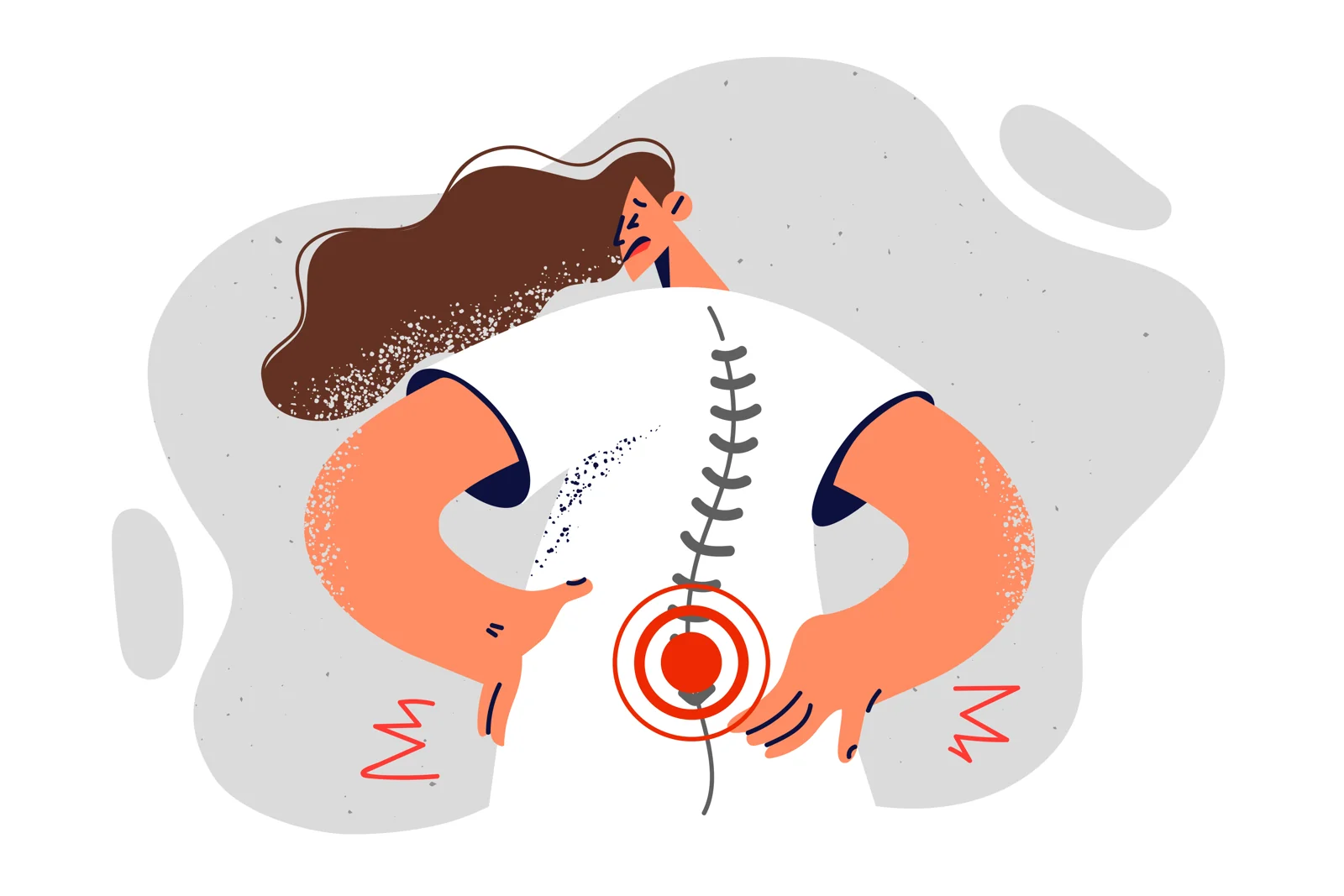
Tailbone pain is discomfort at the base of the spine, near the top of the buttocks. Sitting down, rising from a chair, or having a bowel movement may make it worse. Pregnancy can be one contributing factor, but an injury or another cause may need consideration.
Reduce pressure during sitting
Support your lower back and change position instead of remaining seated for long stretches. A cushion designed to reduce pressure on the coccyx may help; ask a clinician or physiotherapist about a suitable shape and fit.
Think about the seat you use most often, whether that is at work, in a car, or at the kitchen table. One useful adjustment there may matter more than occasionally resting on the sofa.
Mention bowel discomfort too
If pain makes you avoid opening your bowels, tell your clinician. Straining and hard stools can add another problem to manage. The guide to constipation during pregnancy explains questions about fluids, fibre, and suitable treatment.
Do not start a laxative or pain medicine solely from general tailbone advice without checking pregnancy suitability. Some medicines suggested for adults outside pregnancy are not appropriate during pregnancy.
Ask about movement and physiotherapy
A physiotherapist can help assess the pain and suggest ways to sit, stand, and move more comfortably. Explain which activity you need help with and whether the pain follows a fall or other injury.
If discomfort extends into the lower back or pelvis, our pregnancy back pain article can help you describe the additional symptoms.
Arrange review when daily life is affected
Seek assessment if pain is persistent, worsening, or limiting sleep and ordinary tasks. Fever with tailbone and abdominal or back pain needs prompt medical advice. New numbness around the genitals or bottom, difficulty starting urination, inability to pass urine, or new loss of bladder or bowel control requires emergency assessment. Go to an emergency department or call your local emergency number rather than waiting for a routine appointment.
Before leaving an appointment, ask what to do if the comfort measures do not help and when your symptoms should be reviewed.
References

Lifeing Editorial
Stories for a little more understanding, a little more reassurance, and the everyday moments in between.
Related posts
Taking a break from trying: Discussing Emotional and Treatment Priorities