
Toddler Biting: Caring for the Injury and Preventing Another Bite
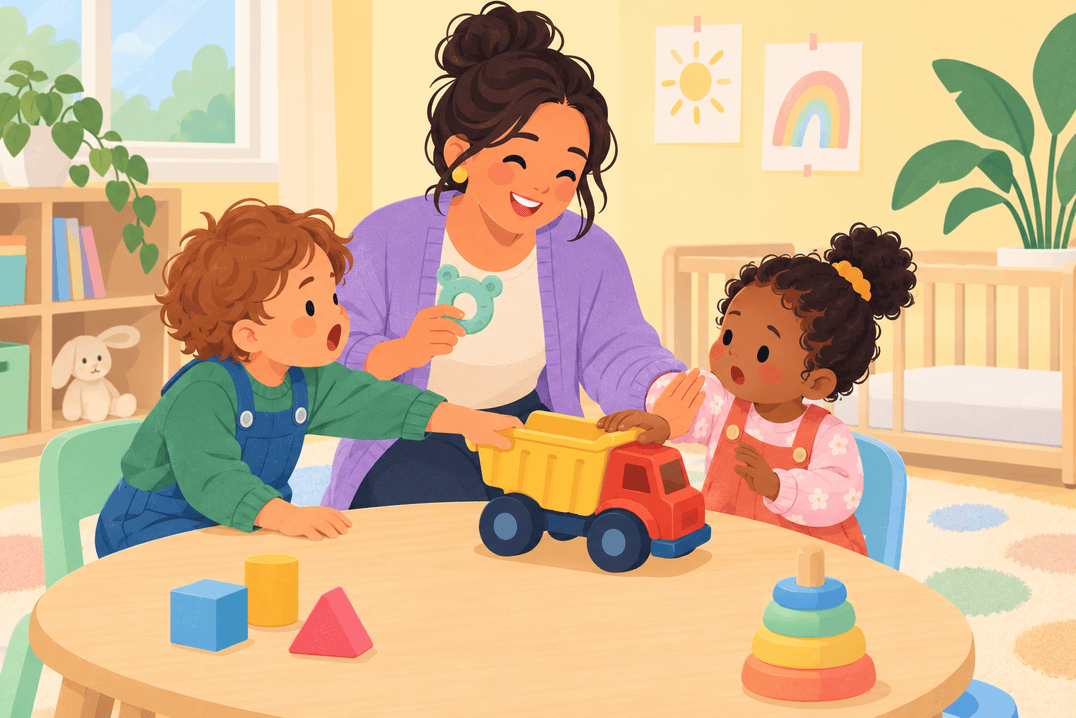
When a toddler bites, there are two tasks: care for the person who was bitten and work out how to prevent another incident. A calm response can be firm. Biting is not acceptable, and the child still needs adults to teach another way of responding.
Separate and check the injury
Stop the biting and give the children space, with adult supervision for both. Say briefly that biting hurts and must stop. Focus first on the injured person rather than starting a long discussion with the child who bit.
If a human bite has broken the skin, seek prompt medical advice, even when the wound looks small. Wash it with soap and warm water, pat dry and cover with a clean dressing. A large or deep wound, or bleeding that will not stop with firm pressure from a clean cloth, needs emergency care.
Increasing warmth, swelling, pain, spreading color change, discharge or fever needs urgent reassessment. Redness may be harder to see on darker skin. A clinician can assess infection risk, vaccination history and whether treatment is needed. Do not use leftover antibiotics or decide that a small tooth mark cannot become infected.
Do not bite back or label the child
Avoid biting your toddler to show how it feels. Do not shame them in front of other children or repeatedly call them a biter. Keep the message about the behavior: you will stop biting and help everyone stay safe.
Once the immediate situation is calm, help the children move on. An apology that a toddler repeats on command is not a complete prevention plan. The child who was hurt should not have to accept a hug or immediately play together again.
Notice the situations that lead to biting
Biting can occur with frustration, excitement, crowding, fatigue or a wish to chew. Do not assume the reason from one event. Note what happened before, who was nearby and whether a toy, transition or noisy space was involved.
At nursery, ask staff to describe the pattern and agree a response. You do not need another child’s private details to develop a plan for yours. Consider what is different during sessions that go well, such as more space or an adult nearby before a dispute begins.
Teach an alternative your child can use
Practise a short word or gesture for “stop,” “help” or “my turn” while your child is calm. Step in early when you see the situation becoming difficult. Waiting for a child with limited communication to explain a complex feeling may miss the chance to prevent a bite.
The sharing guide offers manageable ways to practise waiting. If chewing seems linked to sore gums, use an appropriate supervised teething toy. Do not offer hard food as a chewing treatment or assume teething explains every bite.
Review whether the plan is helping
Keep the response similar across caregivers and look for small improvements, such as asking for help before reaching another child’s arm. An isolated good day does not mean supervision is no longer needed.
Ask your health visitor or clinician for help when biting repeatedly injures people, continues despite a consistent plan or affects attendance and play. The hitting and unsafe play guide describes broader reasons to seek support. You can ask earlier if you feel unable to keep everyone safe.
References
- ZERO TO THREE: Responding to toddler biting (opens in a new tab)
- NHS Just One Norfolk: Behavior troubleshooting (opens in a new tab)
- NHS: Animal and human bites (opens in a new tab)
- American Academy of Pediatrics: Preventing aggressive behavior in young children (opens in a new tab)
- NHS: Temper tantrums (opens in a new tab)

Lifeing Editorial
Stories for a little more understanding, a little more reassurance, and the everyday moments in between.
Related posts
Toddler Diarrhea: When a Persistent Pattern Needs Review