
Potty Training Readiness: Building Skills Before Choosing a Date
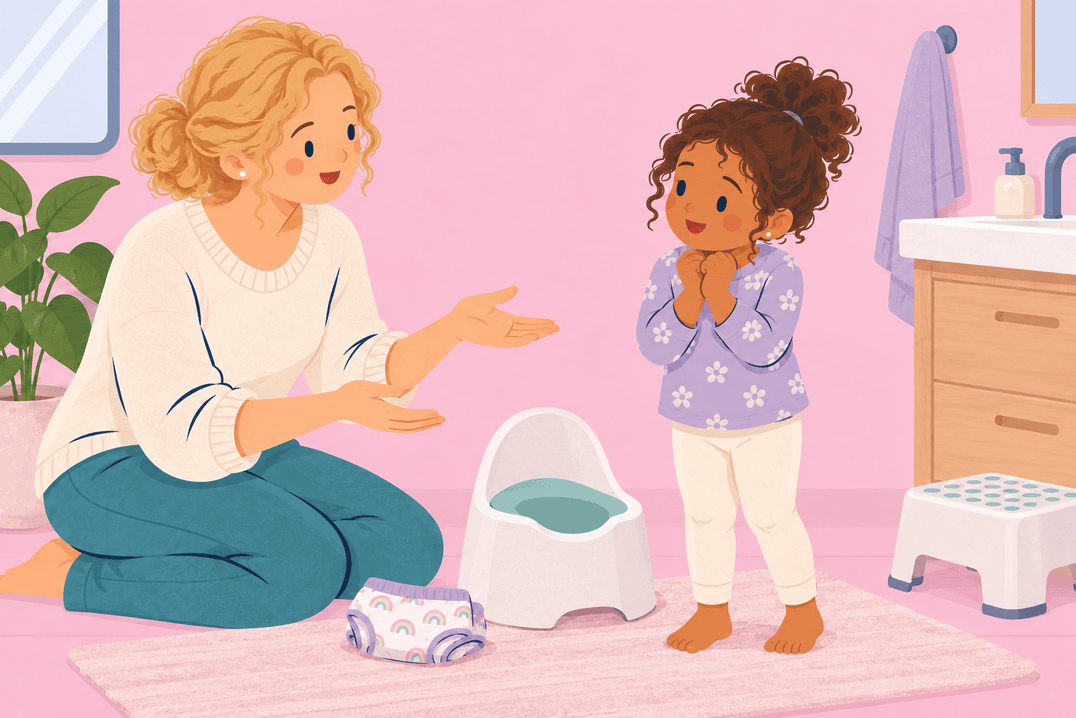
Potty training involves several skills: getting to a place to pee or poop, sitting securely, managing clothing and gradually recognizing body signals. Your child does not need to master every step independently before you begin teaching. Preparation gives them opportunities to learn with your help.
A child who has not asked for the potty is not automatically unable to start. Choose an approach that includes support for their actual abilities rather than waiting for a perfect checklist.
Separate preparation from removing diapers
You can introduce simple toilet words, look at a potty book together or let a toy demonstrate the routine while your child still wears diapers. Brief comfortable practice can make the equipment familiar before you change the daytime routine.
Current UK guidance encourages starting potty training in the period from around eighteen months to two and a half years, while recognizing individual learning needs. This is not a deadline for independent toileting or a reason to shame an older child. Ask your health visitor how to adapt the plan if your child needs more support.
Look at what help each step requires
Notice whether your child can sit safely with suitable support and how they communicate a need. They might point, use a sign or bring an adult over rather than use a sentence. Consider whether clothing is manageable and whether the bathroom is accessible.
These observations help you plan assistance. They are not a pass or fail examination. A child with additional needs may not show the usual signs of awareness and can still benefit from an individually planned toileting routine.
If sitting or moving on and off a seat is difficult, seek advice about positioning or equipment. The potty and toilet seat guide explains the basic comfort checks.
Address painful bowel movements first
Hard stools, pain, stool holding or repeated soiling deserve attention before removing diapers. A child who expects pain may resist the bathroom even when other skills are developing. Talk to the clinician or health visitor about suspected constipation and follow the treatment plan.
Do not treat reluctance as a problem that stronger rewards will solve. Comfortable bowel movements and a secure seat matter more than a target date. Our potty refusal guide covers other reasons practice can become distressing.
Choose a workable period for practice
Look for a stretch of days when caregivers can offer consistent help without a major change happening at the same time. Perfect calm is not necessary, but starting during an acute illness or an especially disruptive week can make learning harder.
Discuss the plan with nursery or another caregiver. Explain the words and help your child uses, and arrange spare clothing. The starting routine gives the next practical steps once preparation and health needs have been considered.
Ask for advice rather than waiting indefinitely
If progress is difficult, you can seek help at any point. Ask what skill to practise next and whether a continence, developmental or occupational therapy assessment would help. Report lost skills or other developmental concerns rather than assuming toileting alone explains them.
Nighttime dryness develops separately from daytime practice. Keeping a diaper for sleep does not cancel the skills your child is learning while awake.
References

Lifeing Editorial
Stories for a little more understanding, a little more reassurance, and the everyday moments in between.
Related posts

Potty Training Regression: Looking for Health and Routine Changes